Speaker 1 0:01
For coming up on today’s show, we’re going to celebrate the changing of the seasons and make sure that you don’t get left out in the cold. Don’t miss our special seasonal tips that you need to know for maximum financial success, from the sunny start of spring to the freezing chill of winter. That and more today on Retire Smart Maryland Radio.
Speaker 2 0:25
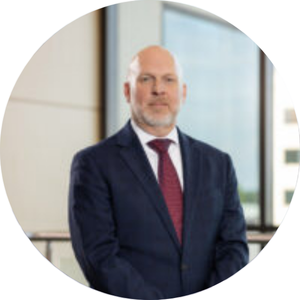
Welcome in to Retire Smart Maryland Radio with Prashant Sabapathi. Welcome into Retire Smart Maryland Radio, your host Prashant Sabapathi. You can find him at Elite Income Advisors, headquartered Ellicott City satellite office in Annapolis. Prashant is an independent fiduciary, published author, couple of books already to his credit, fiscal health, retirement, wealth, and retire abundantly. I’m Morgan Patrick, and each and every week, it’s always the importance. The discussion is about the importance of having that retirement plan that’ll get you to and through retirement. And before we jump in on the changing seasons and how it relates to retirement planning, Prashant, how was your week?
Speaker 1 1:07
Hey Morgan, good to be with you here. Week’s been excellent, you know, as always, we’re staying busier than ever, especially when you head into the fourth quarter of the year, especially in a year like this year where it’s election season, you got a lot of earnings getting ready to come out in the stock market, and people are getting ready for year end, which means we’re diving back into financial planning and retirement planning. So, our office has been busier than ever, we’ve actually added some new staff, really proud to have hired three new team members here just in the last couple of weeks, and so with all the business we’ve been taking on, with all the clients we’ve been able to help retire, it’s kind of cool to see our firm grow at the same time. So that is a testament to all the hard work we’re doing, and a lot of the trust that our clients have been putting in us. So we really appreciate that. All
Speaker 2 2:01
right, Elite Income Advisors adding to their staff to support the community that is all everybody’s concerned about retirement planning, and again, that’s what we talk about each and every week. We give you an opportunity to get on the calendar with Elite Income Advisors. The appointments we do open up during the course of this show for our radio listeners, are complimentary, that means you leave the checkbook at home, and, as Prashant likes to say, every single week, just because you commit to an appointment doesn’t mean you are locked into being a client. I mean, this is a get to know you type situation. We’ll tell you more about those appointments as we move through. So, it’s such a glorious time of the year right now, you go to your favorite coffee shop, everyone’s getting the pumpkin spice lattes, and one source told me that Prashant may actually have one with him right now. We’re in a separate studio, but I heard a pretty good rumor that he was on a coffee run. But anyway, that the bottom line is, I mean, you go anywhere, I mean, grocery stores, pumpkin pies, there’s all the, all the displays are out for fall, and we’re going to get into the seasons. We’re going to go back in time, though. Let’s start with spring, and when you think about retirement planning and talk about the parallels of planting the seeds of savings in the in that spring time of the year.
Speaker 1 3:18
Yeah, absolutely, you want to plant your seeds in the most fertile environment that we can, and that’s in pursuit of having a really nice, bountiful harvest later. And so, a couple key tips here. Number one, begin saving early. Okay, just as spring is the time to plant seeds for the future, the early stages of your career are the best times for you to start your savings journey now. For most of our clients, they’ve been saving for a long period of time, and so they started that process very early in their career. Number two is establish financial discipline. You want to develop good habits, Morgan, and to me that means things like developing a spending plan, saving a portion of your income systematically, so that you don’t have to think about it, and number three is avoiding unnecessary debt. I think that is all what goes into planting the seeds as soon as possible in the springtime of your retirement journey.
Speaker 2 4:14
So, important to just be on top of things. We’re having some fun talking retirement as it, as it relates to the season, so spring, the planting the seeds of savings, and then summer. If you’re planting a garden, summer is when you’re going to reap the benefits, right. Well, that’s exactly what we’re talking about. Summer, you nurture the growth, you maximize your contributions.
Speaker 1 4:35
Yeah, and that’s because summer’s warmth accelerates the growth in nature, and similarly maximizing your contributions and investing wisely accelerates the growth, potentially, of your retirement nest egg. So, a couple key points here. Number one, we kind of mentioned it: maximize those retirement contributions by putting money away into things like your 401k your IRA, your TSP. During your peak earning years, if you’re over the age of 50, look into the catch-up contribution, where you can save a little bit more money, and the second key point here, as I see it, is you want to invest for growth when you’re in the prime of your career, and that could be considering more of an aggressive investment strategy with more of a higher allocation to things like stocks and equities to maximize that growth potential, but you should only do that, in my opinion, so long as you have the time that it takes to recover through the ups and the downs of the market, and that leads to the third point here, which is diversification, you want to diversify your investments so that you can weather the ups and the downs of the market.
Speaker 2 5:45
We are hitting the seasons, we have spring in the books, summer has come and gone, and now we sit solidly in fall, and that’s all about harvesting. Prashant,
Speaker 1 5:55
yeah, and this is really preparing for the transition into winter, right? Get your portfolio as set as it can be with pre-retirement planning strategies, and that’s going to be reviewing and adjusting your portfolio to be more in line with the risk capacity you need to be at heading into retirement. Consider harvesting some of your investment gains, that could be locking in your gains from higher risk investments and moving those into lower risk income generating investments and instruments, and then put together a detailed retirement plan, plan for your income needs. I mean, we talk about it on every single show, the importance of having a paycheck in retirement. That paycheck should be coming to you on a guaranteed basis, in my opinion, from your retirement accounts, make sure you’re accounting for health care costs, lifestyle changes, you want to evaluate pensions, social securities, and other sources of income along the way.
Speaker 2 6:53
We are hitting the seasons as it parallels with retirement planning, spring, the planting of the seed of the savings, the summer, the nurturing, the growth, maximizing your contributions, the fall, harvesting gains, preparing for the transition, and that transition is into the winter, which is our next season, our final season, enjoying retirement, and also managing your retirement.
Speaker 1 7:15
Yeah, because winter, you know, ultimately it’s holiday season, it’s a time of rest, it’s a time of enjoying the warmth of what you’ve stored, so to speak, right. And that’s no different when you get to the winter of your retirement, which will be the income phase of your retirement, where you’re getting to enjoy all of your life’s work, getting to enjoy your retirement savings, but it comes back to developing a sustainable withdrawal strategy, keyword there is sustainable, making sure that you’re always going to have a paycheck, so that you never run out of money. You want to consider things like RMDs, required minimum distributions, and certainly the tax implications of your savings. You may look at the idea of securing your income, planning for healthcare, and certainly long-term care, and so that’s why we draw these parallels. Your career is like progressing through the spring, the summer, the fall, and the winter seasons. You want to make sure that you’re prepared at every point in time, regardless of where you are in your retirement planning journey, whether you’re in the spring or maybe you’re already in the winter of your retirement, there’s always an opportunity to potentially improve. We’re going to open up our phone lines here, it’s 800-653-8404 Like we said at the start of the show, when you dial that number, you’ll be able to schedule a complimentary visit with our team of specialists at Elite Income Advisors. You come in to visit with us. It’s an opportunity for you to get to know us and for us to get to know you. We’ll help you optimize your retirement plan, help you coordinate social security benefits, truly understand the tax implications of your retirement savings, and even talk about ways to create a more secure paycheck
Speaker 2 9:00
in your retirement starts with that phone call. Totally free appointment to come in and visit to review your retirement plan today. 800-653-8404 When we return on Retire Smart Maryland Radio, it’s a love letter with some very important advice to the generation that is critically behind when it comes to retirement planning. You don’t want to miss it. We are back on Retire Smart Maryland Radio, hosted by Prashant Sabapathi. Check them out: Elite Income Advisors online, easy to remember website, and it’s a great resource, Elite Income advisors.com that’s Elite Income advisors.com Prashant is an independent fiduciary, published author, fiscal health, retirement, wealth, and a second book, Retire Abundantly. It’s all about getting you ready for your post season, and again, two office locations headquartered. In Ellicott City, also a satellite office in Annapolis. For you, I’m Morgan Patrick. And here we go. We’re about to write a love letter to our listeners, that’s you. And again, we’re talking to the Gen Xers. Now, I know, I know what you’re saying. We talk a lot about the baby boomers, so we’re gonna, you know, put the baby boomers a little bit on the shelf. We talk about them all the time, because they’re getting into retirement right now. Now, Gen Xers, they’re approaching it, so we love everybody, but we want to specifically go with the unique challenges of the Gen Xers. So, here’s the deal, Gen X audience is generally behind when it comes to saving because of recessions, other things going on, maybe the parents have moved back in with them, maybe they have older children that are now back home with them, or they never left. Now we’re going to talk about catching up, what you can do. So pay attention, and if you have any questions, obviously we’re here for you as well. But what about success? Now you want to have success late in life, so these are things you can be doing, things you need to include. So here’s your love letter, maximizing retirement contributions. Now it’s very important for Gen Xers to kind of wake up and get this done. Prashant,
Speaker 1 11:08
yeah, especially because when you reach age 50 years old or older, you now have access to what’s called the catch-up contribution, and the catch-up contribution allows you to put additional savings into things like your 401 k and your IRAs beyond the standard limits. Okay, and so that’s one option. And number two, if you’re not maxing out your 401 k or your tsp, you want to increase those contributions either to your Roth or your traditional retirement accounts. That’s going to allow you to save more of a nest egg, so that you can have the ability to create a higher income when you get to retirement. The thing I love about the 401 k and the Roth 401 k and the tsp is that we can automate this process, right, like we can take all of the thinking out of it simply by increasing the percentage that you’re putting in to your retirement account, so maximizing your retirement contributions, huge part of the planning process and the accumulation process as you head for the retirement phase of your life.
Speaker 2 12:15
Yeah, there’s a lot going on in your life, and you need to make sure you’re including a lot of this as you are approaching your retirement, so you want to set yourself up for success, so max your retirement contributions. How important is this next one, Prashant? We talk about it all the time, the high interest debt is bad, but you need to reduce your debt overall.
Speaker 1 12:34
Yeah, I’d say this has to be a priority. Okay, you want to prioritize the elimination of things like credit card balances and personal loans, so that you can free up your income for savings. Okay, and then secondly, let’s look at refinancing mortgages. Now, obviously, in the last couple years here, as interest rates have gone up, refinancing your mortgage might not have been a great idea, but I think one thing that we’re going to see here over the next couple of years is we’re going to see rates start to cut, hopefully, and as those rates start to go back down, especially if you bought a new house in the last 18 months, here you may have a great opportunity to refinance your high interest rate mortgage back to something a lot more reasonable now, will we ever get back to the rates of 2020 and 2021 I’m not so sure that we will, Morgan, but if we do have an opportunity to refinance our mortgage, that could allow us to pay less interest over the life of the loan, and more importantly, control our payments as we head for the retirement phase of our lifetime.
Speaker 2 13:40
Many, many moons from now, Prashant, you’ll be able to tell the little ones, oh, I remember when we had the interest rates down below three, and they’re gonna be like, you’re, you’re, you’re out of your mind, but it is true, I mean, yeah, right, we may never see those numbers again, you want to set yourself up for success in your post season, and again, the landscape, when you get there, it’s going to be different, but you need to be on top of these things, so again, maxing your contributions to your retirement accounts, reducing that high interest debt, or getting rid of it altogether. And then, what about just being able? I got open-minded, if you need to pivot, you can, and that would be adjusting your investment strategies when you need to.
Speaker 1 14:22
Yeah, I think there’s two things that go into this. Number one is rebalancing your portfolio in such a way that is consistent with your retirement timeline. Of course, if we’re talking about Gen Xers, we’re talking about people born between 1965 and 1980 and so as we near retirement, when we’re in the last, say, 10 years before we get to retirement, shifting your asset allocation to include both a mix of stocks and bonds, and maybe even safer instruments like treasuries, annuities, CDs, could be a great way to align with your financial risk capacity and that retirement. And timeline, and a thing that goes on top of this is seeking professional advice. I’d say the impact of mistakes and the impact of losses get magnified the closer you are to retirement. So, consulting with the fiduciary to help optimize your investment strategy and your retirement plan and tax plan as a whole could be a critical part of making sure that you’re not just on track, but staying on track the closer you get to that retirement age.
Speaker 2 15:27
Retire Smart Maryland Radio, hosted by Prashant Sabapathi. I’m Morgan Patrick. We go back and forth on so many different topics. They’re always related to the importance of having that plan, and we’re focusing in, dialing in on Gen Xers, because we do tend to dwell on the boomer, because you guys are headed into retirement right now, but the Gen Xs are on their way, and if you’re in this category, you need to listen up, you need to set yourself up for success. So, max your contribution to your retirement accounts, do that now, reduce your debt as much as you possibly can as you head towards retirement. Your investment strategies need to be adjustable, need to have that communication with your advisor, and then what about delaying retirement? There are a lot of people there, there are two sides to this coin, Prashant, delaying your retirement because you enjoy your work, delaying your retirement because you can pad your accounts.
Speaker 1 16:16
Yeah, that’s exactly right, it’s all about growing the nest egg to the highest possible number that you reasonably can, so that you have the means to create the paycheck that you need to create when you get to retirement. Listen, folks, I think a lot of people can probably relate to what I’m about to say. Is that while you’re working, your financial life just comes down to what I call money in and money out, right? It’s paychecks coming in, it’s expenses going out, and you try your best to save, save, save as much money as you possibly can to get to retirement. Now, when you actually get to retirement, that ideology does not change. It’s still very much so about money in and money out, but what changes is where the money in comes from. If it’s not coming from your paycheck, it’s got to come from somewhere else, and the way to increase the amount of income you have in retirement is to simply increase the nest egg, right? And so one way to do that is to either work longer to save more money or gain part-time employment, even into retirement, and hopefully, if you’re working part-time in retirement, you’re doing something that you actually want to do, whether it’s working at the golf course, being a starter or a bag drop person, so that you get some free golf in there while you’re earning a little bit of money on the side. I have a great client who went to go work at the grocery store, just shocked stocking shelves, so that he could remain active and keep his muscles at work while he was retiring and still earning a little bit of a paycheck along the way, so a lot of different options there, but remember what it comes back to, it’s all about the income when you get to retirement.
Speaker 2 17:50
So important to have, you know, all the i’s dotted, t’s crossed, your categories covered. You know, I’ve used the analogy of the puzzle so many times because it’s, it kind of paints that picture for you, you’ve got different pieces that are going to make that puzzle complete for you, and everybody’s different, so you’ve got that unique puzzle. Make sure you’re putting it all together. And we’re specifically aiming at Gen Xers in this segment of the show. This next one, again, talking about things you can do to set yourself up for success, and you’re going to do this well before you get to retirement, so you’re maxing your contributions, reducing your debt, adjusting your strategies as far as investment. Maybe you delay the retirement. There are many things you could do there, part-time, maybe even just stay at work because you enjoy it, but it’ll also enhance your accounts. Now, developing, developing a spending plan, but also taking a look at your overall expenses. That’s the next
Speaker 1 18:40
one, and this piggybacks right on what we were talking about, because it’s all about money in and money out. You have to understand both sides of that equation. Okay, so understanding the first side, where’s my money in going to come from, whether it’s social security or pension or your retirement savings, but equally as important is understanding what your money out needs to look like, okay, and so start to map that out, and ideally you want to start to map that out five five to 10 years before you retire. Start to project what you want your life to look like, and more importantly, what that needs to look like after taxes in today’s dollars. And then all you’re going to do is figure out whether the money in matches the money out. I’ll give you an example. I was meeting with a radio listener just a couple weeks ago, and they came in and they asked me, I don’t know when I can retire. This is one of my biggest concerns, and I said, you can retire when you’re certain that your money in exceeds your money out, and that it will stay that way for the rest of your life. And so one thing we helped them do is we helped them put together an actual spending plan, and what we found is that they were going to need $8,000 a month after taxes in today’s dollars to retire comfortably for the rest of their life. Now, once we totaled up all their sources of money in or income. Them, what we found is they only had about $5,500 a month coming in on a certain guaranteed basis, and so they had a gap in their retirement income of $2,500 a month. Now, luckily, they had done a really good job saving money, they had about a million and a half dollars, and we were able to show them how we can use about, you know, 600 $650,000 of their money to close that gap in their income, and with the stroke of a pen, because we built that additional income into their retirement plan, they had all the certainty that they needed to be able to actually retire at that point in time, and they felt comfortable and confident about it, Morgan. So I think that is what it comes down to when we’re talking about money in, money out. Project out your income, project out your expenses, figure out if you have a gap in your income, and if you do, let’s figure out together how we’re going to solve that. And, Morgan, real quick, before we go into the next one, I know we’re up against a break here in a minute. Maybe on the other side of the break, one thing I’d like to talk about, just as it relates to Gen X, is something that I’m going to call the great wealth transfer, right, because you know, you know, we’re in a studio here, but we talk and we have show notes and everything, but one thing we didn’t talk about in our show notes is Gen Xers are going to be the beneficiary of all the money that has been saved by baby boomers, right, and the number, the projection is that 30 trillion, that’s $30 trillion with a T, will be transferred to Gen X through 2045 okay, through the year 2045 and so when you inherit this money, you have to have a plan for what you’re going to do about it. We’ll talk about this on the other side of the break, but let’s open up our phone lines here. 800-653-8404 that’s 800-653-8404 If you’re not sure whether you’re maximizing your retirement contributions, if you’re not sure of a debt payoff plan, or whether delaying retirement could be beneficial to you, or whether or not you even need to do that. Great opportunity for you to pick up the phone, give us a call, set up that complimentary visit with our team at Elite Income Advisors. We’re located in Ellicott City, have an auxiliary office in Annapolis, Maryland. You can also book a virtual consultation with us, that is totally free of cost, we’re going to help you coordinate your social security, talk about income taxes and inflation in retirement, and most importantly, help you map out your money in
Speaker 2 22:30
and money out. Starts with that phone call, folks, it’s 800-653-8404 When we get back on Retire Smart Maryland Radio, we’re going to continue that pointed discussion at Gen Xers, and we’ll talk about the great wealth transfer that Prashant is referring to. We’ll explain it all when we return on Retire Smart Maryland Radio headquarters. headquartered Ellicott City Satellite Office in Annapolis, for your convenience. Prashant is a published author, Fiscal Health, Retirement, Wealth, Retire Abundantly, the second book. He’s an independent fiduciary and helping hundreds of his clients get ready for their retirement. I’m Morgan Patrick. We go back and forth on all the topics. We give you an opportunity, though, to take action on your own behalf. And what do I mean by that? I mean complimentary appointments, come in and talk about your situation. Maybe you’re sitting on the portfolio, haven’t thought about the planning process, or maybe you’re just intimidated because a lot goes into it. We get it, or you’re halfway down the path and you need that second opinion. You can grab an appointment at any time with Elite Income Advisors, 800-653-8404 that’s 800-653-8404 So we were talking about, and directly to the Gen Xers out there, we spend a lot of time with the Boomers, but right now we are talking about the Gen Xers, because you know retirement is approaching for you, and it’s coming pretty quickly. So, how do you set yourself up for success? You max your retirement contributions to your accounts, you reduce your debt, you adjust your investment strategies when needed. Delaying retirement might be something you could talk about and factor into your plan. Would pad your accounts, make sure you develop that spending plan, and we also just talked about the overall health of where your accounts are as you move towards your retirement. So, Prashant, you mentioned the great wealth transfer. Let’s get into that.
Speaker 1 24:30
Yeah, Morgan, it’s all about this huge transfer of wealth that is inevitably going to happen, and, like we teased before the break, we think it’s going to be about $30 trillion and that’s from a Cerilia Associates study and news article. So I’m actually looking at this, and I think there’s two components to this, right? Number one is it’s so much money, it’s actually more money than. I think Gen X has ever been exposed to before, and even though our clients are really good savers, what I’m even seeing today is that I have clients that are inheriting 1,000,002 million, $3 million I had one of my clients call me earlier this week and said that his mom passed away, she was 101 years old, she was incredible with investing her money, and what we found is that he’s going to inherit something like four and a half to $5 million Okay, and that is so much money. So, there’s two things to worry about here. Number one is, what are the tax ramifications of all this money, right? So, how much is the federal government going to be able to put their hands on of that money, and more importantly, How do we protect against that? And then number two is, with that much of a cash infusion to your retirement plan, how should you be structuring the rest of your investments to work in tandem with any money that you will be inheriting, and so just some statistics here from the article, Gen X through 2045 scheduled to inherit about $30 trillion Millennials will be $27 trillion and Gen Z will be 11 trillion. And I thought that that was really interesting, how the number spiked up for Gen X and then slowly declines for millennials and Gen Z, I think that speaks to ideology. It speaks to potentially how responsible each subsequent generation is with money, and so we have to buck the trend, I think, by being incredibly responsible with the money that we’re inheriting, so that it’s used in a proper way to minimize the tax consequences, maximize the retirement income, and really maximize the amount of tax-efficient legacy that is left for the next generation.
Speaker 2 26:46
Yeah, you’re passing on that money torch. I mean, think about it. The Boomers are handing over this amazing amount of inheritance to the Gen Xers. So, how are you going to plan for that? Again, the great wealth transfer, just talking directly to Gen Xers in this portion of the program, so important to have a plan to be ahead of this, to be ready for it. And again, we give those appointments away. These are an opportunity for you to sit down and talk with the lead income advisors about your situation. Again, you can grab an appointment at any time. They are cost-free. 800-653-8404 That’s 800-653-8404 So, the next thing up is small business owners. This caught your eye, Prashant, and you’re dealing with this, and certainly I want to talk about it too. But it’s the NFIB survey that came out, and again, why did this jump up and say, you know what, we got to talk about it today.
Speaker 1 27:43
The NFIB is the National Federation of Independent Business. It’s an association of small businesses, and what’s really interesting is they have something called the NFIB Uncertainty Index. Okay, and the Uncertainty Index is assigned a number, and basically, as the uncertainty index rises, that means that uncertainty is higher, and as the number goes lower, it means uncertainty is lower, right? So, couple things here. One thing that we found, this is from the NFIB, october 8, the uncertainty index rose to 103 which was actually its highest point on record ever captured in history. And so, what goes into that index? Okay, when we talk to business owners, these are the six questions that are considered, and if anybody answers either uncertain or no, that is counted to the uncertainty index. So, here’s the six questions you’re going to want to hear this and listen to this if you are a small business owner. So, here are the six questions. Number one, and Morgan, you can chime in and give me your opinion on some of these. Number one, do you think in the next three months, it will be a good time for small business to expand substantially. Okay. Yes, no, or uncertain?
Speaker 2 29:08
Uncertain,
Speaker 1 29:08
uncertain, for sure. Because interest rates are still so high, borrowing money is really expensive, and oftentimes, as we know, small businesses have to borrow money to be able to expand. So, I think we’re in agreement on that one. Number two, about the economy in general. Do you think that six months from now, general business conditions will be better than they are now, about the same, or worse? What is your thought on that?
Speaker 2 29:33
I’m going to be optimistic, better.
Speaker 1 29:34
Yeah, you know, and I would love to be optimistic as well. I, if I was, and as a business owner, I look at that, and I would say about the same, maybe a little bit better, maybe a little bit worse, but what I’m not saying is I’m not saying much better or somewhat better,
Speaker 2 29:50
spoken like a true politician over here, it might be a little better, it might be a little worse, might be the same,
Speaker 1 29:55
yeah, exactly, but that’s the state of our economy right now, inflation is high. Consumers are taking it on the chin, so to speak, and so with that being said, I think there is some uncertainty. Question number three: overall, what do you expect to happen to the real volume of goods and services that you’ll sell during the next three months?
Speaker 2 30:17
I think people are going to be very tight. I think they’re going to hold on to their money, so I don’t see this as a positive.
Speaker 1 30:24
Yeah, absolutely. Because a lot of our clients, who are small business owners, they sell B2B, right? They sell services, they sell IT services, they sell consulting services, and they’re selling those things to businesses who are having cash flow issues right now, and so that creates a strain on revenues, right? So, question number four, in the next three months, do you plan to increase or decrease the total number of people working for you? I think this one is a no-brainer, but what’s your thought? I’m not hiring anybody right now. Absolutely, it’s too expensive, right, with payroll taxes, Medicare taxes, salaries, and the cost of borrowing being so high, it’s really difficult to be able to do that. Number five, do you expect to find it easier or harder to obtain your required financing during the next three months?
Speaker 2 31:11
It’s gonna be tough. It’s
Speaker 1 31:13
gonna be tough, right? Small business bankruptcies are at pretty much an all-time high, or at least a 15 year high, dating back to 2010 and there’s a reason for that. It goes back to interest rates, it goes back to people’s ability to pay you for goods and services. And question number six, looking ahead to the next three to six months, do you expect to make any capital expenditures for physical equipment or plants, factories, that type of thing. No, it’s tough. It’s tough, right. And so the reason I bring these six questions up, because even as a business owner myself, these six questions encompass the future of not just our practice, but all small business owners across America, and given that we didn’t have one single truly optimistic answer to any of those questions. It explains exactly why the NFIB uncertainty index is at its all-time high. If you’re a small business owner and you’re not sure what the next three months, six months looks like, and how your business maybe not performing could affect your retirement plan, you need to give us a call. It’s a great opportunity to sit down with a professional, figure out where you stand, and figure out whether or not you’re on track, or whether or not you’re going to be on track, given everything that is changing in our world. The phone number again is 800-653-8404 That’s a complimentary appointment. Sit down with our team of specialists. Again, if you’re a small business owner, this is something you have to be thinking about for your long-term financial and retirement plan. 800-653-8404
Speaker 2 32:49
When we return on Retire Smart Maryland Radio, we are gonna go to California Hotel California by the Eagles. You can check out anytime you like, but you can never leave. Could that line describe a financial trap in retirement? We’ll talk about those traps when we return. We are back on Retire Smart Maryland Radio, hosted by Prashant Sabapathi, and you can find him at Elite Income Advisors, headquartered Ellicott City Satellite Office in Annapolis, for your convenience. He is a published author, Physical Health Retirement Wealth, book number one, and book number two, Retire Abundantly. Prashant, is there a book number three on the way? Do we have a book, number three. I mean, you’re an author, you’re writing, you’re doing all kinds of stuff.
Speaker 1 33:44
It’s still in the brainstorming phase here, so hopefully sometime soon. But I’ll tell you what, we’ve been so busy, it’s hard to hard to focus on too many things at once. But yeah, I would love to do another one. I think I absolutely will. I got some good ideas, but we’re not going to reveal that to the public right now.
Speaker 2 34:02
Well,
Speaker 2 34:02
two fantastic reads already: physical health, retirement, wealth, and retire abundantly. I’m Morgan Patrick. Each and every week, we talk retirement, the importance of having that plan and being prepared. We also give you an opportunity to get on the calendar with elite income advisors, meet with Prashant and his team about where you are in your process, and a lot of you are in one of two places: you’re sitting on a portfolio, you don’t have a plan, or you’re halfway down the path, and you need that second opinion. So, we’re going to shift gears and talk a little music right now. Specifically, that great song by The Eagles, one of the best songs, in my opinion, ever. Hotel California, we all know what it’s about. It’s about indulgence. It’s the allure of seemingly a perfect lifestyle that turns into what a trap. Now, for retirees, the trap could be just failing to plan for things like health care costs, or getting locked into, say, a financial product with a high fee. I mean, there are. Lot of things that can come your way that could be perceived and could be trapped, so how do you escape them? So, here’s something to remember: 56% of Americans feel that they are not on track for retirement. That’s according to a survey from the National Institute of Retirement Security. Now, this means we’ve got some big questions to answer. Now I’ve got the questions, Prashant. If you’re ready, here they come. Are you ready?
Speaker 1 35:25
Let’s do
Speaker 2 35:26
it. All right. What are some common quote retirement traps in quote that retirees should be cautious of? Just like the illusion of the comfort that was at the Hotel California.
Speaker 1 35:38
So three distinct things came to mind. I could probably do a lot more than three, but we don’t have all day here, so let’s just go with three here. Trap number one is high fee annuities. Okay, so you see a lot of these typically variable annuities out there that charge you like an M and E fee, that’s mortality and expense, they charge you the cost of the investments, and then you have all these riders that can be added to these annuities. I was meeting with a client the other day, had an old annuity that they got before they ever came to visit with us, and we did an analysis of it, and determined that he was paying upwards of three and a half percent per year in total fees, so high fee annuities are one potential retirement trap. If you own an annuity, you’re not sure what it’s doing for you, you’re not sure if it’s the high fee type or the good type of annuity. Come on and visit with us, we’ll do a complimentary review of that. Number two is taking Social Security too early. Okay, a lot of people need social security as a part of their income plan to help meet their guaranteed income need, and so taking social security too early could be one potential retirement trap. Of course, everyone’s situation is a little bit different. You should have a social security plan that is optimized for your situation. And then number three is failing to diversify your investments, and I think a lot of times when we think about diversification, we think about just the traditional stocks versus bonds diversification. To us, diversification goes one step further, and that is creating a set ideology and creating a set process for how your money is going to be managed and how it’s going to be manipulated as the market changes, as politics change, as our world change. These are just three, but retirees and pre-retirees should be aware of things like these retirement traps to really avoid jeopardizing their long-term financial and retirement security.
Speaker 2 37:44
Retire Smart Maryland Radio, and we are playing off of just an absolute classic, Hotel California by the Eagles, which, of course, is that allure of a seemingly perfect life lifestyle, but you get trapped at the hotel, you can’t check out, you’re there, right? So, what are the traps that we might be facing when it comes to retirement and retirement planning? Things you need to be aware of. Again, here’s the next question for you, Prashant. How can retirees protect themselves from unexpected health care costs? One of the most significant retirement traps that’s out there, because we’re so focused on the go-go and enjoying our retirement, but healthcare, it could be a big trap if you don’t plan for it. Yeah, and so the way I look at this is
Speaker 1 38:30
looking at something like the creation of a health care fund, right? If you’re in a position where you’re pre-retirement, you’re still saving money, does it make sense to start putting some money away in a dedicated place, specifically for the use of healthcare expenses in retirement, whether that’s an HSA plan or just a separate account to be able to help you with that. That’s number one. Number two is purchasing the right supplemental insurance to supplement your Medicare when you get to retirement. Some of these things can help you avoid the financial strain that’s caused by unexpected medical bills, and one thing to keep an eye on is the Inflation Reduction Act, which was passed, of course, under the current administration, the Biden administration, and one thing that was buried in that is the negotiation of prices, drug prices between the federal government and private insurance companies and Medicare, right? And one of the things that potentially could happen there is you could see a huge spike in your Medicare Part D premiums based on the language in the Inflation Reduction Act. Now we haven’t seen it just yet, but it’s absolutely on the table, and if that increase actually happens, and now you have to deal with the cost of healthcare rising in retirement, you have to be prepared for that, especially when it comes to something as important as your health care. You do not want to be left behind or left in the dark with how you’re going to pay for those things. So make sure that you’re having these conversations. If your advisor’s not talking to you about Medicare supplements, about creating a health care fund, or even a long-term care plan for retirement, you got to ask whether or not you’re working with the right specialist
Speaker 2 40:14
opportunity to get on the calendar with elite income advisors ongoing during the course of this show, and the appointments we open up our complimentary for our radio listeners, you can call at any time, 800-653-8404 that’s 800-653-8404 Again, retirement traps that are out there, and how do you get out of them if you indeed find yourself in one? So we talked about again just the illusion of hotel California, where again you know common retirement traps, the high fee annuities we talked about, also the health care costs. If you’re not aware, if you’re not planning for health care, long term care, it could be a trap that could really snag you. What retirement strategies, and again, what can the strategies be for retirees? What can they use to make sure that they’re not stuck in, say, an underperforming portfolio.
Speaker 1 41:05
This just comes back to maintenance for me. You want to have regular reviews of your portfolio, you want to adjust for your specific risk capacity, and then, like what we talked about, diversifying your investments across different asset classes, like stocks, bonds, mutual funds, ETFs, maybe even insurance, like annuities, or, you know, long-term care insurance, life insurance for tax-free benefits down the road, so many different available options. There is no cookie cutter set of investments that is correct for every single person. An annuity might be right for someone, and may be totally wrong for someone else. Stocks and bonds may be right for someone versus wrong for someone else. You have to have a plan that is customized for your situation. What works for your golf buddy, or your coworker, your brother-in-law may not actually be the right thing for you, and so to avoid that risk of living in someone else’s plan, just get one personalized for you.
Speaker 2 42:07
So, important to be ready to have that plan. So many of you have done an amazing job of saving and putting your money away into the retirement vehicles, but what happens when you hit retirement? If you don’t have a plan, it could be a little bit scary, a little bit intimidating. It is your money, so take charge and grab one of the appointments when we make them available with Prashant and his team at Elite Income Advisors. Again, going over some of the retirement traps, having a little fun with the parallel with Hotel California by the Eagles, where you can, you know, you can check out anytime you want, but you can’t leave. So, again, if you get caught in one of these traps, this next one’s about inflation and how it impacts retirement spending, and what can retirees do to avoid this kind of trap, which obviously includes dwindling purchasing power. Look, let’s keep this really simple. The answer to higher prices is more income. Okay,
Speaker 1 43:00
like if you had more and more income coming in, and that income was increasing at a faster rate than the cost of living, you’re probably going to be okay. It doesn’t mean you have to be happy about the inflation, because I certainly haven’t been over the last couple years here. But with that being said, the higher the income, the better the outcome when you get to retirement, and so if we have sustained inflation, where inflation is 4% 5% I think what you have to do is you have to ask yourself, do I have the income on a certain basis that is going to help me keep up. If the answer is no, or if the answer is I’m not sure, then this is a conversation you have to be having, whether you’re in the pre-retirement phase or the retirement phase of your lifetime. This is worth looking at. You don’t want to be 1015, years down the road and realize that inflation has eroded your purchasing power to the point where you’re now at risk of running out of money. Morgan, I’ll, before we get to the end of the show, I’ll say this, and I’ve said this before. The scariest day of a retiree’s lifetime is not the day that they run out of money. Okay, it’s that day that they realize that they will run out of money, and there’s nothing they can do about it. And oftentimes things like taxes, inflation, and long-term care are going to be the biggest drivers of whether or not you run out of money one day. If you’re not sure where you stand, this is our last opportunity for today’s show to open up the phone lines, secure one of those appointments with my team of specialists here at Elite Income Advisors. Phone number 800-653-8404 that’s 800-653-8404 You can also visit Elite Income advisors.com Check out our education center, where we have plenty of educational materials on there for you to review. Check out the podcast on Apple Muzik and Spotify to get the topics and questions addressed that you have. You had for your retirement. When you come in to visit with us, that free appointment will include a conversation about optimizing your social security, reducing your retirement tax bill, increasing your income, and making sure that your income keeps up with both the threat of rising taxes and inflation in retirement. It all starts with that phone call. Last opportunity for today’s episode of Retire Smart Maryland, 800-653-8404 Another edition of Retire Smart Maryland Radio in the books for Prashant I Morgan. We’ll see on the radio next week,
Announcer 45:42
you The annuity guarantees are subject to the claims paying ability of the issuing insurance company. If you withdraw money from or surrender your contract within a certain period of time after investing, the insurance company may assess the surrender charge. Withdrawals may be subject to tax penalties and income taxes. Persons selling annuities and other insurance products receive compensation for these transactions. Products are subject to fees and additional expenses. Any comments regarding safe and secure investments and guaranteed income streams referral into fixed insurance products, they do not refer in any way to securities or investment advisory products. Information presented on this program is believed to be factual and up to date, but we do not guarantee its accuracy, and it should not be regarded as complete analysis of the subjects discussed. Discussion should not be construed as an offer to buy or sell, or a solicitation of an offer to buy or sell the investments mentioned, a professional advisor should be consulted before implementing any of the strategies discussed. Investments involve varying degrees of risk, and there can be no assurance that any specific investment or strategy will be suitable or profitable for a client’s portfolio. Elite Income Advisors Incorporated is registered as an investment advisor with the state of Maryland, and only transacts business in states where the firm is properly registered or is excluded or exempted from registration requirements. Registration as an investment advisor is not an endorsement of the firm by security regulators, and does not mean that the advisor has attained a particular level of skill or ability. You should always consult an attorney or tax professional regarding your specific legal or tax situation.
Unknown Speaker 46:53
I.