Speaker 1 0:01
So today we’re tackling a question that’s probably crossed all of our minds at some point. Can you really retire in three years or less? I know it sounds crazy, but for some folks it’s totally doable. Today on Retire Smart Maryland Radio, we’ll break down the key things that you need to consider if early retirement is your goal. Welcome
Announcer 0:24
in to Retire Smart Maryland Radio with Prashant Sabbath.
Speaker 2 0:31
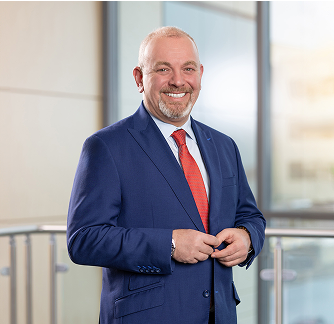
Welcome in to Retire Smart Maryland Radio, your host as always, Prashant Sabapathi. You can find him at Elite Income Advisors, the power behind this program, Prashant, an independent fiduciaries, a published author, a couple of books already, to his credit, fiscal health, retirement, wealth, and retire abundantly. I’m Morgan Patrick. Each and every week, it’s always the importance of having a retirement plan. So, we hit all these topics, get you thinking, and we give you an outlet, that’s right, an opportunity to get on the calendar with Elite Income Advisors at no cost, no obligation, no pressure, just to kind of see where you are, and many of you are sitting on portfolios. The other half you probably need that second opinion, you’re halfway down the path, and you’re frustrated. So, listen up. We’ll open up those appointments now. Before we dive into the, if you’re on that early retirement track, and things you need to be aware of, things you need to be doing. Prashant, how was your week? The week has been great, you know, heading into
Speaker 1 1:30
year-end, it is always busy, but one thing that’s been really exciting around the office is our team has been growing, and that’s just a result of our practice growing. We had so many people come in off of the TV show, the radio program, the podcast, all of our seminars, and we’ve made a lot of progress in helping people build their financial and retirement plans out, and the really exciting thing is with all the new clients that our firm is bringing on, I’ve been able to bring on some new talent, so we just hired a new advisor. He’s a certified financial planner, really, really sharp guy. His name’s John DeFeo. Excited about adding him to our advisory team. And then we’ve hired a couple new support client services people, and so the practice is growing. It is just been a fantastic year. I can’t say thank you enough to our audiences and those who make it all possible. So, it’s been really exciting, Morgan.
Speaker 2 2:29
I’ll tell you, that’s exciting news. And again, Elite Income Advisors here for you when it comes to retirement and being ready and having that plan put together for you. So, I’m not a financial advisor, I’m a radio show host. I get to hang out with Prashant. It’s a privilege to do that, but I’ve done a little homework, Prashant, and I’ve talked to some experts. I’ve got one here on the program, and I’m here with some insights. And the first thing that you got to realize is that there’s early retirement when you start talking about it and taking it serious, it takes planning, and it takes discipline, and it’s not just about hitting a magic number in your bank account, and a lot of us are thinking, you know, maybe it’s a million dollars, maybe it’s a million and a half. You’ve got to think about your health, you got to think about your lifestyle, and how you’re going to actually live once you get out of that nine to five grind. Okay, so you’re thinking about retiring early, and we wanted to dive in on some nitty gritty. If you’re serious about doing this the next several years, what do you need to be doing? What do you need to be focusing on? So, Prashant, guess what? When you were not working, your company’s not paying for your health insurance, so that’s that’s one you got to take care of pretty quickly.
Speaker 1 3:38
Huge, this is a huge, huge deal. Medicare does not kick in until we turn 65 years old. So, if you’re going to retire younger than that, you’re going to need a plan. Now, Cobra can be a temporary fix, but we’ve seen that a lot of times, that can be pretty expensive. So, you want to look into options, maybe through your spouse’s employer, you could look at the Affordable Care Act marketplace, or even professional organizations. You might have to go out into the exchange and purchase your own health insurance. You got to be covered from a health care standpoint. You do not want to let a medical emergency derail everything that you’ve worked so hard for to build towards your retirement, so you got to be careful, but you got to be prepared.
Speaker 2 4:24
Yeah, you’re thinking about hitting the ejection seat and heading off into retirement. You’re doing it early, things you need to be aware of, things you need to be taking care of. Health insurance, obviously, going to be right there, one of the top things you need to be considering. And what about cash flow? And you’re all about income, you’re all about, you know, where it’s coming from, but if you go early, cash flow is going to be very important.
Speaker 1 4:46
Your fine, I say it all the time, your financial life at its core, at its simplest form, is just a function of money in and money out. Paychecks come in, expenses go out, and you try your very best. To save as much money as you can, somewhere along the way. Now, when you get to retirement, that does not change. It just doesn’t change. It’s all about money in and money out, but what changes is where that money in comes from. So, if you’re going to retire early, particularly if you’re going to retire before the age of 59 and a half, when you can access your retirement accounts, you have to have enough money in places that you can access it to help recreate that paycheck that you’ll lose when you retire. And then all you’re going to do is you’re going to compare the paychecks to the expenses, so factor in your housing, your food, your utilities, transportation, entertainment, all those different things to determine what your monthly income target is going to be, and then it’s just an exercise of comparing the monthly income to the monthly income target. If you have a gap, we got to fill in that income gap. If you don’t have a gap in your income, that’s when you know that you’re probably okay to consider early retirement. So this is how I think about planning. It is all about money in, money out in its simplest form. There’s a lot that goes into that, but that’s how we have to start thinking about it, in my opinion.
Speaker 2 6:09
I mean, we’re all headed towards retirement, some of us thinking maybe we go early, maybe we go in the next couple of years before we hit age 65 So things you need to be checking off things you need to make sure you’re taking care of your health insurance, how you’re going to handle that. Make sure the cash flow is going to be there for you. And again, as you’re working and you haven’t decided, you haven’t pulled the trigger yet, you’re two or three years away, but you’re going to go early. So make sure, Prashant, very key here, maxing out your contributions to your accounts,
Speaker 1 6:42
yeah, you have to crank up the contributions, especially as you get closer and closer to retirement. Every dollar that you save now is actually more money that you’ll have to actually enjoy and rely on later in life. And little tip here, if you’re over the age of 50, you can take advantage of what is called the catch up contribution, which allows you to save a little bit more money as you head for retirement. Morgan, one other thing here before we gotta get to the break is, what about social security, right? Especially if you’re considering retiring early, whether it’s in your late 50s or your early 60s, you can start taking social security as early as 62 but that means your benefits are actually going to be lower, so you might consider waiting till your full retirement age. You might even delay it all the way till 70, because that’s going to increase your monthly checks. But what is really important here is that your social security benefit will be optimized. Okay, it’s got to work for your particular situation in the most efficient way possible. We actually have a really cool tool that we use in our office called the Social Security Timing Tool, and it allows us to map out all of the different available Social Security strategies that you have access to, and that way, when you have that Social Security timing report, it gives you all the info you need to make a really good decision. So, folks, what I’m going to do right now is I’m going to open up the phone lines. The phone number is 800-653-8404 that’s 800-653-8404 If you don’t know where your cash flow in retirement is going to come from if you don’t know how to optimize your social security benefit. If you haven’t considered things like the threat of increases in taxation or how to plan for Medicare, especially part B in retirement, pick up the phone and give us a call. When you come in to visit with us at Elite Income Advisors, you’ll meet with our team of advisors and they will walk you through a complimentary process to help you map out your retirement income, optimize your social security, take a look at your investments, as well as your future tax liability. When you come in to visit with us, it is 100% free of cost, and you are not agreeing to become a client. So it starts with your phone call, come in and visit, get on track for the retirement that you deserve, that is 800-653-8404 When we return on Retire Smart Maryland Radio, should you be paying off the mortgage before you get into retirement? We’ll break it all down coming up next on Retire Smart Maryland Radio.
Speaker 2 9:27
Welcome back into Retire Smart Maryland Radio. Your host is Prashant Sabapathi. You can find him at Elite Income Advisors. They’re headquartered in Ellicott City. They’ve got a satellite office in Annapolis for your convenience. He’s an independent fiduciary. He’s also a published author, couple of books already to his credit, physical health, retirement, wealth, and retire abundantly. I’m Morgan Patrick, and each and every week, it’s always the retirement topics, the importance of having a plan, and look, there are a lot of puzzle pieces that go into this. Make sure you have them all, make sure they fit together, make sure you have that confidence as you. Move towards your retirement and into your retirement, and if you’re just sitting on a portfolio, that is not a plan. We’ll give you an opportunity to get on the calendar with the Elite Income Advisors here shortly. These are complimentary appointments, that means you leave the checkbook at home. So I mentioned this coming out of the last segment, Prashant, you know, paying off the mortgage before you actually retire, is it a good idea? Depends on the situation, obviously. So, let’s talk about this. I mean, the mortgage is a significant financial burden, but it isn’t always, say, the best choice to go ahead and pay it off. So, let’s get into this. Does paying off the house before you retire, does it make sense?
Speaker 1 10:41
Look, I think there’s an emotional aspect to this, and I think that there is a financial aspect to this. Okay, so here’s my thought: having a mortgage and having debt like a mortgage only becomes an issue in the absence of an income to service that debt. Okay, so from a financial standpoint, carrying a mortgage is okay in retirement, so long as you have a guaranteed source of income, like a pension, social security, maybe have an annuity that’s giving you guaranteed payments. As long as you have enough income to service that debt, I’m typically okay with keeping a mortgage in retirement now. If you just bought the mortgage at a 6% or 7% rate, not so much of a fan of that, or if you don’t have guaranteed income built into your retirement plan, I’m much more in favor of paying it off. Right, so financially, I think it all depends. Everyone’s situation is going to be a little bit different, but the second side of this is the emotional side of this, right? Some people will say, “Look, I understand I have enough income to pay the mortgage, it’s guaranteed income, so it will always be there, but the thought of owing money to somebody else just makes me feel uncomfortable when I no longer have an income from working. I was actually having this conversation just with a client, just yesterday, actually, and they have enough money to actually keep the mortgage, and he looked at me and was like, it just bugs me that I have this mortgage, and it makes me nervous. It just makes me nervous, and I said, pay it off, just pay it off, because if you pay it off, it will make you feel better, and if you get to retirement, you should want to have the least amount of stress possible, and if mortgage is going to contribute to your stress, pay it off, let’s be done with it, and let’s move on to the next thing. Yeah,
Speaker 2 12:40
I mean, it’s a conversation, everybody’s going to be different. I mean, you may fall on either side of this, but again, have that conversation. How’s it fitting into your plan? How’s it going to work for you? So, again, just follow up questions if you’re thinking about just the question itself. Should I be paying off the mortgage before I actually retire? Amortized interest versus compounded interest, explain that to us.
Speaker 1 13:02
Sure, so like amortized interest is typical of mortgage. It’s how you pay down the loan over time. So you probably notice when you, when you buy a house, the first several years of the mortgage, you end up paying more interest and very little principle. You don’t actually start paying a significant amount of principal. Let’s say on a 30 year mortgage, you’re probably not paying a significant amount of principal until you’ve been paying all the mortgage for 810, 15 years. That’s when you really start to make progress. So, how that’s different from compounded interest. Compounded interest is what you get typically in investments, right? You put in $100,000 it grows by 10% you have 110,000 and now that grows by 10% You get 10% growth on 110 not on the original 100. So, when you’re doing a comparison here as to amortized versus compounded, we like the idea of compounding interest, and so if you can deal with the emotional side of not paying off the mortgage, it may make a lot of sense to take some of that money that you would have put to paying off the house early and investing it and getting compounded interest on it. Like I said, everyone’s situation is going to be a little bit different, but very important to understand the different types of interests that that are out there, amortized versus compounded. Figure out which one’s going to be the right one for you. If you don’t know, come meet with a professional and have my team walk you through it, so that you have a good understanding.
Speaker 2 14:29
And here on the radio program, we have complimentary appointments, that means you leave me the checkbook at home. All you got to do is call 800-653-8404 that’s 800-653-8404 We’ll move you to the front of the line. Grab one of those complimentary appointments, and you can ask these types of questions again. You’re not agreeing to become a client. This is an opportunity for you to test drive elite income advisors and get your questions answered. So, we’re getting into, you know, should you be paying off the mortgage before retirement? So, we’ve talked about, you know, paying it off to. Does it make sense, and again, that’s going to be an individual or a couple’s situation, amortized versus compounded interest. And now this next one seems obvious. Where is the interest rate? Is it high? That’s a question you ask yourself. And maybe if it’s high, that’s something you may want to consider getting rid of pretty quickly.
Speaker 1 15:18
Yeah, current rates, we know we’ve seen it through 2024 Rates have been high, right after going through a decade of historically low interest rates. We’re in a position now where interest rates are higher, and so what you have to look at is, do I have an opportunity to potentially refinance my mortgage at any point in time in the future? Right, whether that’s now or that’s later. I think it’s a fair question to ask. The second thing is, the interest rate that I’m going to earn on investment, is that going to be higher or lower than the current rate that I’m paying on the mortgage? Like, I think all these things go into that decision of, do I actually pay the house off early. There’s a lot of moving parts to it. Oftentimes, there’s not one cookie cutter answer that’s the right thing. Best thing you can do is actually apply the logic as a part of your financial plan, like don’t take advice from your neighbor or your golf buddy or your brother-in-law on this one. I think what you have to do is create a plan that is customizable for you, so that you make the best decision for yourself based on the available information that you have.
Speaker 2 16:33
Yeah, and I mean, you look around and you mentioned it. I mean, the interest rates for us in the last, you know, in our recent memory, they seem high, but our parents and our grandparents, man, they had, they had mortgage rates that were, you know, 12, 16% you know, I’m trying
Speaker 1 16:46
to, I’m trying to buy a house right now, and I’m always complaining, I’m talking to my dad, complaining to my dad, oh my goodness, average mortgage rates
Speaker 2 16:55
talk, talk to the hand, exactly, yeah, yeah, when you’re, when you’re thinking about it, and you’re headed towards retirement, you know, should you be paying off the mortgage before you actually retire? What about mortgage interest deduction? I mean, that’s something that you need to consider too, because you get a little bit of a break there.
Speaker 1 17:14
Yeah, that’s right. Now, the interesting thing here is that the tax deduction does allow homeowners to deduct mortgage interest from your taxable income, which provides you valuable tax benefit. However, one of the biggest changes with the last tax code is standard deductions went up, and there was a cap on how much mortgage interest you could actually deduct, and so it’s great that you can deduct interest, but you have to be deducting enough to be able to actually itemize the deductions to take advantage of that, so this really highlights the importance of creating a really solid tax plan. It’s not just about investments or should I pay off the mortgage, it’s about how do you integrate all those decisions with your tax situation. Okay, because when the tax code changed in 2017 some of these things changed significantly. Standard deductions change, interest caps on the deductions change. With all that being said, you got to juggle all that together and make sure that your tax plan is as solid as possible.
Speaker 2 18:19
Yeah, it’s never as simple as it sounds when we start talking about different, you know, subject matter here on the program. Just, just paying off the mortgage, right? Should I do it? It depends on your situation. There are a lot of things we’re going to play into it. Make sure it’s fitting into your plan and how you’re going to handle it. The last one we have time for, what creditor protection options are there? That’s a good follow-up.
Speaker 1 18:41
Yeah, some states offer creditor protection, for, you know, like home equity, and certain retirement accounts, like IRAs, may also be protected from creditors. Look, I’m not an attorney, I don’t try to play one on the radio here, so you got to make yourself aware of these types of things. I mean, some states offer these things, some states don’t. So, I would look into that. I think it all kind of feeds into the bigger picture here, which is income is the most important, in my opinion. Income is the most important driver of whether or not you’re going to have a successful, prosperous, fulfilling retirement. I say it all the time, the higher your income is the better the outcome is when you get to retirement, and by the way, I think that’s true while you’re working, right? Higher income, better outcome. And so you’ve worked for 345, decades to get to this point to retire. Where is your paycheck going to come from? Okay, if you have a paycheck that you can count on each and every month, each and every year, for the rest of your lifetime, regardless of what’s going on politically or what’s going on with the stock market. If you can count on that paycheck, it gives you so much more flexibility, Morgan, to do what I. Are you want to do in retirement? Make your retirement as fulfilling as possible, and so let’s not think about this in terms of how much money we have or should we pay off the mortgage. Let’s just think about this from its simplest terms. Where’s my income going to come from? Social Security, 401 k, IRAs, pension. How is it going to be taxed when I receive it, and when I pass away, what happens to that income? Does my spouse get all of it? Do they get some of it, or do they get none of it? We start to answer these questions. We really start to unlock the key to a prosperous and fulfilling retirement.
Speaker 2 20:38
So important. So important again, have that plan, be ready to go, and what better way to do it than to come in, sit down at no cost, no obligation, no pressure. Prashant says it all the time, you know, if you grab one of these appointments, you’re not agreeing to become a client. I think a lot of people feel like they’re going to be pressured into something, they’re going to be sold something, that’s not how this works. This is an opportunity for you to get to know elite income advisors to test drive it, ask your questions, and get those answers back. And then you make a decision. If you’re sitting on a portfolio, folks, that is not a plan. If you’re halfway down the path and you’re frustrated your calls aren’t being returned, it’s time for the second opinion. So, Prashant, without further ado, walk us through how these appointments are going to go.
Speaker 1 21:22
Yeah, so the phone number again, 800-653-8404 It’s 800-653-8404 You schedule that appointment, you come in to visit with the team. One of the first things my team is going to tell you is that at any point in the process, if you feel like we are not the right fit for you, totally okay to be upfront with us, and we’ll go our separate ways, but if we progress through the process, which is a complimentary process, my team will help you put together a series of reports that are going to help you untangle your retirement. Number one, it’ll be a social security optimization plan. Let’s figure out the right social security strategy for you. Number two, it will be a risk report. We’ll risk analyze your portfolio, make sure that you’re not taking an inappropriate amount of risk for your stage of life. Number three, it’ll be an income plan. We’ll help you map out your income each and every month, each and every year, for the rest of your lifetime, after considering taxes and inflation, to make sure that you don’t have a gap in your retirement income. All of this is what we call the Retire Smart roadmap. It starts with your phone call coming in for that appointment, 800-653-8404 When we return on Retire Smart Maryland Radio, yeah, we’re going to talk about part-time or freelance work in retirement. Have you thought about it? How’s it going to impact you? That’s coming up next.
Speaker 2 22:55
Retire Smart Maryland Radio, your host Prashant Sabapathi, Elite Income Advisors. Where you can find him. Check out this website. It’s a great resource for you. Easy to remember: Elite Income advisors.com That’s Elite Income advisors.com There are links to the TV show, radio show, and podcast form. There’s a lot of great information there. Prashant is again an independent fiduciary. He’s a published author. Couple of books: Physical Health, Retirement, Wealth, and Retire Abundantly. They’re headquartered in Ellicott City Satellite Office in Annapolis. I’m Morgan Patrick, and again, privilege each and every week to talk retirement with Prashant, and also tell you, as a listener, this is a great resource for you. You have an opportunity at no cost, no obligation, no pressure, to grab an appointment with the Elite Income Advisors, and kind of see where you are, and we know a lot of you out there are sitting on portfolios, you’ve done really well working your entire life, saving, putting it away, but now what? Well, grab one of the appointments, or you’re halfway down the path, you’re a little bit frustrated, not being communicated with, and it’s your money, you should be frustrated. Get a second opinion, call the number 800-653-8404 that’s 800-653-8404 That’ll move you to the front of the line. So, working in retirement, maybe part time, maybe you freelance again. A lot of people are thinking about this per shot. According to Market Watch, nearly one in three retirees plan to work part time to supplement their income, that’s according to AARP, and part time work offers both financial and also lifestyle benefits, but it’s important to consider how it’s all going to fit into what your retirement plan. So, including that, you know, think about the impact of taxes, social security, medicare premiums. Man, there’s a lot that goes into this recipe. So, what are the financial benefits of part time or freelance work in retirement, your thoughts.
Speaker 1 24:44
So, number one, I only want my clients to work in retirement if they want to work, not because they feel like they need to work. Now, my opinion on it is that if it’s fulfilling, it pays you relatively well, and it keeps you active. I’m all for it. Okay, it can help supplement retirement income without the full commitment of the, you know, the traditional grind in the nine to five, and it can really allow retirees to delay drawing down on things like their retirement savings or even social security, which ultimately helps your nest egg last longer and longer, which is what this whole planning process is all about, so love the idea, but I only love it if you love it as well. Okay, I don’t want you to work because you need to work, I want you to work because you want to work and stay active. And look, I’ll tell you this, some of my favorite clients tell me I retired three months, I enjoyed myself, and then I got bored, and I had to go back to work, not because I needed the money or anything else, I just needed to get my mind back engaged in society. Right, you sit around long enough, and you don’t actually get to test yourself mentally anymore, so could be a great opportunity to just stay active and keep your mind working, so that you don’t lose it. Quite frankly, well, I
Speaker 2 26:05
mean, think about it. I mean, when we’re young and we’re working and we’re looking off way into the future, like, man, it’s gonna be great. It’s gonna be great when I can just walk away from this job and head off into retirement and do as little as possible. I remember my parents saying that. I remember thinking that when I was in college, I’ve got to go through this grind, but then I’m going to be able to retire. But now we’re hearing the stories, people are getting into retirement, they’re like, okay, now what? And so the now what’s are looking at maybe freelancing, maybe they consult in the industry that they worked in, maybe they find that that level of interest that they’re really into, and they get a part time situation, but how it’s all going to fit into your plan, very, very important. So, again, working part time, you mentioned social security, so how is that going to impact benefits? If I say grab that part time job, maybe I’m a starter at a golf course or something.
Speaker 1 26:56
Yeah, look, if you’re below the full retirement age and you earn more than the social security earnings limit, your benefits could be temporarily reduced. Now, what happens is, once you reach the full retirement age, you can earn as much as you want without reducing your benefits. So, you got to be really careful here, because if you’re in excess of the earnings limit, meaning you’re under your full retirement age, you’re working, earning income, and attempting to collect social security at the same time, you may actually have to pay back some of the benefits that you received if your income is too high. So one of the tricks here is making sure that you can control your part-time income to stay under that limit if you are younger than the full retirement age. This is where working with a professional and someone who has experience in the planning side of this can be incredibly valuable, because the last thing you want is to collect social security, work, earn too much income, and then six months or a year or year and a half later get that letter from social security saying, hey, you owe us a lump sum of benefits. Well, what happens if you already spent that money? Do you actually have the lump sum to pay back to them? So, you don’t want to get on the wrong side of the federal government, you don’t want to get on the wrong side of the IRS, you certainly don’t want to get on the wrong side of the Social Security Administration. Work with a professional to make sure that your income streams are as coordinated as possible,
Speaker 2 28:21
you’re thinking about it, right? Freelancing, maybe part-time gig, once you get into retirement, is it a good idea? I mean, certainly, you know, make sure it’s working within your plan, make sure you know how much you can make, what the penalties might be if you go over a certain number. So, again, think about that, think about how it’s going to impact social security. What about medicare premiums?
Speaker 1 28:45
Your earnings from part-time or freelance work can potentially increase your modified adjusted gross income, which could push you into a higher income bracket, not just for taxes, but for medicare part b and part d premium. So, Morgan, your Medicare Part B and Part D are based on your income from two years prior. So the price that I pay for 2025 for instance, Medicare premiums are going to be based on my tax return from 2023 So if you have additional income that’s driving your income up, you could incur the surcharge associated with Medicare, which is called IRMA, IRMA, which is the income-related monthly adjustment that comes along with having a higher income. So, you got to be careful here. It’s not just about managing the tax liability, it’s about managing the Medicare liability as well. You don’t want to unnecessarily trigger the Irma, and have to pay hundreds of dollars a month more for healthcare. If that could have been avoided just by doing a little bit of, I would consider it to be pretty easy planning.
Speaker 2 29:53
Tell you folks, working in retirement, a lot of people are going to end up doing it. How is it going to impact. And your numbers, I mean, it’s going to be very, very important to know those. What kind of.. here’s another question for you, Pushell. What kind of part-time freelance jobs are popular among retirees in the DC area, in the Maryland area? What do you.. what are you seeing?
Speaker 1 30:16
Yeah, look, I’ve shared often on this show that the majority of our client base, like more than 50% of our clients, at some point in time, have served in the federal government, and so we have tremendous respect for the clients that we have that have served in the federal government, and most of those people I would say work in agencies for which they hold security clearance, right, DoD, NSA, etc. And it’s incredible to me how many offers these folks get after they retire to just come back and consult or con do some contract work part time. So consulting is a big one, contracting is a big one, but even things like teaching, tutoring. I have a client that does free freelance writing, believe it or not, part time. And then for all my golfer clients out there, they’re working at the golf courses, not because they want the money or anything, it’s because they get the free golf, right? So you work at a start as a starter, as a backdrop, you know, attendant or whatever, and the benefit there is you’re getting paid whatever, but you’re getting to play for free in retirement, and I’ll tell you what, the golf budget, we know how expensive that can get after the COVID golf boom. Golf has gotten really, really expensive in Maryland and DC and Virginia, and so getting the perk of some free golf is a home run to me.
Speaker 2 31:43
Working part time, maybe freelancing in retirement. How is it all going to fit in to your overall retirement plan? Make sure you’re mapping this out. How can retirees balance that desire for flexibility with maybe that need for a little bit extra, little supplemental income?
Speaker 1 31:58
Personally, I think the key is finding part-time work or freelance work that fits your lifestyle. Okay, retirement is a time to take stress away. The last thing you want is for your part time job in retirement to provide you any kind of stress. So, whether it’s seasonal work or project based freelancing, or just a few days a week in a traditional role, make sure you’re choosing an opportunity that offers you both income and personal freedom. Folks, let’s open up the phone lines again: 800-653-8404 Dial that number, come on in, and visit with us at our office here. Headquarters are in Ellicott City. We have another office in Annapolis, Maryland. When you come in to visit, you’ll meet with our team. We’re going to sit down with you. We’re going to hear about your specific situation. We’ll give you the opportunity to ask us as many questions as you would like, maybe some of those questions that your advisor has not yet been able to clear up for you. Most of the people that come in to visit with us have concerns surrounding when to collect their social security, or they’re not sure that they can weather another bear market or a big loss in the market before they get to retirement. If you share in those concerns, pick up the phone, give us a call, come on in, visit with my team of advisors, and they’re going to help you put a real plan together. It starts with that phone call, 800-653-8404 complimentary to anyone who calls in and schedules that appointment, that is 800-653-8404
Speaker 2 33:30
We’re back with more Retire Smart Maryland Radio right after this, you Retire Smart Maryland radio hosted by Prashant Sabapathi. You can find him right here in Ellicott City. Again, Elite Income Advisors, independent fiduciary office, of course, in Ellicott City, but a satellite office in Annapolis for your convenience, couple of books to his credit already. Fiscal Health, Retirement, Wealth, and Retire Abundantly. I’m Morgan Patrick. And again, it’s always retirement topics. It’s about the importance of having that plan, that road map to get you to and through. There’s going to be an opportunity to get on the calendar with Elite Income Advisors, so listen up for that, and again, these are complimentary, and what does that mean? Yeah, it means free, that means no charge, that means leave the checkbook at home, but it also means you’re not agreeing to become a client. This is an opportunity for you to test drive elite income advisors, see if it’s a good fit for you, and also they’re going to see if you’re a good fit for them, that’s what this is all about. So we’re into scenarios. Prashant, first one up, a retiree with 500,000 in a 401 k wants to start withdrawals, but is unsure if they should take monthly or annual distributions. They want to minimize taxes and avoid running out of funds. Obviously, what. Factors should guide their withdrawal strategy. This one’s actually really interesting, because I think you can look at it with two completely different perspectives, depending on what is going on in the stock market at that particular point in time. So, let’s just talk about the tax side of this real quick. The taxes are not going to be any different, taking it monthly versus annually, if the money’s coming out of a pretax 401 k, every single withdrawal is going to be fully taxable, both at the federal and the state level, especially
Speaker 1 35:30
if you live in a state that taxes retirement income like Maryland does. So, with that being said, let’s address this idea of monthly versus annually. Okay, I think taking an annual distribution at the beginning of the year ends up being a pretty good thing if the market goes down throughout the course of the year. However, if the market goes up throughout the course of the year, I think you want to take a monthly withdrawal, because then you have more of your money sitting in the account compounding and working for you, so what is important here is how you want your income to look when you get to retirement. Are you okay with taking a lump sum and then spending that lump sum down over the course of the year, or are you the type of person that really needs to kind of simulate having a paycheck like you were used to for 30 or 40 years before you ever got to retirement, whichever way works for you, that’s fine. You just have to have a plan that allows you to execute this in the lowest risk way possible, and when I say lowest risk, I’m talking about the lowest risk of running out of money one day, and oftentimes that just goes to this idea of where is my income going to come from. I think the quicker you find that answer, the easier it’s going to be to feel really secure about your retirement plan.
Speaker 2 36:54
You can grab a complimentary appointment again with Elite Income Advisors by calling this number, 800-653-8404 that’s 800-653-8404 and talk about your retirement scenario. All right, next scenario for you is this: Prashant, 40-five year old hospital employee, 150,000 in their 403 b, and is maxing out annual contributions. They wonder if adding a Roth 403 b component would provide more tax flexibility in retirement. How could a Roth 403 B benefit them if they expect to be in a higher tax bracket?
Speaker 1 37:31
You know, I give a lot of seminars all over the state of Maryland, and we’re talking about taxes in these seminars more than we’ve ever talked about taxes in the last several years, and that’s because so many people share this concern that their tax rate in retirement will actually be higher than their tax rate today, while they are working, and I always joke when I do these seminars that my three favorite words in the industry are income tax free. Okay, I’m a big fan of anything that allows us to have an income tax free retirement. So, adding a Roth 403 B contribution allows you to put money into an account, a retirement account that is after-tax money, so you pay taxes on it going in, but as that money grows, it’s all tax deferred, and assuming that you take a qualified withdrawal from that account, meaning you’re over the age of 59 and a half, and you held the Roth for more than five years, 100% of that distribution will be income tax free. That includes the original money that you put in and the earnings. So, think about this, Morgan. If you could do this for 15 or 20 years, you could potentially set yourself up with hundreds of 1000s, if not maybe even over a million dollars of retirement income that could be income tax free in retirement. There are tax trade-offs. You will probably pay more tax today by employing a strategy like that, but if you think your tax rate today will be lower than your tax rate in the future. I’m a big, big fan of taking advantage of the Roth. Make sure you get personalized tax advice for you, though. But income tax free, that’s what it’s all about.
Speaker 2 39:16
Tell you, you’re heading towards retirement, and you need to have that roadmap put together, and a lot of it has to do with how you’re going to handle taxes, and this could be a good component for you. So, make sure you’re having those types of conversations as we get into our scenarios. Here’s another one for you: a retiree considering taking out an annuity loan to cover a short-term expense, but is worried about the impact on their income stream and fees, are annuity loans a good option for us, just accessing the funds, and what are the long-term implications? My opinion is that the biggest use case of getting an annuity for getting an annuity is the guaranteed income, so.
Speaker 1 40:00
So I just did this with a client, not too long ago. They came in, they had about a million and a half dollars, and we carved out about 300,000 so about a fifth of their portfolio, 20% we carved out to put into an annuity. Okay, and the reason we did that is so that that 300,000 could give them a steady paycheck each and every month, each and every year, for the rest of your lifetime. I think if you plan appropriately, the thought here is that you should never really need to touch your annuities to cover short-term expenses, because annuities are designed to give you lifetime income. Okay, and it’s guaranteed income, so in my opinion, we shouldn’t be jeopardizing our lifetime income in any given way, because the higher the income is, the better the outcome is when we get to retirement. So, my philosophy on this, as a general rule of thumb, obviously everyone’s going to be unique and a little bit different, but I want the least amount of money possible in annuities, so long as my client’s income needs are taken care of. If we leave the majority of the client’s money in a place that is not only accessible but also working and potentially growing for them, short-term emergencies should be able to be covered from a bucket of money that is not the annuity bucket. And so that’s my opinion. I’m not sure that everyone will agree with me on that, but I’ll tell you what: all the clients that are a good fit for us, who we’ve served, who we’ve helped retire, really subscribe to this idea of bucketing your money and having one bucket of money that’s designed to provide you income, but then having a bigger bucket of money that is designed for growth, for access, for liquidity to cover not just short-term expenses, but inflationary concerns, and things of that nature. That’s my philosophy. We’ve been able to help a heck of a lot of people retire using that philosophy, and so if you think that’s a good fit for you, I think it’s probably worth it. You come in and visit with the team and see what could
Speaker 2 42:00
be a good idea for you as you head for retirement. Well, it’s about having confidence and feeling good as you move towards your retirement date. And if you’re out there sitting on a portfolio, that’s not a plan. If you’re in the middle of something and you’re not feeling good, it’s time for that second opinion. Easy to grab one of these complimentary appointments: 800-653-8404 that’s 800-653-8404 And remember, when you book an appointment with Elite Income Advisors, you’re not locked in to becoming a client, you’re not agreeing to become a client. This is an opportunity for you to get to know them, they’re going to get to know you. And then, obviously, if you want to take the next step, you can, but this is no obligation. So, call the number 800-653-8404 and get on track with your retirement, and get that Retire Smart roadmap put together. Alright, final scenario, my company discontinued the 401 k. What options do I have? What can I do to kind of create my own pension,
Speaker 1 43:01
so you have several different options. Number one is you could leave the money in the 401 k if you determine that’s the best thing. You can roll over the money into a combination of IRAs or Roth IRAs, for which you can invest in really anything that you want to, whether it’s stocks, bonds, mutual funds, exchange traded funds, even things like annuities to help you recreate that pension like income in retirement. I think a lot of advisors are unnecessarily quick to recommend that their clients automatically roll over their money every time they leave an employer. To me, it doesn’t necessarily always make sense. My philosophy is that the closer you get to retirement, the more impact these decisions, these very important decisions, have on your long-term health. So, the only reason for you to move this money out of the 401 k when you get to retirement is if it concretely gets you closer to achieving your financial objectives, meaning you can potentially get more growth out of an investment by rolling it over. You can get more guaranteed income out of investment by rolling it over. Maybe you’ll pay less in fees by rolling it over. Those are the reasons that you should be able to quantify before you actually make that decision. It shouldn’t just be a cookie cutter blanket decision to say every time I leave an employer I should roll my money over. That’s how me and my team look at it. We want to have financial purpose behind every decision that we make. So, folks, if you’re not sure whether there is true purpose behind your financial plan, pick up the phone, give us a call. It’ll be the last opportunity for today’s program to get on the schedule. The phone number: 800-653-8404 I have a team of operators. They are standing by, ready to take your phone call. Have your calendar in front of you when you make that call. Schedule that time to visit with us. It’s a one hour meeting, totally free of cost. You come in, you get to know us, we get to know you, we’ll help you design that retirement plan, income plan, social security analysis, risk analysis, customized bucketing plan, and a net worth statement as well. When you have a plan like this, it will start to untangle your retirement and take the fear and the mystery out of the financial planning process. That phone number again, last opportunity for today’s show: 800-653-8404 That’s 800-653-8404 Another edition of Retire Smart Maryland Radio is in the books for Prashant Sabapathi. I’m Morgan Patrick. We will see on the radio next week.
Announcer 45:53
Annuity guarantees are subject to the claims paying ability of the issuing insurance company. If you withdraw money from or surrender your contract within a certain period of time after investing, the insurance company may assess the surrender charge. Withdrawals may be subject to tax penalties and income taxes. Persons selling annuities and other insurance products receive compensation for these transactions. Products are subject to fees and additional expenses. Any comments regarding safe and secure investments and guaranteed income streams referral into fixed insurance products, they do not refer in any way to securities or investment advisory products. Information presented on this program is believed to be factual and up to date, but we do not guarantee its accuracy, and it should not be regarded as complete analysis of the subjects discussed. Discussion should not be construed as an offer to buy or sell, or a solicitation of an offer to buy or sell the investments mentioned. A professional advisor should be consulted before implementing any of the strategies discussed. Investments involve varying degrees of risk, and there can be no assurance that any specific investment or strategy will be suitable or profitable for a client’s portfolio. Elite Income Advisors Incorporated is registered as an investment advisor with the state of Maryland, and only transacts business in states where the firm is properly registered or is excluded or exempted from registration requirements. Registration as an investment advisor is not an endorsement of the firm by security regulators, and does not mean that the advisor has attained a particular level of skill or ability. You should always consult an attorney or tax professional regarding their specific legal or tax situation,