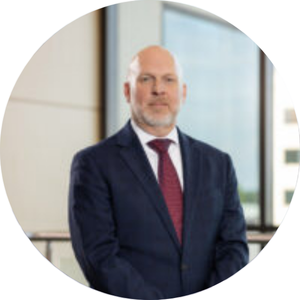
Speaker 1 0:03
Stay tuned right now for Retire Smart Maryland, the radio hour from Elite Income Advisors, focused on helping you build a stronger financial future and make the best of your retirement years. Retire Smart Maryland covers income and investment strategies, opportunities to help you grow and protect your wealth. Examining tax-efficient planning techniques and addresses legacy and estate planning considerations. Also, perspectives on the latest financial headlines and what you need to do. It’s time right now for Retire Smart Maryland with Elite Income Advisors.
Speaker 2 0:36
Welcome to Retire Smart Maryland. I’m your host Mike Bower, and whether you’re listening for the first time, or you’ve been riding along with us for years, we’re glad you’re here. Today’s show is about resilience because the truth is, retirement planning isn’t just about what goes right. It’s about what can go sideways, the fumbles that life throws at you, the curveballs that life throws at you, and making sure you have a plan built to handle it. My guest today is Prashant Sabapathi, advisor and founder of Elite Income Advisors in Central Maryland. You guys got offices in Ellicott City and Annapolis. Prashant, welcome back to the show.
Speaker 3 1:07
Hey, Mike. Glad to be back, and really kind of excited to talk about today’s topics, especially when it comes to the curveballs, so to speak, that life will throw at you. Because I think, you know, when you talk about your wealth building, wealth is really only half the battle, isn’t it? Like I think I think the real test is how resilient your plan actually is when life blindsides you. And so I’m excited for today’s show. We’re going to give our audience here a little bit of a playbook to bounce back from some of those money mishaps and and protect the things that you’ve worked your whole life to accumulate and to me that is your life’s legacy. You got to be able to protect it.
Speaker 2 1:49
You know, you mentioned resilience. Some you know something to said about being resilient, especially when it comes to money. A lot can go sideways. I mean, the bad news, the bad things, divorce, maybe a health scare, a job that disappears, maybe a job, an entire sector that disappears. The times they are changing. Maybe you had an investment that went the wrong direction. A business didn’t make it. Maybe good news: you and your spouse are expecting, and all of a sudden it’s twins or triplets. So these are all things curveballs that life can throw you. What do you do when life hits you financially, Prashant. Over your years of practice, where does you know how big can can financial derailment usually start in terms of some of these curveballs that life throws at you?
Speaker 3 2:32
I think it’d be a huge deal. It can be a very huge deal, especially when you start thinking of divorce. Right, divorce potentially splits one household into two. Could force retirement accounts, home equity, your portfolio to be divided. And it’s not just that it could be divided. It’s at what time does it get divided? What if the market happens to be up or down? Right when the division of assets actually happens, could that trigger taxes? Could that trigger other legal fees that come into effect? And that could derail a retirement timeline really, really quickly. And so, look, I don’t think anyone’s coming into the office planning to get divorced, right? But that being said, it’s just reality that that’s going to happen, and so when that happens, I think you have to evaluate things like, hey, if we separate and maybe one spouse has a pension and the other one doesn’t, or one spouse has the majority of the retirement assets in their name, how does dividing those income streams, dividing those assets, impact each spouse if they were to operate in more of an independent setting. And then, by the way, what happens to your tax status, Mike, if you go from married filing jointly and now you’re filing as an individual? I think a lot of people look at that and say that filing individually could be a heck of a lot less favorable on an ongoing basis, so a lot of moving parts to this, and I view it because you know I grew up in a family of doctors. I grew, I look at this no different than if you were to have a major medical event, right? The first thing you’re going to do is you’re going to go take a baseline with your doctor to see where you stand and what you can do to make sure that you get yourself on track in the in the best way possible, and I’d say, by the way, in the lowest risk way possible as well.
Speaker 2 4:28
You know, you just mentioned that a major medical event, and you were kind of you know you were making a you know a metaphor, similarly a comparison there. But I want to ask you because that’s another big curveball that people get. I mean, the the absolute terrible news of you know the big C cancer diagnosis, a heart attack, a bad accident. How financially devastating can that actually get for for for an individual, for a family?
Speaker 3 4:49
Well, you look at like one of the biggest causes of bankruptcy in America today is what? It’s medical debt, isn’t it? Right. I remember this was back in 2018 My father was diagnosed with cancer in 2018, and doesn’t it feel like that heart attack or that cancer diagnosis hits when you are most vulnerable? Like my dad got that diagnosis when my mom was right in the midst of dealing with dementia, right? And so, even with great health insurance, out-of-pocket maximums, lost income during recovery, all of that type of those types of things can wipe out your emergency fund. It could force people to raid their retirement accounts early, which could trigger penalties. Long-term disability is notoriously vastly underinsured in Maryland, and that could cost people future years of retirement contributions. So, a lot of moving parts to this. The way that I kind of think about this is, we spend our entire life accumulating wealth. At least we try to, and that is our financial legacy. And what we’re starting to find is our clients do a great, great job at saving money. I know most of our audience listening in the D.C. area or in the Central Maryland area-they’re really good at saving money. That’s what I’ve learned with all the people that come in to visit with us every week off of the TV show and off of the radio program. People come in to visit, and I regularly see people with 1,000,002 million, $5 million But what I don’t see very often is a protection plan to make sure that that money is well taken care of. Heaven forbid something like the this was to happen, whether it is divorce, whether it is a financial a financial kind of derailment due to a medical emergency, and so it’s something that I think is becoming more and more prevalent. Mike,
Speaker 2 6:46
if you relate to to something like this, and you know, and to be quite honest, not to not to be such a downer on the program today, but I think everybody’s been touched by that. Prashant, you mentioned your father dealing with cancer while your mother was dealing with dementia. I think everybody’s been touched some in some way in their life by cancer or by by long term disease. If this resonates with you when you think of it, not from an emotional heartfelt side, but from a financial side, how do you recover from that curveball that life throws you? You can give the team a call at Elite Income Advisors 833-856-1387 It’s a no cost, no obligation visit. You can also go online to eliteincomeadvisors.com. You know, okay, less less, less bad news, but more. This is just kind of the way things are in the world. Anybody remembers 2008? Watch our statements in early 2020. You go back to Y2K and the years before that. Market crashes. Prashant, it’s not all about the market going down, right? It’s about when it goes down that has potentially a greater impact.
Speaker 3 7:45
Well, that’s exactly right. It’s the old saying on Wall Street, right? It was what it was that we wanted to buy our investments low and sell them high. And look, if all of my clients always sold their investments high, I think most people will be in great shape, but the reality of the situation is we don’t know exactly when the market’s going to go up and when it’s going to go down. And so, what are you going to do if you have all your money in the market, the market goes down, and now you want to take money out, or you have to take money out to live your life the way you want to? That could force you to sell investments at a market low, which is what we want to try to avoid. And so, I think what most people do is they have different buckets of money assigned to different objectives. We typically have lower risk or even totally safe money that’s designed for the purpose of taking money out when the market is low, and then we have a risk bucket of money where it’s going to go through its ups and downs, but over time, hopefully, we’re able to earn a rate of return on our investments. But, folks, if you are approaching retirement, or maybe you’re already there, my opinion, you cannot afford to just drive down the road without guardrails. A single medical crisis, an unexpected career disruption, or sudden sudden market crash can permanently derail a lifetime of hard work if you haven’t built in the proper defenses. You dial this phone number, schedule an appointment to sit down with me and my team. Let’s put together a written plan so that you have all the comfort you need heading into retirement in order to book that free, no cost, no obligation visit. The phone number is 833-856-1387 That’s 833-856-1387 Schedule your complimentary visit in Ellicott City, Annapolis, or on Zoom today.
Speaker 1 9:38
Think about how much has changed over time. Cars have evolved, technology has advanced. The way we live, work, and commute looks very different than it did even a generation ago. Retirement solutions have changed too. Does planning your retirement sometimes feel like you’re playing checkers in a video game world? Investments have improved. Timelines have moved out further. Today, retirement. Can last decades. At the same time, factors like inflation, taxes, and healthcare costs also play a bigger role over time, adding new layers of complexity to the decisions you have to make. What worked years ago may not fully account for the challenges and opportunities you face today. That’s why having a strategy built for today’s retirement environment can make a difference. Call Elite Income Advisors today to schedule your complimentary retirement income review. 833-856-1387 Elite Income Advisors works with individuals to build retirement strategies that reflect these long-term changes, helping bring structure to income, taxes, and overall financial planning. Call Elite Income Advisors today to schedule your complimentary retirement income review. 833-856-1387 That’s 833-856-1387 Or go to their website eliteincomeadvisors.com Retirement planning isn’t the finish line. It’s the beginning of a new era. Just like the projects of your working years, a great outcome starts with a solid foundation. There are decisions you can have some control over, such as which investments do you need, when should you take Social Security, which tax elections do you choose, and then there are bigger picture questions we don’t control, such as will healthcare costs be higher in the future, how might inflation affect your lifestyle years from now, and how long will your savings need to last? It’s not just one question. It’s how all of these questions connect. Elite Income Advisors works with individuals to turn those questions into a structured retirement plan, bringing focus to income, investments, taxes, and long-term planning decisions. Begin to see how your pieces may fit together and what steps may be worth considering next. Call Elite Income Advisors today to schedule your complimentary retirement review. 833-856-1387 That’s 833-856-1387 or schedule your own time at their website eliteincomeadvisors.com
Speaker 2 11:57
Thank you so much for listening to Retire Smart Maryland. For everybody out there, I’m excited to be joined by Prashant Sabapathi, advisor and founder of Elite Income Advisors, helping folks in Central Maryland for years with offices in Ellicott City and Annapolis. And you can always schedule an online Zoom meeting if that’s more convenient for you. All right, Prashant, I want to I want to run something by you and for everybody listening. If you and your neighbor, hypothetically, both retired on the same day, with exactly the same amount of money, would you end up in the same financial position 10 years from now, Prashant? To the people listening, how do you think most people would answer?
Speaker 3 12:35
I think most people would look at that and say, “Yeah, I think we’d end up in the same place if we had the same amount of money, same age, retired at the same time. I think we would end up in the same place, but Mike, that might not always be the case, right?
Speaker 2 12:50
Yeah, I mean, you know, people with two identical portfolios could potentially end up with different amounts of money in retirement. Where where is the the biggest impact to to those two very potentially and hypothetically here, but potentially different paths in terms of retirement. Where’s the biggest biggest gap?
Speaker 3 13:12
I think the biggest gap is in taxes. Okay, you might have the same amount of money as your neighbor or your coworker, but different accounts like taxable accounts, like brokerage accounts, or tax deferred accounts, things like your 401k your IRA, the Thrift Savings Plan, even Roth IRAs-they all these different types of accounts carry entirely different tax rules. And so, my opinion is that if you tap them in the wrong sequence, you can actually trigger massive tax kind of increases or unnecessary taxes, which could create an efficiency problem, which creates a drag on your financial plan. So that’s exactly how two people with the same amount of money could end up in different places, because one person might end up paying a heck of a lot more than the other person would in taxes, and so I think no longer can we look at financial and retirement planning totally independently of tax planning. Okay, like I think most advisors don’t want to talk about taxes, and you know why do you think that is, Mike? I think there’s several reasons, but I’m kind of interested because you know you’re kind of out there as well. Why do you think the reason is that most financial advisors don’t even want to think about talking about taxes with their clients?
Speaker 2 14:36
I mean, for me, maybe the simplest answer is the easiest one. I don’t know, but it’s the fact that it’s very complicated. I mean, you look at the tax code; it’s you know so many pages, and if you stacked it all up, it would be this tall. But I think it’s because it’s it’s it’s super complicated, and that’s that’s your tax guy’s job. That’s your tax preparer’s job. I don’t have to do that.
Speaker 3 14:57
Yeah, I think you’re exactly right, and I think. The majority of advisors, I feel like, want to do the minimal amount of work required to get paid. Right, like at the end of the day, I think that’s what it comes down to. Helping clients deal with taxation doesn’t put any money in the advisor’s pocket. Right, but that being said, is that a good enough reason for advisors to not talk about it to me that doesn’t make any sense, right? Because it look for better for worse. If you want to retain clients in this business, you got to be able to provide enough value that makes them want to stay. Otherwise, someone else is going to provide it to them. I feel like, and so with that being said, I’m not saying that we have every answer when it comes to taxes. I’m not a CPA, and I don’t try to play one on the radio. Okay, but one thing that I will not do is I will not ignore the impact of taxation of different types of accounts, whether it’s after-tax accounts like brokerages, 401k’s IRAs, Roth IRAs, and the tax-free nature of those things. Like you have to be able to look at all these types of things together, so that you can figure out which withdrawal sequence is the right thing for you. And by the way, it looks different depending on the client. I have clients where taking money from their Roth IRAs earlier actually makes sense in their particular financial situation, just as I have clients that our plan is to delay taking money out of their Roth as long as possible, so that that money can compound and grow. But there is no cookie cutter solution to it, and unfortunately, I feel like so many of the advisors that our clients come over to us from, they complain that hey, my advisor that I came from just had a cookie cutter approach, and I didn’t feel that I got very much customizable planning based on my specific situation.
Speaker 2 16:54
Cookie cutter is good for cookies, not good for planning your retirement. You know, you know, if you’re looking for, you know if you’re out there and you’re trying to buy a new car you’re not gonna you you know you’re not gonna be excited if if there’s only one model out there available and everybody has to buy the same car there’s a whole reason why there’s different companies out there that offer things for different people and that’s what the team at at Elite Income Advisors does is they work with you together and will you know help you build a plan that’s customized for you, Prashant. If you want to, you know, if somebody wants to meet with you and they want to come in for that complimentary, no cost, no obligation first visit, you mentioned some of those things: the 401k the Roth, the IRA, a brokerage account. Maybe you have a pension. You you know you’re one of the many many people that work for the government that you work with, what do you bring to that first meeting? If you do have all these different multiple types of accounts, so that they can help you help them figure out which ones to go with.
Speaker 3 17:50
So a couple things here. One is I don’t want anyone to work with any advisor that they don’t feel is the absolute best fit for them. Okay. So by the way, when you come in to visit with us, you’re not agreeing to become a client. In fact, I’m not agreeing to take any person that comes in as a client until we determine whether or not we’re even the best match for each other. But let’s assume that you do schedule that appointment, like so many others do. You’re going to come in for that visit. When you come in, it is just a conversation. We’re going to ask you about things like how much pension are you entitled to, how much Social Security are you entitled to in the future based on your Social Security statement. You’ll want to bring that in with you. In your first meeting, we will actually begin the process of designing for you what I call your income for life plan. So, in that first visit, we’ll actually pull up our income planning sheet, and we’ll start to enter in what your projected flows of income are going to look like in retirement, and we will compare those income flows to what I call your monthly income target. If you read my book, if you listen to any of our other radio shows, you’ll hear me talk all the time about monthly income target, and what we’ll do is we just need to compare your monthly income target to your actual income. What we found is so many people have a gap in their income, and so retirement planning starts, in my opinion, with filling in the income gap in retirement. So we will spend the first visit when you come in to talk with us. We’re going to spend that visit designing your income plan, talking about the things that are important to you, whether it’s legacy taxes, social security, and then we’ll go through things like bucketing your money. How much money should you have at risk? How much money should you have potentially safe? And together, through that process, we’re going to make a mutual determination as to whether or not we’re even the right match for each other. And by the way, if you find that we’re not, or if we find that you’re not, we will agree to go our separate ways. No hard feelings, as you know. Maryland and Virginia is a pretty small place. I’ll still see around town. We’ll still be friendly. There’s no. No hard feelings if we don’t end up working together, but that’s what the process would look like. And so it just starts with scheduling that appointment again: 833-856-1387 to get on the schedule. Here we have openings for the next couple weeks.
Speaker 2 20:14
Again, that number is 833-856-1387 And Prashant, you just a few moments ago were talking about that, you know. There’s some advisors that that don’t want to address the the tax situation. You guys not only do that, but you’ve also got a special tool that you’ve set up. Very very convenient tool, easy to go through. Testmytaxes.com. That’s testmytaxes.com. Fill out a couple quick questions, and they’ll run you through your retirement ready tax calculator, so you can find out where you stand. Prashant, I want to maybe maybe a little bit move away from taxes. It’s still part of the conversation, though. But look, Medicare, there’s premium surcharges that can kick in, and there’s these things called RMDs, right? Required minimum distributions. Do those things catch people off guard?
Speaker 3 21:01
I think they can. I think a lot of people know that they have to take money out at a certain age, and for most people, it’s going to be between the ages 70-three and 70-five years old that you have a mandated distribution from your retirement accounts. I think what a lot of people don’t realize is a how much that distribution is actually projected to be because it is forced income that you’re adding to your tax return, and secondly, when you do take the distribution, I think a lot of people don’t fully understand the downstream kind of domino effect that comes with taking those distributions. Because you mentioned it, Mike, it’s like you take out an RMD. Let’s just say hypothetically, let’s say your RMD is like 60,000 bucks for the year. That counts as income. It goes on top of your other distributions. It goes on top of your Social Security. It goes on top of your pension income, which means it potentially could raise your tax bracket, and then it could have a downstream effect on your Medicare premiums because you said it, Mike. Medicare Part B is a co-insurance program, but the premium that you pay for Medicare Part B is simply based on your tax return from two years ago. So the higher your income is two years later, it could create a higher Medicare premium. A lot of people just suck it up and pay the premium because they think that that’s what their only option is. But I think with good planning, you’re going to find opportunities to not have this spike in your Medicare Irma, in your income, in your RMDs. But you have to be proactive about that type of thing. You got to do things like Roth conversions, maybe proactively draw money out of your IRA to to take it out before the RMDH. So a lot of moving parts. I’m not sure what the right thing is for any person because again, it’s not cookie cutter advice. Your situation will ultimately demand what the right thing to do is for you. But it’s incredible how many people don’t know that they have a ton of options because their advisor doesn’t talk about it, they’ve never heard about it from their friends. But when you really kind of dig in and and really get into the nitty gritty, you probably have so many more options than you actually realize.
Speaker 2 23:12
And find out what those options are. Schedule a first visit with the team at Elite Income Advisors, Elite Income advisors.com You can also go to 833-856-1387 Set up a no cost, no obligation visit. All right, Prashant. So, in your experience, and you’ve you’ve done this for a long time, you’ve helped so many people plan out their retirement and figure out the withdrawal strategies. What’s the single biggest mistake that retirees make when it comes to this part of retirement, the the you know withdrawal portion, not the accumulation portion. You mentioned a lot of people good savers, but where do people mess up when we’re talking about this?
Speaker 3 23:51
Getting way too emotionally invested in what the market is doing at any given point in time. Okay, I think when the market is consistently going up, it gives us almost a false sense of complacency, right? And then I think, by the way, when the market goes down, what we found, especially in the last probably decade or so, is that it’s rarely as bad as it seems. And so, what I think people don’t do enough of, Mike, is I don’t think that they balance their plan, not their portfolio, but balance their plan out for both the good and the bad markets. And to me, that means bucketing your money, having different monies in different places for different uses throughout the course of your retirement. I think that is the biggest thing: is you get people that have too many eggs all in one basket. Because remember, retirement to me is-it’s not about what you make. Okay, it’s about what you can keep so that you can support your lifestyle. If you are just pulling money out of your portfolio at random to meet your lifestyle. That only works for so long, as long as the market’s going really well. But as soon as things turn around, you are now at I would argue undue risk. If you’re not sure how to navigate that, come on in, visit, schedule that appointment, and let’s see whether or not there’s a mutual fit to work together. If you’re like most of the people that come in, I think you’ll find a lot that you might not know, and it starts with that phone call, folks. It’s 833-856-1387 It’s 833-856-1387 for the no cost, no obligation visit.
Speaker 4 25:35
Call the team at Elite Income Advisors for your free portfolio review and risk assessment at 833-856-1387 You know the market feels a lot different when retirement starts getting closer. When you’re younger, a bad market year feels annoying. But when you’re thinking about retirement income, it can feel very very personal. A lot of people right now are wondering if they’re taking too much risk, or if their investments are really lined up for this stage of life, that’s why the team at Elite Income Advisors they offer a free portfolio risk report and a protection review to help you understand where you stand. Call Elite Income Advisors today at 833-856-1387 That’s 833-856-1387 or visit EliteIncomeAdvisors.com.
Speaker 1 26:30
Deccumulation, spend down strategies, withdraw timing-whichever you call it. Once you retire, the mindset changes from how you save to how you generate income from what you’ve built because your income may now come from multiple places: 401ks, IRAs, Roth accounts, investment accounts, annuities, pension plans, and social security. And each of these can be treated differently when it comes to taxes, timing, and long-term planning. So, how do you decide which accounts to use and when to use them? Well, it’s not just about where the money comes from. It’s how those decisions work together year after year. Elite Income Advisors works with families to build retirement income strategies that help coordinate how and when the assets are used, bringing structure and clarity to this phase of retirement. Call Elite Income Advisors today to claim your complimentary retirement income plan at 833-856-1387 That’s 833-856-1387 or go to their website eliteincomeadvisors.com
Speaker 2 27:33
Thank you so much for listening to Retire Smart Maryland. I’m Mike Bauer, joined by Prashant Sabapathi, advisor and founder of Elite Income Advisors, with offices in Ellicott City and Annapolis. He and the amazing team at Elite Income Advisors have been helping people in Central Maryland take the stress out of retirement for years. And you know, Prashant, we spent we spent a lot of time on the show talking about people who are at or near retirement. But what about the next generation? What about the money habits that the kids, the grandkids are building right now or failing to build. Maybe for you and your team at Elite Income Advisors, the future problems that you’re going to have walk through the door. But they, if they’re failing to build good habits, it might have a direct impact, not years and years down the line, but on your family’s financial future. Maybe sooner rather than later, maybe you know out of left field a little bit here, but with the influence of social media on young people’s financial expectations, you get all the influencers and the the content creators, and there’s a lot of kids today who are just you know brain rotting on YouTube and see that as a dream job, as a realistic career path. Is is that a problem like down the line?
Speaker 3 28:44
I think it can certainly be a problem because very few people, relatively speaking, are the ones that hit it big on social media, right? And so I think our children are you know are seeing what they see online, and that is at the end of the day, they see a high highlight reel, right? They see a streamer with a million followers. They see the influencer with the brand deals, and they think of it as an overnight success story. But nobody films the nine years of grinding that came before it, right? And so, less than 1% of content creators actually make a sustainable living from it. Ad revenue, sponsorships, platform algorithms-all that stuff I think is wildly unstable, and that makes it subject to policy risk. Like, what if the rules change? That can wipe out your income. And so, I think with the lack of financial education out there and social media cramming these like quote unquote overnight successes down our throat, it creates a very skewed kind of reality of how to sustain ourselves financially. And what worries me as a retirement advisor. Mike, it’s at some point, you know, our clients are going to pass away, and they’re going to transfer their wealth to their children. And what I want to be sure of is that whoever inherits this wealth is a good steward of all the money that ends up being inherited. Can you imagine leaving two or three or $4 million to a kid who is not in any way ready to accept that kind of money, right? And you could see that kind of money squandered if it’s not treated properly, despite the fact that it is millions of dollars. So that’s what keeps me up at night as a retirement advisor, which is why one of the things that we do for clients-it’s actually kind of cool. Whenever you are ready, we invite you to bring your your kids into some of your maintenance meetings. Now you don’t have to do that; it’s your money. You’re welcome to do whatever you’d like from a planning standpoint, but it’s it’s great. I know the kids of so many of my clients, and that’s very intentional. We want to know the family because at some point the money’s going to transfer, and I’d rather that your kids have a professional that they already have a relationship with, so that it doesn’t blindside them.
Speaker 2 31:14
You know, Prashant, I think many families, you know, okay, at the dinner table, you know, especially Thanksgiving, right? You you don’t talk about politics. You don’t talk about other people’s kids or anything like that. And for a lot of families, that conversation about money is is another taboo subject. For anybody out there that’s listening, that’s like, well, I I don’t know how to talk to my kids about money. What would you say to them?
Speaker 3 31:36
I think you got to start somewhere, right? Regardless of how uncomfortable it might be. Maybe you just start with something small, like you don’t have to start saying, “Hey, we save 3 million of retirement. How are you going to get to 3 million or something like that? I think it just starts with, “Look, here’s one thing we did when we started saving. We took 15% of every paycheck and we made sure that we invested it somewhere that could grow for our future, right? So I think you start by having small conversations that evolve into much larger conversations because I think the single most powerful thing that empowers people to continue to invest money is watching their money grow while they do absolutely nothing, and that is compounded interest, right? Is like I say for for years, it took me forever to get from zero to $100,000 of investments. It took a lot less time to get from 100 to 250,000 It took what felt like no time at all to get from 250,000 to over a million dollars, right? And that’s simply because of compounded interest. And there’s nothing better than looking at your brokerage account one day and seeing that you made two or 3% and you didn’t have to add money to it. And you know what that does, Mike. It empowers you. It makes you feel like you want to continue to do more. So it oftentimes just starts with a small conversation, and then it kind of snowballs into something a lot bigger.
Speaker 2 33:11
I think for anybody listening who’s you know who’s a boomer or you know an elder millennial is they’re probably thinking the idea of your money growing and not doing anything to have that happen is music to the to the younger generation’s ears, right? Because you’re always pointing the finger at ah this the next generation’s lazy. Cool. Well, if they’re lazy, teach them about compounding income. That’s right. And and I think that’s that would be a good conversation to have. I’m I’m pleased to be joined with a Prashant Sabapathi of Elite Income Advisors. You guys don’t run a daycare. That’s for sure. But that’s very cool that you said some some of your some of your clients do bring their kids in, and you know, and you can share the knowledge with them as you’re learning from Prashant and the team. So can the next generation. You don’t want to waste that estate and legacy planning that you’ve got in place. And it’s a great conversation to have with your next generation, but also with the team, and specifically about legacy. You guys have a really cool website set up at eialegacyquiz.com. That’s eialegacyquiz.com. You can get on there, answer a few quick questions, very easy, and you can get a complete legacy and estate planning review. And then from there you could set up that first visit absolutely complimentary, no cost, no obligation. 833-856-1387 That’s 833-856-1387 All right, so Prashant, we talked a little bit about people that are dreaming of being an influencer someday, but let’s say that you do have you know you you have a kid that goes to college and they get the degree and what the first time that that a young person sees that first real salary in their bank or sees their first salary offer, they might think that they’ve arrived. All right, cool, I’m here. This is it. What are they missing about that moment?
Speaker 3 35:00
So this is what I would call lifestyle creep. I think is what the kids call it these days, right? And that is, hey, I
Speaker 2 35:09
got my first paycheck. Let’s go buy something.
Speaker 3 35:10
Exactly. Let’s go celebrate. Let’s go buy something. And then guess what? You do a great job at work, and next year they give you a raise. And instead of taking the raise money and saving it or investing it, what do you do? You spend it. You go buy the new car. You go buy the new house. You go buy the designer clothes, the stuff that makes you look really, really wealthy, right? And so income goes up, and suddenly the lifestyle gets upgraded with it. And so I think this is another big thing that comes to mind is how do we have a conversation with our kids about not incurring lifestyle inflation? Because as you know, Mike, like that can get out of hand very quickly, right? It’s incredible how many people I’ve seen, just friends, get like a 5000 or a $10,000 bonus at work, and next thing you know, they show up with the new designer bag, and they show up with the the new you know custom clothes, or maybe it’s a new watch or something. And you’re like, that money, like as an advisor, I just sit there and think that could money could be sitting in the market making you money instead of spending you money. And so, like my rule of thumb is that if I can’t afford to just write a check for it, like before I got the bonus or before I got the raise, if I couldn’t afford to just write a check for it, then I probably didn’t need to buy it in the first place. I’d rather have that money working so that it can make more money for me instead of using it in such a way that I’m spending that money on a one-time purchase,
Speaker 2 36:46
not to continue to point fingers at the younger generation, but I’m sure that you meet with people all the time that are in the retirement and they want to enjoy the retirement, but it might feel like they’ve got an anchor because they’ve got you know whether it’s a kid or a grandkid that you know in your older years, you want to enjoy your retirement, but now you’re supporting somebody who’s out there that hasn’t learned the money lessons that would have actually helped out your retirement and your ability by creating independence in their lives. Do you do you encounter that quite often?
Speaker 3 37:17
I think sometimes, yeah, but I’ve also realized that a lot of our clients, while they love their families and they will do anything for them, I think I’ve met a lot of clients recently who kind of make sure that their kids don’t end up in this situation. I don’t know if that’s you know through some of the conversations we had or if that was their mindset before coming to us, but I think look, I’m a big believer that the greatest gift that we can give the next generation isn’t just inheritance; it’s financial literacy, so that they don’t blow what they inherit. And so, if you have kids or grandkids who are just starting their career, dealing with student loans, or just struggling to get ahead, I think that they need a real-world playbook. If you’re not sure how to start that conversation, you can come in visit with us. You can send them to us for a conversation with a professional, and it’s just that it’s just a conversation. It’s not a commitment. It’s just have a conversation on what they’re doing and where they could go free appointment, no cost, no obligation to to become a client. It’s 833-856-1387
Speaker 2 38:30
and you can always go online. It takes about three minutes. eialegacyquiz.com Just three minutes of your time, and you’re going to get a legacy and estate planning review from the team at Elite Income Advisors, EIALegacyQuiz.com.
Speaker 1 38:47
Call Elite Income Advisors today to request your complimentary retirement income strategy. 833-856-1387 Planning for retirement isn’t just about getting there; it’s about how long your income may need to last. Think about how much your life has changed over the course of 10, 20, and 30 years. Where you lived, the work you did, the people around you, even what a typical day looked like-it’s likely changed quite a bit over time. How much could life evolve now in your retirement years? Early retirement may look very different from later on in your life. That’s why building a retirement income strategy isn’t just about starting; it’s about creating something that can adjust along the way. Elite Income Advisors works with individuals to build retirement income strategies designed to support long-term needs, helping bring structure and flexibility to how income is generated over time. So, call Elite Income Advisors today from Retire Smart Maryland to request your complimentary retirement income strategy 833-856-1387 that’s 833-856-1387 or go to their website eliteincomeadvisors.com You’ve never retired before, so how do you know what to plan for? Retirement isn’t something. You get to practice, and for many, it can feel unfamiliar because it’s not a phase of life you’ve experienced before. There are decisions around Social Security, taxes, income, withdrawals, healthcare planning, and investment risk, and each one can shape how your retirement unfolds over time. Elite Income Advisors works with individuals every day, just like you, designing retirement strategies built around income, taxes, and long-term decisions. Call Elite Income Advisors today to get started on your complimentary retirement review. 833-856-1387 That’s 833-856-1387 Don’t let retirement test you. Have the team at Retire Smart Maryland help you fill in the answers. Claim your free complimentary retirement session right now. Call 833-856-1387 That’s 833-856-1387 or schedule your own time at their website eliteincomeadvisors.com
Speaker 2 41:00
Welcome back to Retire Smart Maryland. I’m Mike Bauer. I’m joined by Prashant Sabapathi of Elite Income Advisors, and Prashant. Many people spend 40 years, 4050, maybe more, maybe less, figuring out how to save money, contribute to the 401k watch the balance grow. You know, you’re going for a high score like it’s a video game, but it’s it’s not about accumulating money anymore. You know, you you’ve talked about it’s not about how much money you make. It’s it’s about how much you keep and how much you can use to you know to have the lifestyle that you want in your retirement. A lot of times, people you know look at a million dollars or maybe it’s $2 million but that number in an account with a bunch of green numbers next to it on good market days and just not logging into your website on bad market days is a lot different from knowing how to turn that into a reliable paycheck. Prashant, let’s talk a little bit about the the transition from portfolio to paycheck.
Speaker 3 41:56
I like to make this conversation super simple. Just think about what you are used to folks like for 30 years, 40 years. Your financial life, at its simplest, simplest form, is just a function of what I call money coming in and money going out, isn’t it? It’s just paychecks coming in, it’s expenses going out, and you try your best to save as much money as you possibly can for retirement, and then what happens when you retire is does that money in money out concept change? Like I don’t think that it does. Retirement is still about money coming in and money going out, but what changes is where the money in comes from. If it’s not coming from your paycheck, it’s just gotta come from somewhere else. Whether that is Social Security, your pension, or your retirement savings like your 401k your IRA, your TSP. And so, when we get to retirement, I care less about whether you have half a million dollars, a million dollars, or $10 million What I care about is do you have the amount of income coming in with certainty each and every month to live life to your most fulfilling potential? If the answer is yes, then great. I’d say you have the foundation for a really good retirement plan. But so many people that come in to visit with us, Mike, you know what they tell me when I ask them, “Hey, where’s your paycheck going to come from in retirement? And they’re like, “Well, Social Security, well, pension. Well, we total that up, and what we find is that it’s not nearly enough for them to live their life the way that you want. So I think the million-dollar question, so to speak, in retirement is how do you take what retirement savings you have, and I don’t care if it’s half a million, a million, or 10 million, and how do you translate that with certainty into an income that you can always rely on, regardless if the market goes up or down, regardless of cost of living stays the same or goes up, regardless of taxes? How do you make sure that that income is always going to empower you to live your most fulfilling version of life.
Speaker 2 44:02
You know, and you just mentioned you know whether the markets go up or down. Like investments are going to fluctuate with the market. Things that don’t change, grocery bills. I mean, you know, a little bit here and there. You know, a lot of times we we use that as a as a litmus test for the the greater economy, the price of a carton of eggs or a gallon of milk, but look your mortgage payments and your grocery bills-they’re still going to be there. How do you bridge the gap between you know kind of the fundamental tension of investments fluctuating with the market and real life expenses not fluctuating?
Speaker 3 44:34
You know, I was just sitting with a client of mine. This guy’s been a client of mine for like four years now, and I was sitting with him, and we were having this exact conversation. I asked him, you know, we set a monthly income target for him, $10,000 a month, approximately, is what he wanted to have coming in. Well, we totaled up his social security and annuity income, and what we found is that he was at about 60. 500 so guaranteed coming in. We’re looking at about six 500 approximately per month, but he wanted to have 10,000 coming in, and so this guy has saved about three and a half million dollars, approximately. Okay, three and a half million dollars, and so we got to use a three and a half million dollar portfolio to close a gap in his income of 3500 a month, because if we added 3500 to the 6500 he’d be at the 10,000 that he wants. And so, one thing that was really interesting, I was talking to him and I said, “With what degree of certainty do you want that 10,000 to be there? Meaning, you have you know two and a half $3 million now. You could just withdraw from it and close the gap, but if the market crashes, we might have to slow down on those withdrawals because I don’t want you to sell at a low point. Or would you prefer to carve off a piece of that portfolio, put it into a totally market protected bucket that gives you income? And so we’re sitting there talking about it, and he says, “I wouldn’t mind taking half a million dollars, putting it into an account that closed the gap for me. And so what we ended up doing is we took half a million dollars of his money, we put it into an annuity, believe it or not, and that annuity gives him a guaranteed income for the rest of his life that closes that $3,500 per month gap. Now, of course, there’s pros and cons associated with that. He’s kind of traded that half a million dollars. He’s going to get not nearly as much growth over time on that money, but it does give him the stability of the paycheck. But what that actually allows him to do is take all of his other money and let it grow because he used half a million dollars to close the gap in his income. And so this is why it’s not about how much money you have; it’s about how much income your money generates for you, and whether or not the money that is being generated on an ongoing basis, whether or not that’s enough for you to live your life the way that you want to. So many people think about retirement in terms of I have to get to X Y Z number, and I could not disagree more with that outlook. And so retirement is about how much income that you have coming in, and whether or not that income is enough to support your lifestyle. Once you have all the income you need coming in, you can position all of your other money to grow in the market over the long term. And guess what? You’re going to be empowered to ride the ups and the downs of the market over time, knowing that you still have your paycheck coming in each and every month.
Speaker 2 47:38
If you’ve been building for retirement but haven’t built in a plan for income in retirement. That’s exactly where Elite Income Advisors can help. Prashant, how does somebody get in touch with you and the team? Set up a no-cost, no-obligation visit.
Speaker 3 47:51
Two ways to do it. First way, you can visit eliteincomeadvisors.com. Check out our resource center. Check out the website. A lot of really cool free resources to peruse there. But you can also book that appointment by making an inquiry through the website. So that’s eliteincomeadvisors.com to book that appointment. Conversely, I have a great team of operators standing by right now. The phone number is 833-856-1387 It’s 833-856-1387 Just dial that number. And by the way, when you dial the number, have your calendar in front of you when you dial in. Okay, my team is ready to book that free, no cost, no obligation visit. You can set that up virtually, or if you want to come into the office, if you’re local, come into Ellicott City or Annapolis offices in both locations. We’ll sit down with you one-on-one in a confidential, private setting, and we will talk about the things that you care about the most, which is where’s my income going to come from, how do I manage the tax, and ultimately, are we going to be able to retire the way that you want to? So, if you have questions about that, just pick up the phone right now and give us a call 833-856-1387
Speaker 2 49:02
Yeah, Prashant, we talked a little bit about the emotion of you know obviously this process. There’s a lot of emotions there, and you mentioned you know kind of the the psychological element of knowing that a paycheck is coming on Friday or you know bi monthly, however that is structured. When you talk about creating that plan of income in retirement. Why is in you know this is this is not necessarily numbers, but why is it important for people to replace that emotion or that sense of security in retirement?
Speaker 3 49:31
Well, you know it’s actually interesting. Over the weekend, I found myself just kind of like the TV was running in the background, and I think it was like on like National Geographic or something, and I, you ever heard of the Million Dollar Highway in Colorado?
Speaker 2 49:46
I I have heard of it. I’ve never been there. So
Speaker 3 49:48
it’s a 20. So I’ve never been, but this caught my attention. It’s like a 25 mile highway in Colorado, and it’s effectively like just like a one lane road, right? But it goes up through the mountains. And as it’s going up, what I saw is that there is no guardrail on the side of the road. So if you like lose your your focus for a second, or if you slip and swerve, there’s a chance you might go flying off the cliff, right? And I’m sitting there thinking, man, this would be pretty scary to drive on this million dollar highway, so I got into just like looking through some YouTube videos on it and stuff, and I found myself thinking,
Speaker 2 50:27
I’m already on Google Maps finding out exactly exactly right Southwest Colorado, never been there. Yeah,
Speaker 3 50:32
look at the videos though with people like taking video of them driving, and I’m thinking there, I’m watching this, thinking to myself, how many of my clients are effectively driving down the million-dollar highway of life without any guardrails, and to me, those guardrails are the risk of the market going down, the risk of a major healthcare event, like we talked about in segment one, the risk of a divorce, the risk, risk, risk. There’s always risks that we are facing, but how many people actually build in tangible guardrails for how to deal with this risk? And so that’s what I was thinking about: is like this is really cool if everything goes right. I think it’s a beautiful drive if everything goes right and there’s no rain and it’s not slippery, and I don’t have to swerve my car. But the minute I get faced with one of these huge risks is my car going to go off the cliff, and am I going to be finding myself in a really bad situation? Right, and so, folks, if you don’t know whether you have guardrails built in, or if you know that you don’t and you’re not sure what to do about it, if you don’t know what risks you face as a pre-retiree, whether it’s in tax risk, or political risk, or market risk, or interest rate risk, if you’re not sure how to deal with those, or if your advisor hasn’t created a proactive plan for how you will deal with those when those things inevitably present themselves, it’ll be a great opportunity for you to pick up the phone, give us a call. It’s the last opportunity for today’s program to get in the schedule. We have spots open here for the next two weeks, available at Elite Income Advisors in Ellicott City, Indianapolis, or you can book a virtual consultation. That phone number 833-856-1387 833-856-1387 or check out the website eliteincomeadvisors.com
Speaker 4 52:28
Annuity guarantees are subject to the claims-payability of the issuing insurance company. If you withdraw money from or surrender your contract within a certain period of time after investing, the insurance company may assess a surrender charge. Withdrawals may be subject to tax penalties and income taxes. Persons selling annuities and other insurance products receive compensation for these transactions. Products are subject to fees and additional expenses. Any comments regarding safe and secure investments and guaranteed income streams refer only to the fixed insurance products. They do not refer in any way to securities or investment advisory products. Information presented on this program is believed to be factual and up to date, but we do not guarantee its accuracy, and it should not be regarded as complete analysis of the subjects discussed. Discussion should not be construed as an offer to buy or sell, or a solicitation of an offer to buy or sell the investments mentioned. Professional advisors should be consulted before implementing any of the strategies discussed. Investments involve varying degrees of risk, and there can be no assurance that any specific investment or strategy will be suitable or profitable for a client’s portfolio. Investment Advisory Services offers through Elite Income Advisors Incorporated, a registered investment advisor located in Ellicott City, Maryland. The firm only conducts business in states and jurisdictions in which they are properly registered or exempt from registration requirements. Registration is not an endorsement of the firm by securities regulators and does not mean the advisor has achieved a specific level of skill or ability. Content should not be viewed as personalized financial advice. Insurance and annuity products are sold separately through Retirement Planning Services Incorporated. Neither firm is affiliated with or endorsed by the Social Security Administration or the IRS. Social Security, Medicare, pension, and tax rules are subject to change at any time. Insurance and annuity products are sold separately through Retirement Planning Services Incorporated. President Ozer Culhagil, Prashant Sabapathi, and Jonathan DeFeo receive commissions for the sale of insurance products as insurance agents for Retired Planning Services Incorporated. Insurance and duty product guarantees are subject to the financial strength and claims-paying ability of the issuing insurance company. Morgan Patrick is not a client of or affiliated with Elite Income Advisors. However, he has a financial incentive to promote our services because he was compensated for his work on Retires Smart Maryland, the program as a paid production of Elite Income Advisors.