Speaker 1 0:03
Stay tuned right now for Retire Smart Maryland, the radio hour from Elite Income Advisors, focused on helping you build a stronger financial future and make the best of your retirement years. Retire Smart Maryland covers income and investment strategies, opportunities to help you grow and protect your wealth. Examining tax-efficient planning techniques and addresses legacy and estate planning considerations. Also, perspectives on the latest financial headlines and what you need to do. It’s time right now for Retire Smart Maryland with Elite Income Advisors.
Speaker 2 0:43
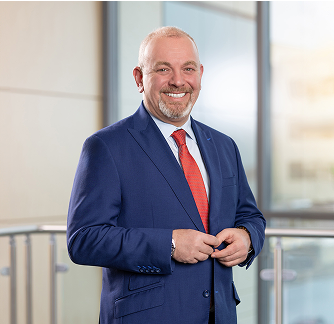
Welcome into Retire Smart Maryland. I’m your host Mike Bauer. If you’re approaching retirement or you’re already there, you know the landscape is shifting faster than ever. And joining us to help us navigate through it all is our resident expert Prashant Sabapathi. Prashant, an independent fiduciary and the president of Elite Income Advisors, also the published author of Fiscal Health, Retirement Wealth, and Retire Abundantly. Prashant, great to be with you today. Thanks so much.
Speaker 3 1:10
Hey, Mike. Good to be back. Really excited for today’s show. I know that there’s a lot to talk about, specifically with this trend of unretiring. It’s kind of a strange word. So looking forward to unpacking it because I feel like with all the interactions we’ve had in the office here, you know we got this great team of advisors here and we see so many people from our community and this idea of unretiring just keeps coming up so I figured why not do a radio program on it and so really excited to kind of dive into this today.
Speaker 2 1:41
Okay, so when I hear unretirement, I think that’s like a contradiction, right? That’s but but as you mentioned, you’re hearing about it. I’ve seen it, you know, in reports, TV, and all that stuff on the news. Millions of Americans have left the workforce and are actually heading back for one reason or another. Let’s start with the big picture there, Prashant. How widespread is this? I’m doing the radio air quotes unretirement trend, and what’s actually driving that? What’s behind it?
Speaker 3 2:07
Yeah, you know, I think it’s a lot more widespread than people would originally realize. There was this Rand Corporation study that came out that found that roughly 39 of workers over the age of 65 who were previously employed had actually retired in the past, and so if you think about that, 39% of people employed in this study had previously retired. So that’s a pretty big subset of the working population who is over the age of 65 And so, what is the key driver? I think it’s got to be cost of living, doesn’t it? I mean, every single person we talk to in this day and age is concerned about the cost of living. We saw it off of the backs of the inflation crisis in 2022, and despite what the government wants to tell us about how inflation is coming down or how inflation is “quote unquote” transitory, what we’re finding is that costs just keep going up. I mean, I was at the grocery store this past week, okay, and I try to only buy stuff that is on sale if I can, okay. Me too.
Speaker 2 3:11
I’m with $7
Speaker 3 3:12
for like, I think it was six or seven different items, you know, like, and so costs are going up. This is a serious concern for both pre-retirees and retirees. In that, if the cost of living stays high, where is my income going to come from to supplement my social security and my pension if I’m fortunate enough to have one? And I think the answer to that question for a lot of folks is: I’m going to go back to work. I’m going to generate the income that I need to ultimately try to live the lifestyle that I want to have when I get to retirement-it’s kind of a sad thing in a way, but it’s becoming more and more widespread across our population.
Speaker 2 3:52
You know, and Prashant, I love the fact that you didn’t just say oh inflation. You said cost of living because there’s so much more than just inflation. It’s you know there’s inflation, and then there’s so many other elements that impact the real cost of us living day to day. You know, everybody you know complains about gas prices from day to day, or the price of eggs, or you know, you you Google how much did a carton of milk cost a decade ago, but nonetheless, I mean, whatever direction you’re looking, everything seems to be costing more, and it’s not just inflation.
Speaker 3 4:23
Well, look, I think with the folks that we visit with, most of our clients are between the ages of 50 and 70-five years old. They’re pre-retirees. They’re retirees. They’re what I would call the millionaires next door, right? They worked for 30 or 40 years, saving their money and working really hard to accumulate what they have. They’re not ultra wealthy. They’re not, you know, 50, $100 million clients. They’re the people that have $1,000,000.02 million dollars saved, and these are the people that are feeling it the most. Right? It’s it’s not just cost of living generally. It’s cost of living in the area. That impact this subset of the population the most. So what am I talking about? I’m talking about things like healthcare. How much have healthcare expenses gone up? What about home insurance and car insurance? Those things disproportionately affect seniors who are collecting Social Security. You know, Social Security touts this big raise every year that we’re supposed to get on cost of living adjustment a couple years ago. I remember when Social Security gave people an 8.7 percent increase. You know what it felt like that year that that increase came out, Mike. People came into the office. They said, Prashant, Social Security gave me 8.7 percent. Why does it feel like the 8.7 percent didn’t actually keep up with the cost of living? And you know what the answer was? What happened to Medicare prices that year? Medicare prices went up, and so even though Social Security gave us this cost of living, the cost of the embedded health insurance expenses also went up at the same time. Now it’s just one small example, but it’s not just that cost of living is going up; it’s cost of living going up in the areas that disproportionately impact retirees, and this is why I’m a big believer that you have to structure income into your retirement plan. I’ve said this for years: the higher your income is in retirement, the better your outcome is likely to be. Sometimes the answer to higher prices is more money coming in the door.
Speaker 2 6:23
Yeah, you have to structure income into that retirement plan. If that isn’t part of your plan now, give Elite Income Advisors a call at 833-856-1387 You can go online and get your plan back on track, or keep your plan on track. Elite Income advisors.com Prashant and his team, based right here in Central Maryland, satellite office in Annapolis, of course, headquarters there in Ellicott City. For your convenience, whether you’re heading back to work, you’re unretiring out of choice. Maybe you just miss it, you know, or out of necessity because the cost of living is up. Really quick, Prashant, before we wrap things up this segment, I want to ask you about the math of unretirement in terms of things like withdrawals, social security, taxes. What goes into that thought process of somebody who’s maybe trying to avoid some of the pitfalls of adding, thankfully, another income stream in retirement?
Speaker 3 7:17
Look, we can we can maybe get to this on the other side of the break and get into some of the details here, but when from a general level, I’m a big believer in working backwards into your retirement plan. So what I mean by that is when you come in to visit with us, one of the first things my team is going to ask you is what you want your retirement lifestyle to ultimately end up looking like, and let’s break that down into what I call a monthly income target. So I’ll give you an example. Let’s just say that a client comes in, $8,000 per month is their monthly income target. That means after taxes, after inflation, we want to have $8,000 per month coming in to give us our most fulfilling version of our lifestyle. We’re going to work backwards into where that 8000 is coming from. So, how much of that is coming from Social Security? How much of that is coming from a pension? And how much of that is coming from the withdrawals from your retirement portfolio? In a perfect world, I want that $8,000 per month after taxes to be a 100% certainty for my client, whether the market goes up or down or sideways, regardless of what’s going on in the Middle East or what’s going on around the world, I want that $8,000 a month to show up for clients, and that is really what financial planning is all about: is figuring out where that income is going to come from and with what level of certainty that income is going to be there for you. So, folks, if you have unretired, if it’s on your mind, if you’re not sure where your income is ultimately going to come from to meet that quality of lifestyle that you deserve after 30 or 40 years of really hard work, you’re going to give us a call. The phone number is 833-856-1387 That’s 833-856-1387 You dial that number. Have your calendar in front of you. Schedule the no-cost, no-obligation visit with our team. When you come in to visit, it is just a conversation about your situation. We’ll help you map out how much income you’re likely to have, where it’s going to come from, and with what level of certainty it’s going to show up for you. It starts with that phone call for that free appointment with our team at Elite Income Advisors 833-856-1387
Speaker 4 9:27
When people think about retirements, most are not chasing perfection. They just want to feel more comfortable about where they stand. Maybe that means more confidence about income. Maybe it’s simply knowing there’s an actual plan in place. The team at Elite Income Advisors they help people evaluate their current strategy and look for ways to improve clarity, improve structure, also long-term planning. Call the team at Elite Income Advisors today at 833-856-1387 and visit eliteincomadvisors.com
Speaker 1 10:00
Call Elite Income Advisors today to request your complimentary retirement income strategy. 833-856-1387 Planning for retirement isn’t just about getting there; it’s about how long your income may need to last. Think about how much your life has changed over the course of 1020, and 30 years. Where you lived, the work you did, the people around you, even what a typical day looked like-it’s likely changed quite a bit over time. How much could life evolve now in your retirement years? Early retirement may look very different from later on in your life. That’s why building a retirement income strategy isn’t just about starting; it’s about creating something that can adjust along the way. Elite Income Advisors works with individuals to build retirement income strategies designed to support long-term needs, helping bring structure and flexibility to how income is generated over time. So call Elite Income Advisors today from Retire Smart Maryland to request your complimentary retirement income strategy. 833-856-1387 That’s 833-856-1387 Or go to their website eliteincomeadvisors.com
Speaker 2 11:08
Thank you so much for joining us on Retire Smart Maryland. The conversation continues with Prashant Sabapathi. Prashant, last segment we were talking about the unretirement trend, and I loved what you broke down at the end of the segment, you said, “Hey, look, you like to work backwards into retirement, working backwards into retirement, finding that monthly income target. And and I thought about, “Hey, all those years during your working years, if you’re thankful enough to get a raise or you get a new job, one of the first things you do is you look at maybe that annual number and you go, ‘All right, let me divide this by 12. So that that’s really relatable to me.
Speaker 3 11:40
Yeah, it’s exactly right. That’s why we always start with monthly income targets. So, a couple things to understand here is going back to that example. Hypothetically, client wants 8000 bucks per month, right? So, how much of that is Social Security? If you’re whether you’re an individual or if you’re married, you have to coordinate Social Security benefits together. So, one of the first things that we’ll talk about with regards to Social Security is obviously when do we collect it? Do we collect it early at 60-two? Do we delay it till full retirement age, which is going to be between 60-six and 60-seven, or do we delay our Social Security benefit all the way till 70? You know, I could probably talk for another hour, Mike, just on Social Security alone, but I’m starting to see this trend with a lot of my clients and a lot of our radio audience, our television audience comes in. I’m noticing that people are are really starting to want to collect Social Security earlier rather than delaying. Whereas when I first started my career nearly 15 years ago, the the advice felt like it was always delay your social security benefit, but we’re seeing that shift. I think there’s several reasons for that. We can talk about that a little bit later. But that being said, you combine social security benefits, you coordinate benefits together, especially if you’re married. That’s number one. Number two, you add in a pension. Okay, if you’re worked for the federal government or the state government, which more than 50% of our client base is federal, right? Like where we’re located in Ellicott City with our auxiliary office in Annapolis, we’re right in that defense corridor where there’s Fort Meade, right down the street. A lot of DoD clients, a lot of NSA clients, and so we’ve seen these federal pensions, so we got to understand how much guaranteed income we’re going to have coming in through the pensions, and then lastly, we got to look at our investment portfolios, our IRAs, our 401k’s our Roth. So one of the things that we will illustrate is how much of a gap there is in your income. So give an example. That $8,000 per month that we wanted. Let’s say social securities and pensions only make up $5,000 per month. So that leaves us with a gap in our income of $3,000 a month. So now what we have to do is we have to look at your entire investment portfolio: 401k’s IRAs, TSP, 457 and with whatever money you have saved there, we got to figure out a way to distribute enough income to close that $3,000 per month gap in the income. Once you solve that problem, folks, that takes care of the biggest issue that retirees face, which is where is my retirement paycheck going to come from? When you know exactly where that retirement paycheck is going to come from, it’s going to relieve such a huge amount of stress and burden placed on your financial plan. Because if you have all the income you need coming in, everything else just becomes a lot easier after that.
Speaker 2 14:39
So, Prashant, if we’re doing the math there, 8000 a month, 5000 from Social Security and pension. You mentioned that you know you know half of the people that you work with have that pension. For the other half, are there ways that you can help people who aren’t fortunate enough to have a pension essentially create one on their own from what they’ve saved up?
Speaker 3 14:57
So I’m a big believer in bucketing your money. This is something we talk about. If you’ve seen my television program that airs on the weekends, Retire Smart Maryland TV, you’ve probably seen me illustrate and talk about bucketing your money. Most of our clients like to maintain two or three distinct buckets of money. Bucket number one, I call it a blue bucket of money. That’s just your bank money. Okay, blue bucket bank money, money that is readily accessible anytime you need it. A lot of our clients like to keep six to 12 months of their monthly expenses in their blue bucket of money. The next bucket of money is the red bucket of money. This is going to be your investment bucket of money. So you put money in the market. Market’s going to go up. Market’s going to go down, but over time, our goal with the red bucket, the risk money, is to try to grow this money to outpace the inflation rate. Okay, if we can get into a range of seven to 10% per year average on those investments, that would be a great outcome. Can we always do that? It depends on the types of investments you have, but our goal on the red bucket is to grow your money over time. Then we introduce a third bucket of money. This is what we call your green bucket of money. Your green bucket of money is to be market protected. It should be safe so that if the market goes through a downturn, you don’t actually lose any of your hard-earned principal, but more importantly, this green bucket is there to provide you the income needed to close that income gap. Because remember the old saying on on Wall Street, Mike? It was what when it came to investments, it was buy low and
Speaker 2 16:38
sell high.
Speaker 3 16:39
Sell high, right? Sounds easy, but here’s the problem: if you put all your money in that red bucket and then the market crashes, you have two choices. Choice number one is you pull money out of the red bucket at a loss, in which case you are not buying low and selling high. You’re doing the exact opposite. Or option number two is you reduce your standard of living to not take the withdrawal in the first place, right? And I don’t want my clients to have to go through either of those situations if it is avoidable. And so, by setting up that green bucket of money, Mike, it allows us to pull money from a safe place that we know we cannot lose on, so that we never sell our investments at a low point, folks. When you don’t sell investments at a loss, that’s what allows you to get compounded growth to take the market ride, so to speak. And over time, the market has shown that it typically will go up. No guarantees when it comes to the market, but history is really powerful, and understanding how the market works over time is a really important piece of the retirement planning process.
Speaker 2 17:43
All right. So for anybody listening right now, don’t go to Home Depot and get your orange bucket or Lowe’s and get your blue bucket. Get your blue bucket, your red bucket, your green bucket, all figured out with Prashant Sabapathi and the team at Elite Income Advisors. You can give them a call at 833-856-1387 That is 833-856-1387 And you can set up that no cost, no obligation visit, complimentary, and get in with the [email protected] You know, Prashant, we’re talking a little bit about unretiring and some of the math. I want to ask you before we maybe move on to some talk about AI and and that whole that that’s a whole thing in and of itself. But specifically, if somebody starts not withdrawing from their accounts necessarily, but goes back into the workforce, is there do they need to have tax considerations in terms of if you’re you weren’t drawing a w2 and now all of a sudden you’re adding w2 income back in. Is there some considerations there where maybe you want to stay below a certain threshold, or is is there math then involved there with somebody who might be going back to the workforce?
Speaker 3 18:53
You know, I’ve always looked at this from a different standpoint, and that is from a medical background. You know, like I grew up in a medical family. Both my parents, before my mom, God bless her, passed away. She she was a practicing physician. My father still practices. My brother’s an emergency doctor at University of Maryland. So I grew up in the medical background. I think that was what was expected of me, and so somehow I ended up doing this type of work. But that being said, I think about things from a medical background all of the time, and I think to exclude the tax ramifications on your financial plan would almost be like going to a doctor who doesn’t take a full medical history when giving you medical advice. Right when you go in and and and you say, “Doc, my knee hurts, or “Doc, I think I tore my ACL. What’s the doctor going to do? They’re going to look at your entire medical history, whether it has to do with the knee or not. They’re going to figure out what you’re allergic to. Then they’re going to do a test to run probably an X-ray or an. MRI of the knee, and they’re going to do all of that before they even give you a treatment plan on the ACL, right? And so I think financial planning is very similar. You actually can’t make holistic decisions without understanding every piece of the financial plan. Taxes are a huge piece of the financial planning process. So, if you do go back to work, if you do have extra w2 income coming in, that has a tangible impact on things like your Medicare. Potentially, it has an impact on your tax bracket. It may even have an impact on your capital gains rate. And so, if you ignore it, then you could be creating inefficiencies in your plan that could cost you to the tunes of 1000s of dollars at some point in the future, and so if you’re working with an advisor who doesn’t consider taxes or doesn’t consider the cost of healthcare or doesn’t make sure that you have a rising income in retirement to offset the cost of living, I think that there is probably an inefficiency in your plan that is being left out. That is an enormous red flag, and so the more red flags you can eliminate, the more solid your plan is going to be. So I think you have to look at every single piece of it, Mike. That’s a really good question,
Speaker 2 21:12
Prashant. You now now now you remind me. I got to catch up on the pit. I’m behind. I love that show. I got to catch up and watch the pit now. So now now I’ve that’s on my. Yeah, you know my wife
Speaker 3 21:21
is actually in medicine too, and she’s from Pittsburgh, so she’s obsessed with the pit. I haven’t gotten into it just yet, but it’s definitely on my list.
Speaker 2 21:29
Well, let’s put it this way: you, based on your family and your background and your lovely wife, are probably going to understand a lot more of what they’re talking about than me, because I, for most of the part, most of the time, I have no idea what they’re talking about, but it’s still a great show.
Speaker 3 21:44
It’s still entertaining, yeah. It is. It
Speaker 2 21:46
is. Well, and hopefully this show is entertaining. You’re listening to Retire Smart Maryland. I know I’m entertained and educated by Prashant Sabapathi of Elite Income Advisors. You know, and and we’re we’re we’re breaking down your retirement. And one thing I want to ask you about is, you know I was just thinking about the pit, so I’ve got to I got to go and I got to Google and find out which episode I’m at because I forgot my wife and I are watching it together and we’re at different you know different episodes, so if I’m going online and I’m googling, I’m sure that’s a lot of thing that’s something that a lot of people do for their retirement too is just go go to Google or or Chat GPT or one of the other clawed AI things, or something like that. So I want to ask you, in terms of, and you know, to even bring it back to medicine. I mean, that’s the first thing we do anytime we’ve got some sort of physical malady is we ask Doctor Google and WebMD. And have you found that people are starting to do that to maybe triage their own retirement situation?
Speaker 3 22:40
I think it’s one of the the coolest things about the advancement of technology is that AI is a phenomenal assistant for organizing chaos. Okay, but with that being said, I I think you must never confuse information with wisdom. Okay, a machine can generate spreadsheets in seconds, but it can’t understand fear. It can’t understand family dynamics, health issues, or the emotional weight that having to deal with your life savings can carry. And so, the danger here is what I call silent drift. Right? It’s this idea that your portfolio tax strategy withdrawal plans slowly become outdated. Like, have you ever asked a question to AI, Mike, and then asked the same question three months or six months later,
Speaker 2 23:34
and you get a different answer, or you have to correct it? Yeah,
Speaker 3 23:37
exactly. Right, and so AI is a great tool for aggregating information, but AI on its own is not good enough to create a retirement plan that understands the emotional side of investing, of the burden of outliving your life savings. Potentially, folks, that’s what we’re going to help you do. Bring in everything that you found in found on the internet and through AI. Bring in all the information, let’s create a comprehensive and coordinated plan that makes sense for you. That phone number again. Have your calendar ready to schedule that free, no-cost appointment, no obligation. 833-856-1387 That’s 833-856-1387
Speaker 2 24:17
And you can always go online to eliteincomadvisors.com Schedule that complimentary, no cost, no obligation first visit. It really, it’s just a meeting. It’s a conversation. And if you want to ask ChatGPT or AI, just ask them like what documents you should bring to meet with a real human being in in Prashant. And you know, Prashant, I’m sure that you’ve sat there and you’ve had conversations with people and you’ve seen their reaction. You ask them a difficult question, and there’s either a smile on their face or their shoulders dip down. And that’s something you’re never going to get from any amount of information on the internet. The wisdom of actually sitting down with somebody who knows how it works. Give the folks at Elite Income Advisors a call, as Prashant said: 833856 1380-seven or EliteIncomeAdvisors.com.
Speaker 4 25:07
Call the team at Elite Income Advisors for your free portfolio review and risk assessment at 833-856-1387 You know the market feels a lot different when retirement starts getting closer. When you’re younger, a bad market year feels annoying. But when you’re thinking about retirement income, it can feel very, very personal. A lot of people right now are wondering if they’re taking too much risk or if their investments are really lined up for this stage of life. That’s why the team at Elite Income Advisors they offer a free portfolio risk report and a protection review to help you understand where you stand, call Elite Income Advisors today at 833-856-1387 That’s 833-856-1387 or visit eliteincomeadvisors.com
Speaker 1 26:04
Think about how much has changed over time. Cars have evolved. Technology has advanced. The way we live, work, and commute looks very different than it did even a generation ago. Retirement solutions have changed too. Does planning your retirement sometimes feel like you’re playing checkers in a video game world? Investments have improved. Timelines have moved out further. Today, retirement can last decades. At the same time, factors like inflation, taxes, and healthcare costs also play a bigger role over time, adding new layers of complexity to the decisions you have to make. What worked years ago may not fully account for the challenges and opportunities you face today. That’s why having a strategy built for today’s retirement environment can make a difference. Call Elite Income Advisors today to schedule your complimentary retirement income review. 833-856-1387 Elite Income Advisors works with individuals to build retirement strategies that reflect these long-term changes, helping bring structure to income, taxes, and overall financial planning. Call Elite Income Advisors today to schedule your complimentary retirement income review. 833-856-1387 That’s 833-856-1387 or go to their website eliteincomeadvisors.com
Speaker 2 27:23
Welcome back to Retire Smart Maryland with Prashant Sabapathi. You know, want to continue the conversation. We opened up the door to AI, which is something I’m sure a lot of our listeners have done. Right, a lot of people have probably opened up the door, have dabbled. What is this all about? A little bit, but one of the things, and you may have seen this because you’re in the know, you’re plugged in. But this just came across, you know, my desk, if you will. But OpenAI, which which runs ChatGPT, they announced that ChatGPT can now directly connect to your bank accounts, you know, to help you out with spending analysis and retirement planning, and that’s all well and good, and it’s a big help. But Prashant, I want to ask you the big question: Are are we actually are we actually comfortable with that from a security side of that? I mean, I I don’t even like it when my phone saves my password and connects my face to it,
Speaker 3 28:09
right? Or how about the one where you’re just talking to your friends about X, Y, and Z, and then you open up Facebook or Instagram, and the next thing you see is a targeted ad, right? Like you got to be careful with this stuff. It’s great that they can use the data to help you out, but let’s be real about why they want the connections, right? It’s it’s all it’s very scary to think about. So, my opinion: people need to be very, very careful not to overshare with technology because all of these AI engines are run by really big, huge, giant corporations that are data mining. At the end of the day, that’s how the AI models get better and better: is by aggregating more and more data. And so, unless you have total and 100% transparency into how they’re storing and using your information. I would be very, very, very careful about security and privacy. I think the other thing here is there’s almost I would consider to be a dangerous sense of overconfidence when you let technology do all of the work, okay, AI might be able to tell you what can happen or what all the different outcomes could be, but I really think talking to an individual who has experienced it with other clients in similar situations to what you have is really important as well because it’s something that I call the power of perspective. Right? It’s like if we’ve counseled however many hundreds of households through retirement, if nothing else, it gives us the power of perspective to see what has worked for other people and what hasn’t worked. For other people, and that is what I would call real wisdom that you can then pass on to the folks that you’re talking to. So AI is powerful. I use it myself in a lot of areas in my life, but when it comes to the biggest decisions in my life, things like my health, my family, my money, I don’t know that I let AI take the reins 100% on that type of decision making.
Speaker 2 30:26
Yeah, I mean handing over your life savings to an algorithm that that doesn’t sound like a great a great decision as far as I’m concerned. Schedule a time to sit down and and and meet with a team at Elite Income Advisors, get a written comprehensive retire smart roadmap, 833 833-856-1387 833-856-1387 You can always go online to eliteincomadvisors.com Schedule that no cost, no obligation first visit. Prashant, I want to ask you just just just you and me here. You said you use AI. What do you use AI for? Because I’m like I’m my wife and I planned a trip for the family earlier this year. We took our our young daughter on a Disney cruise for the first time, and so I helped it. You know, I asked it to help me find the hotel and book. You know, and look for the flight deals. So I mean, I dabbled a little bit with finances there in terms of money I was looking to spend and ways to save. But I know I’m not connecting my account to it. What do you use AI for?
Speaker 3 31:25
So just two things off the top of my head. I’m doing a little bit of a basement remodel right now, and instead of hiring an interior designer to do it, I took pictures and I asked it to give me five unique ideas for how we could redo the bar in my basement. Right, and then I took all of that, took it to a contractor who is going to now get the work done for me, right. So that was a really cool way to use AI. I think another thing is I was having a problem with one of those smart thermostats in my house where the sensors were two different temperatures. So I asked AI what the most reasonable solution is to fix my temperature HVAC problems in my house, and it actually solved it like in two seconds. It was great, and so yeah, I think things like that is is fantastic. But when it comes to the security, especially when like if you have a bank account security problem or an investment account security problem-it’s your life savings that we’re talking about, right? Like, are we willing to put our life savings without any kind of understanding of what these giant corporations are doing with our data? Are we willing to put that in the hands of a multi-billion, if not trillion-dollar conglomerate? Like, I think that’s a scary thing to go through, especially with how much information is already out there, right? Like with your credit cards and everything else. I think you got to be really careful. I’m not saying AI doesn’t belong or that it doesn’t have its place. I’m not even saying that 10 years from now that it won’t be the predominant way that we work through planning financially, I just think at this early of a stage you just have to be so careful. And I think, for better or for worse, I treat everything with a certain level of skepticism.
Speaker 2 33:12
All right. So the the first thing when I ask you, hey, do you know you use AI? The first thing that popped in your head, and I love this for our listeners that this is a great connection we can make. You said you’re working on a basement redesign. You went through. You took the pictures. You know. You you you figured it all out. But then, what was the next thing you did? You took it to a contractor. You didn’t start knocking down walls yourself, Prashant. That’s that. That’s exactly what I think is. You know, in terms of people looking at their retirement, there you’re the contractor in this situation, in this equation.
Speaker 3 33:42
Yeah, and you know what? You know what’s really interesting. When I took it to the contractor, you know what he did? He pointed out everything that didn’t make sense about this remodel. So he said, you know, we got a water line here that we can’t knock this wall down. We got if we want to put an ice maker into this bar, this is how we have to set it up. Here’s the type of sink I would use. Here are the cabinets that you have the option. It’s no different than building a portfolio, right? You might think that your portfolio should have 80% equities and 20% bonds, but what types of equities should they be? Stock should they be U.S. based stocks? Should they be internationals? Should be targeted in any specific sector of the economy. Should we be using things like gold and silver in our portfolio? Does your portfolio have room for a principal protected annuity that guarantees you income for life? Right. Like I think all of that depends on your situation, your dreams, your wishes, your goals, and just like my basement remodel, I think you’re exactly right. If if I had said something different and had a different vision for it, I would expect that the contractor would give me a different way to accomplish the solution that I wanted to get to. So I think it’s a really good analogy. And use AI. I think. Should use AI. Just make sure that you are double checking it with a professional that has experience in doing the work.
Speaker 2 35:07
I mean, how many times have you put something in, you know, into AI, and you think you’re getting the right answer, and all of a sudden you, you know, oh, by the way, the you know the X Y Z, and it’s and it’s two years old information. So make sure to actually you know, talk to somebody. The
Speaker 3 35:22
other thing I just was thinking of is what happens if you trust AI totally and it doesn’t work out. Who are you going to hold accountable for it at the end of the day?
Speaker 2 35:31
Yeah, what you’re probably going to ask another AI and then just get them to fight each other. Yeah,
Speaker 3 35:35
exactly right. So I think being able to do routine maintenance on your plan is really important as well. Just as you go visit the doctor every year. That being said, you can’t hold the AI accountable if it gives you wrong information and it doesn’t work out right. So make sure you’re double checking it with a pro.
Speaker 2 35:52
As Prashant Sabapathi says, don’t confuse information with wisdom. Technology it can organize your data fast, but it can’t give you human wisdom or talk about the emotions, or or help you work the emotions out of the equation of major life transitions for real educational first financial guidance. Call Prashant and the team at Elite Income Advisors 833-856-1387 You can always go online to Elite Income advisors.com I don’t want to get too deep here into you know your you know into a visit with you, but I’m sure that something that no AI chatbot can ever figure out is actual human emotion, and you get that when you’re sitting there with somebody. I referenced it briefly earlier in the show, but I’m sure you’ve asked difficult questions, maybe the ones about estate planning or legacy planning that are are tough, real world, necessary questions, and you’ve seen people maybe say one thing, but look at their spouse, maybe their shoulders drop, maybe a smile perks up, and that’s something that you can only get from the wisdom of meeting with somebody in person like you. I
Speaker 3 36:58
think it’s a great point, and I think there’s so many things that people don’t consider, not because they don’t want to consider, but just because their advisor, or if they’re a do-it-yourselfer, someone’s just never brought it to their attention before. And so, when you come in to visit folks, by the way, you are not agreeing to become a client. Okay, and by the way, I’m not agreeing to take anybody as a client. All we’re doing is we’re just going to have a conversation about the top things that are important to you. The most common frustrations we see with folks that come in to visit is they don’t feel like they have a real written plan in place. B. They’re not sure if they can withstand another down market if the market crashes. C. They feel like if the cost of living stays high, they won’t be okay. And then the last thing that we’ve been hearing a lot lately is what happens if my income tax rate in retirement goes up a lot more than whatever I expected. If you can relate to any of these concerns, all you’re going to do is pick up the phone, give us a call 833-856-1387 Schedule that no-cost, no-obligation visit. Come into Ellicott City or Annapolis, or schedule a virtual consultation on Zoom. Let’s talk about your situation and figure out whether or not we’re even the right match to help you through it. Starts with that phone call 833-856-1380-seven or visit EliteIncomeAdvisors.com.
Speaker 4 38:24
Call the team at Elite Income Advisors for your free written income plan right now 833 850-613-8071 of the biggest fears people have about retirement-it’s pretty simple: running out of money because retirement today could last 20-five or even 30 years, and people wonder all the time whether their savings will really support them throughout all those years, including the healthcare costs and everything else that life throws at you. The team at Elite Income Advisors they help people create income-focused retirement plans designed to help bring more confidence and clarity to the future. Call the team at Elite Income Advisors today 833 850-613-8071 more time 833-856-1387 or visit Elite Income advisors.com
Speaker 1 39:14
Call Elite Income Advisors today to get your free Social Security and retirement income review at 833-856-1387 when you take Social Security can affect more than just when the checks begin. You’ve paid into Social Security for decades, so how do you know when to take it to get the most out of it? On the surface, it may seem like an easy call, but your benefit amount can vary depending on when you claim. If you’re married, your decision could affect your spouse as well, and depending on your overall income, a portion of those benefits may be subject to taxes. So it’s not just about picking a date; it’s about how that decision fits into your overall retirement income plan. How will Social Security work alongside your other accounts, your investments, not just today, but years down the road? These are the kinds of decisions that can better. From a coordinated approach, Elite Income Advisors and Retire Smart Maryland works with individuals to evaluate Social Security timing and the strategies as part of a broader retirement plan, helping bring clarity to how these pieces may fit together. So call Elite Income Advisors today to get your free Social Security and retirement income review. 833-856-1387 That’s 833-856-1387 or schedule your time at their website eliteincomadvisors.com
Speaker 2 40:32
Thank you so much for listening to Retire Smart Maryland. I’m Mike Bauer. I’m joined by Prashant Sabapathi of Elite Income Advisors. You can find them [email protected] I always love when you get a good website like that. Eliteincomadvisors.com for elite income advisors. I want to. I want to go way back into the way back machine here, back into the 90s when all those great websites were available and everybody could get them, and you didn’t have to mess with a .gov and all that stuff. But let’s go back into the ’90s when this thing called the 4% rule came into play, because I’m sure many of our listeners have heard about this, Prashant about the 4% rule. You know, it’s the gold standard of retirement planning. But man, so much has changed since the ’90s when this thing came to play and became you know popular or at least a rule of thumb that people use to plan their retirement.
Speaker 3 41:22
Yeah, it’s kind of interesting. This whole thing came about around 1994, and so just the premise of it is that you would calculate whatever the balances in your retirement accounts was at the time of retirement. Let’s just say hypothetically it was a million bucks. You’d multiply that number by 4% You’d adjust the withdrawal each and every year for inflation. So in the first year, be roughly $40,000 The next year, you’d just increase that by the inflation rate. You’d allocate your portfolio 50-50, so 50% stocks, 50% bonds, and what you would find is that you’d have a really good shot of just not running out of money through your retirement. I think the interesting thing, though, is that the world looks totally different than it did back in 1994. And so, what’s different? People are living longer. Number one, okay. Like if you if you retire at 60-two, your money might actually need to last 30-five or 40 years into retirement, not just 30 years, which is what this 4% rule was modeled upon. I mean, shoot, my my grandmother turned 100 years old in April. Like we threw the whole party and everything, but she’s 100 years old and she’s still kicking. She’s doing great, right? Like we’re seeing more often people live longer, and so that kind of blows this 4% rule up a little bit. That’s number one. Number two is that cost of living, as we’ve been talking about this entire show, is higher, and real wages are lower, right? So as you get to retirement, the dollars that you actually save feel like they are not going quite as far. And so, think about this: you saved a million dollars hypothetically. If you were to follow the 4% rule and only withdraw $40,000 for the year, is that 40,000 actually enough by the time you pay taxes on it? By the time you adjust it for cost of living, is that withdrawal enough to supplement your Social Security to actually live the the life that you want to in retirement? I’d say most people that looking at that would say absolutely not, absolutely not. Which means you really only have two choices, don’t you, Mike? Choice number one is reduce your standard of living to make the $40,000 work, or choice number two. If you’re following the 4% rule, make sure that your portfolio is a heck of a lot bigger than what it is today, so that when you multiply it by 4% it gives you the standard of living you want. But what’s the problem with that? In order to get a bigger portfolio, I either have to take more risk and get a higher rate of return, or I got to work longer in order to accumulate more, and that defeats the purpose of trying to retire in the first place.
Speaker 2 44:09
Right, which
Speaker 3 44:09
goes back to this whole idea of unretiring, like we were talking about in segment one. So very interesting dynamics going on here. When we look at it, we just think there has to be a better way. There has to be a better way to do this,
Speaker 2 44:22
and thankfully Prashant and the team at Elite Income Advisors can help you find that better way. For anybody just tuning into Retire Smart Maryland, we’re kind of exposing why a one size fits all, a fixed retirement assumption from 30 years ago is just maybe a little bit outdated. Hey, look. The closer you get retirement, it’s not about return on investment. It’s about reliability of income, right, Prashant? That’s that’s something that you’ve said so many times for our listeners to find out how much your income in your portfolio can safely generate. Give Prashant and the team at Elite Income Advisors a call: 833-856-1386 You can schedule a no cost, no obligation first visit. It’s really just a conversation online at eliteincomadvisors.com. All right, so Prashant, I had to Google this because you mentioned the 4% rule, 1994. We’ve got the World Cup in the U.S. now going on this year. That was the last time the World Cup was here. It was back in 1994. OJ was in a white Bronco. The attack on Nancy Kerrigan at the Olympics, and oh by the way, Jeff Bezos, a young upstart business guy with a crazy idea, founded something called Amazon as an online bookstore in July of 1990-four So think about how different life was back in 1990-four So you’re not going to be using a rule of thumb from back then.
Speaker 3 45:42
Yeah, I think that’s a great point. Just look at what how markets are different, right? Like back in 1994, you wanted to make a trade in your account. What do you have to do? You got to go call the broker, yeah, and make them put the trade in for you, right? Like now you could do it from your cell phone in two seconds. You can make a trade if you wanted to, and what’s interesting is how markets move. I think this is one of the biggest financial changes that we’ve seen probably in the last 20 years is how quickly markets react, and why is that? It’s because we have access to information in a way that we’ve never had before. I mean, somebody sends a tweet, depending on who the person is, tweet comes out at 10 a.m. Markets look totally different at 1001 than they did at 959 right? And so, with that being said, I think it’s just so interesting. You don’t want to be stuck using outdated strategies, and so that’s why I think you have to create a comprehensive and coordinated plan that is adaptable on an ongoing basis. Because here’s the reality of it: you might come in, we might find that we are a great fit, and we might end up working together. But the plan that we put together for you today is never going to be the plan that you end up with 20 years from now. And why is that? The world will change, your life will change, the strategies will change, interest rates will change, and most importantly, the stock market will change. And at some point in time, it will demand that we adjust your portfolio to reflect the world that we live in against the objectives and the goals that you have, and so you just got to get started. Just start now. Look, I’ve I’ve always been a Nike guy my whole life, right? And Nike is all about what? Just do it, right? Just do it. And sometimes that’s all you have to do is just make that one phone call, set that appointment, come in to visit. Let’s figure out where you stand and whether or not you’re on the right track and whether we’re even the right fit to help you through it.
Speaker 2 47:46
And you can reach Prashant and the team at Elite Income Advisors 833-856-1387 That’s 833-856-1387 And you can schedule that first visit. The first real. It’s really a conversation with Prashant and the team at Elite Income Advisors, EliteIncomeAdvisors.com. All right, what does it look like if somebody listening right now says, “Hey, I got to start today” What does that look like for them when they pick up the phone, they call, and they get in and meet you for the first time, Prashant?
Speaker 3 48:14
So we have a whole team here in the office. They’re ready to schedule you for that initial consultation. So when you come in to visit, like you said, Mike, it’s just a conversation. We’re going to talk about the things that are most important to you. But in that first visit, as a result of getting to know us and us getting to know you, we’re actually going to start the creation of your financial plan. We’ll do that in that very first meeting. So the couple things we’ll go through number one. We’ll start to create your income for life plan. It’s effectively a roadmap that will help you map out your income every year for the rest of your life. We’ll take into account things like social security optimization. We’ll take into account pensions. We’ll take into account the income that you need to generate from your 401k IRA TSP to close the gap in your retirement income when we compare it against your monthly income target. We’ll also talk about bucketing your money, safe money versus risk money, red bucket, green bucket, as well as liquid money, blue bucket in the bank. We’ll have all those conversations, and then at the end of our first visit, we’ll set up a second time for you to come back, where we can analyze your investments, your Social Security, your plan. And for that second visit, when you come in to visit with us, we will go through the entire plan A to Z. We’ll look at it on the 80-inch TVs that we have in every one of our conference rooms, and at the end of our second visit, we’ll decide together whether or not we should even work together. What I found, Mike, is that about four out of every 10 people that come to visit with me, I find that they’re a really, really good fit for us, and we’re a good fit for them. Because the fit has to be mutual. I don’t want anybody in our radio audience to work with an advisor that they don’t feel is 100% the right match. So that’s what this process is all about. You pick up the phone, you give us a call 833-856-1387 Schedule that appointment in Ellicott City or Annapolis, or you can schedule it virtually. Come on in. Let’s talk. Let’s find out whether we’re even the right match. You can also visit eliteincomadvisors.com. It’s a great resource website for you. We have an education center on the website. Give you a ton of great resources, different articles for you to look at. You can catch our TV shows on demand. You can catch the radio programs and podcasts on demand. Great opportunity for you to check
Speaker 1 50:44
us out
Speaker 3 50:44
and schedule that appointment online as well.
Speaker 2 50:47
And we are wrapping up another powerful hour of Retire Smart Maryland. Prashant just pointed out where you can hear, you know, hear and watch all that great stuff. Talked a lot, covered a lot of ground today, and really, Prashant, I think it ultimately, to me, comes back to the foundational framework. It’s all about money in versus money out, and building that income plan-not income while you’re working, but income creating that for yourself when you’re in retirement. Prashant and the team at Elite Income Advisors have that perspective, have the wisdom. It’s not just information. We talked about AI, right? Information’s great, but wisdom is even more powerful. And they have the wisdom, having helped over 1000 people in Central Maryland transition seamlessly into retirement. No high-pitched sales pitches, no big-box retailer models. Independent advisors sitting down, meeting with you. Call the team at Elite Income Advisors 833-856-1387 or go ahead and schedule that first visit online at Elite Income advisors.com Rashant, thank you so much for sharing your expertise with us today, and we’ll see everybody next week on Retire Smart Maryland.
Speaker 1 52:00
Call Elite Income Advisors today from Retire Smart Maryland and schedule your complimentary retirement review. 833-856-1387 That’s 833-856-1387 Or go to their website, Elite Income advisors.com
Speaker 4 52:28
Annuity guarantees are subject to the claims-payability of the issuing insurance company. If you withdraw money from or surrender your contract within a certain period of time after investing, the insurance company may assess a surrender charge. Withdrawals may be subject to tax penalties and income taxes. Persons selling annuities and other insurance products receive compensation for these transactions. Products are subject to fees and additional expenses. Any comments regarding safe and secure investments and guaranteed income streams refer only to the fixed insurance products. They do not refer in any way to securities or investment advisory products. Information presented on this program is believed to be factual and up to date, but we do not guarantee its accuracy, and it should not be regarded as complete analysis of the subjects discussed. Discussion should not be construed as an offer to buy or sell, or a solicitation of an offer to buy or sell the investments mentioned. Professional advisors should be consulted before implementing any of the strategies discussed. Investments involve varying degrees of risk, and there can be no assurance that any specific investment or strategy will be suitable or profitable for a client’s portfolio. Investment Advisory Service is offered through Elite Income Advisors Incorporated, a registered investment advisor located in Ellicott City, Maryland. The firm only conducts business in states and jurisdictions in which they are properly registered or exempt from registration requirements. Registration is not an endorsement of the firm by securities regulators, and does not mean the advisor has achieved a specific level of skill or ability. Content should not be viewed as personalized financial advice. Insurance and annuity products are sold separately through Retirement Planning Services Incorporated. Neither firm is affiliated with or endorsed by the Social Security Administration or the IRS. Social Security, Medicare, pension, and tax rules are subject to change at any time. Insurance and annuity products are sold separately through Retirement Planning Services Incorporated. President Ozer Culhagil, Prashant Sabapathi, and Jonathan DeFeo receive commissions for the sale of insurance products as insurance agents for Retired Planning Services Incorporated. Insurance annuity product guarantees are subject to the financial strength and claims paying ability of the issuing insurance company. Morgan Patrick is not a client of or affiliated with Elite Income Advisors. However, he has a financial incentive to promote our services because he was compensated for his work on Retire Smart Maryland. The program is the production of Elite Income Advisors.