Speaker 1 0:02
Most of the financial articles you read are about the importance of saving for your retirement. Now, saving is important, but saving alone isn’t always enough to retire successfully. Retirement has a lot of moving parts, and we’ll break it all down today on Retire Smart Maryland Radio.
Speaker 2 0:22
Welcome
Speaker 2 0:22
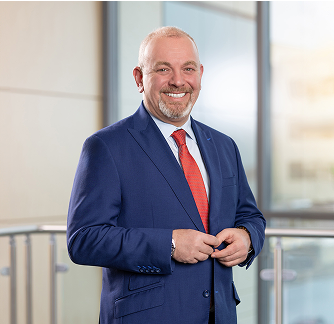
in to Retire Smart Maryland Radio with Prashant Sabapathi. Welcome in to Retire Smart Maryland Radio, your host Prashant Sabapathi. Elite Income Advisors, where you can find him. Great resource website, easy to remember, Elite Income advisors.com Prashant is an independent fiduciary. He’s also a published author, couple of books to his credit: Physical Health, Retirement, Wealth, and Retire Abundantly. And again, Elite Income Advisors, headquartered Ellicott City Satellite Office, for your convenience in Annapolis. I’m Morgan Patrick, and it’s always retirement discussion. We’re going to dive in to some AI discussion here in just a second, but Prashant, how was your week, bud?
Speaker 1 1:06
Week’s been good, always busy, and I’ll tell you what, just with all the anticipation that is a leading up to the election, that’s number one, and number two is the Federal Reserve has been in the news a lot in the last couple weeks here, and so just the anticipation surrounding the Fed and the Fed decision recently has been making the phone ring, so to speak, mostly from the people that watch us on TV and listen to this program on the radio and podcast every week, so it’s been fun getting to see some new people around the office, getting people in to create retirement plans, but I’ll tell you what, this is busy season for us. So, what I’m finding is that finding appointment times on the calendar are starting to get more and more scarce as people head into their Q and year-end planning. So,
Speaker 2 2:00
yeah, I was just going to say we’re going to give you an opportunity to get on the calendar that, again, space is limited, so if you get an opportunity to grab an appointment, just do it and feel better about, you know, your path to retirement. There’s so many of you out there that have, you’ve saved really well in your working life, and you’ve got retirement on your horizon, but you don’t have a plan, this would be a great opportunity for you to jump on the calendar. And then you know the other part of it would be you’re halfway down the path, you’re working with somebody, maybe an advisory group, but you’re frustrated. Grab one of these appointments, you can get a second opinion. Nobody says you’re married to your current advisor, and I tell you what, as a fiduciary, Prashant will take a look, and if you’re okay, he’ll tell you you’re okay. But the opportunities to jump on the calendar coming up, we want to get into some AI discussion again. When you think about it, people are looking for ways, they’re trying to get educated, they’re trying to find out more information, and AI is everywhere, Prashant. We use it in almost every phase of life. Now it’s happened very, very quickly. And again, it is artificial intelligence. You ask it a question, it’ll give you an answer. And there’s so many different forms of it. Now, Carrie Hannon is senior advisor to finance at Yahoo, and spent some time with AI and found some pretty good information.
Speaker 3 3:20
It’s not specific recommendations. You can ask dumb questions. It’s a good starting point for financial education. I love AI as really a place to get started, but I still say get that advisor to hold your hand, talk about your dreams, bring that emotion into it. That’s what it’s all about.
Speaker 1 3:37
Hold your hand, bring that emotion into it again. Prashant, just your thoughts on AI. I know you’re inundated with questions, as we are too. I think AI is going to be a huge piece of our society moving forward, and I agree with what we just heard in that clip. I think AI is a great tool, but that’s all it is. It’s a tool to help you get on the right path. I don’t think AI is a substitute for the human interaction that comes along with dealing with something as important and as emotional as your money, right? And so I think a lot of people still, in this day and age, want to have a human interaction when they’re talking about their very most precious assets, whether it’s their money or their health or their family. I think having human interaction is extremely important. That being said, I think AI will have its place. I think it’s already started to have its place in how people think about planning, not just financial planning, but planning in all aspects of life, and so I think we would be silly, everyone would be silly to disqualify it as one arrow in our quiver, so to speak, to help us with future planning, I mean it’s. It’s a good resource, you can bounce things off AI, and then you go, you meet with your advisor, your fiduciary, and you have those types of conversations, but let’s just talk about, you know, that personal touch, the hand holding as you move to and through retirement, that confidence that you have, it’s about creating a financial game plan, and you’re doing it with your advisor, yeah, and creating that game plan, I think, comes down to, you know, kind of looking at a couple different finer points. Number one, you want to assess your current financial situation, which is effectively creating a summary of your assets, your liabilities, all the sources of income that you have, and of course, your expenses. The next thing is setting realistic retirement goals. I think that you have to plan with the end in mind. We say it on the show almost every single week. You should have something that you’re working towards, so determine what your desired lifestyle is going to look like in retirement, but more importantly, what that lifestyle is going to actually cost you, and break it down to as specific of a number as you can possibly make it, meaning if you want to travel, if you want to volunteer in the community, if you want to be able to spend time with your grandkids, try to translate that to some sort of monthly expense number that you can then plan for, if that number is $7,000 a month, at least you know that you have to create a plan that allows you to create $7,000 a month of reliable paychecks, even when you stop working, and that really comes with developing a spending plan. Then the last couple pieces of this, invest wisely, oftentimes we recommend doing that with the help of a fiduciary, and then review your plan and adjust your plan regularly and periodically to revisit it for account changes, market changes, life changes, market fluctuate fluctuations, like I just said. So, a lot of moving parts to this whole thing that we have to coordinate as we’re going through the planning process. I mean,
Speaker 2 7:03
so, so important again to have that confidence as you move towards your retirement date. We’re going to give you an opportunity to get on the calendar at Elite Income Advisors, and these are complimentary appointments. Again, the number to call is 800-653-8404 that’s 800-653-8404 and get that Retire Smart roadmap put together, but as we have already discussed, this is busy, busy, busy time, so jump on it, grab one of these complimentary appointments for our radio listeners, exclusive to you, 800-653-8404 So, crafting your plan, you got to create that financial game plan, you got to put health care and long-term care in there, we get so focused on the excitement of being retired in the go-go, Prashant, but really you got to take a look at the long term, because we’re living longer and we’re gonna have to pay for that, and we’re gonna have to care for ourselves.
Speaker 1 7:54
That’s exactly right. I was actually looking at Fidelity’s latest annual retiree health care cost estimate study, which dates back to 2023 and that study, really interesting, indicated that a 65 year old who was enrolled in Medicare parts A, B, and D will spend an average of approximately $157,500 after taxes on out of pocket health care and medical expenses during their retirement, and then that average for a couple of the same age is estimated to be about 315,000 Morgan, that is so much money to have to account for, and I think a lot of people do not do that. I want to get into some of the other bullet points on the other side of the break, but before we get to the break, we open up our phone lines, it’s 800-653-8404 It’s 800-653-8404 If you have not yet considered how to properly build a financial and retirement plan, if you’re not sure about health care in retirement, pick up the phone, give us a call. You’ll be able to book a complimentary, that’s free appointment with our team of specialists. Just come in and talk about it. You’re not agreeing to become a client, you’re not agreeing to do business. What you are doing is having a confidential and complimentary appointment to get your retirement plan on track. 800-653-8404
Speaker 2 9:14
As Prashant indicated, when we return on Retire Smart Maryland Radio, we’ll talk more about crafting your plan. Yes, AI is there for you, but again, the advisor, the fiduciary, helping you along the way is key. That’s coming up next. Back on Retire Smart Maryland Radio, hosted by Prashant Sabapathi, Elite Income Advisors, where you can find him. Two office locations headquartered: Ellicott City Satellite Office in Annapolis for your convenience. I’m Morgan Patrick, and it’s always retirement discussion. Prashant is independent fiduciary. He’s also a published author, Physical Health, Retirement Wealth. First book, and the second book, Retire Abundantly, and it’s all about educating you on the process of retirement planning, the importance of having that roadmap to get you to and through your retirement. We started off the program talking about artificial intelligence, and how that is a nice assist for literally everything, I mean, you can type in whatever you want into AI, and it will give you suggestions. It will print it out for you, and you can see it. But when it comes to retirement planning, having, you know, flesh and bone, having a relationship, having a partner, someone that’s going to hold your hand to and through your retirement stages, I mean, that gives you the confidence. We’ve talked about how you craft that plan, creating the financial game plan to begin with. Do that with your fiduciary plan for health care, long term care. We just talked about health care in segment number one. Long term care is another aspect, and just looking at Maryland, just looking at the Washington DC area, Prashant, you can tell us firsthand when it comes to long-term care, it can get pricey, so you better plan for
Speaker 1 11:09
it. That’s exactly right. I’ve shared the story about my mom several times on television and on the radio program, and by the time my mom passed away, it was $10,000 a month, is what we were spending just on in-home care, as she was diagnosed with dementia, and we were dealing with that for eight years before she passed away, and so I think the question is, Are you 100% certain that you won’t find yourself in a situation where you have to go to a nursing home, or you have to deal with in-home care, or going to an assisted living. If you’re 100% sure of that, then you don’t need to do the planning, but if you’re anything less than 100% sure that that you know won’t happen to you, where are you going to come up with an extra six 810 $1,000 a month, because the other thing we have to remember, Morgan, is that $10,000 a month is what we paid as a family, but that was today’s dollars for most of the people listening to this show. Great point, you’re not going to need the long term care in the next one year or the next three years, you’re likely to need it, if at all. You’ll need it 1015, 20 years down the road. And so, after you factor in inflation and rising costs, it’s not just, how do I supplement $10,000 a month, but how do I supplement 15,000 18,000 $20,000 a month to fund our long term care, and I think sometimes it’s an overwhelming thing for people to think about. I mean, I’ll be honest with you, it’s an overwhelming thing for me to think about in helping my own clients plan, because $20,000 a month is such a big number, but with proper planning, it’s actually a lot more attainable to deal with something like that than people even know about, and oftentimes what it takes is just getting educated on what the available solutions are, and by the way, there’s newer solutions out there where you can protect yourself for long term care without actually buying long term care insurance. It’s a newer concept, does not work for every single person out there, but for a lot of people it’s a great tool to protect yourself against nursing care expenses in the future.
Speaker 2 13:37
I mean, we’re talking about just crafting your plan and all the different things that need to go into the recipe that is going to be your retirement, and again, these opportunities, these appointments that we make available are complimentary. You can ask these types of questions if you’ve got concerns about health care, long-term care. Get on the calendar and ask these questions, easy to do it, grab one right now, 800-653-8404 that’s 800-653-8404 These are no cost, no obligation, there’s no pressure. The Retire Smart roadmap put together for you, you can ask the questions that you have, and you will get those answers. So, again, craft in the plan, create that financial game plan, take a real good look at health care and long-term care costs, and then options on how you’re going to cover those costs as you move towards your retirement and through your retirement. And now we get to this next one. When you’re crafting the plan, Prashant, Social Security benefits, how you claim them, where is it going to fit into your overall plan? This is a thing.
Speaker 1 14:43
It absolutely is a thing. Social Security is oftentimes a relatively significant part of your retirement income plan, and where your paycheck is going to come from once you stop working. And so there’s three things to consider. Number one, you want. Understand the impact of your claiming age, whether you’re going to collect at 62 as early as possible, maybe you’re collecting at full retirement age, for most people that’ll be 67 or maybe you’re going to delay till 70. You should understand with some level of precision what the difference is between those options, and I’m talking about that over the course of your lifetime, not just by looking at your statement and seeing what the difference in your monthly payment is. So that’s number one. Number two is you have to consider your life expectancy and your financial needs. You want to weigh the pros and the cons of claiming early versus delaying. And then number three, if you’re married, you have to be able to coordinate your social security with your spouse’s social security benefits. Develop a strategy that actually optimizes your combined benefits. Great example of this is understanding what happens to social security if one spouse passes away. Typically, we’re going to lose the lower of the two benefits when you come in for that retire smart roadmap free consultation. One of the tools that we have is called our Social Security Timing Software Tool, and what that does is it will actually illustrate for you any possible scenario that you want to evaluate. If you think you’ve always wanted to collect as early as possible, we can compare that scenario to the full retirement age scenario, and show you the difference in lifetime income that you would be giving up by electing that strategy, and that way when you’re armed with the knowledge, you will know that you’re making the right decision for yourself. I’m not opposed to any one strategy, it all depends on your unique situation, but wouldn’t you want to know the information before you made the decision, so that you can feel confident in the decision that you’re making.
Speaker 2 16:47
I mean, such an important point. Everybody’s different, your situation’s different, your plan is going to be customized to you. And again, know what your options are, educate yourself when it comes to crafting what is going to be your retirement plan, so the financial game plan, get that in place, consider health care, long term care, what those costs are going to be, how that’s going to work for you, how is social security, and how you claim it, and when you claim it, going to work into that plan. And here’s the next one, and it’s taken us a little while to get here, but it’s very, very important, because most of us have tax deferred accounts when it comes to our retirement savings. What about a tax efficient income strategy? Yeah, this is so
Speaker 1 17:30
important. You have to understand the tax implications of your different income sources. You got to know how social security’s taxed, how pensions are going to be taxed, how retirement accounts are going to be taxed. If you were, if you served in the military, maybe you’re a veteran, and you have a VA disability benefit. Those things can oftentimes be tax free, which could be a valuable source of income. We see a lot of veterans as clients, and of course, we thank veterans for their service, and we take special care of creating those income plans, so that we can understand the taxes that’s going to affect your retirement income. You know, I kind of go back to my childhood and think of retirement savings as, you know, we used to grow apples when I was growing up, and so you would pick up that apple, okay, and it’d be a fresh apple, and you’re, you’ve nurtured it, you’ve watched it grow, and now you’re ready to finally enjoy it. But every time you take a bite of that apple, there’s a worm inside of it, and that worm is the taxes, right? Every bite you take, the worm eats a little bit more as well, and so over time, if you’re not careful, that worm’s going to take more than you ever expected, which leaves you less of the apple to actually enjoy, and so this is why you can actually take proactive strategies, proactive actions to plan ahead, so that you can keep as much of that retirement apple as possible, and enjoy the fruits of your labor. Very important, talking about crafting what is going to be your retirement plan, creating a financial game plan overall. Make sure you’re considering healthcare and long-term care costs, and how that’s going to fit in, or potentially fit in, in your future. Social Security, how is it going to fit into your plan, and then tax efficient income strategies, and the next one, and a lot of people just feel like, hey, I’ve got all of these accounts, I’m just going to start taking from them
Speaker 2 19:30
in retirement. You really need to have a strategy there.
Speaker 1 19:33
Yes, exactly right. You have to have a withdrawal and a distribution strategy. Okay, especially because when you get to the age of between 73 and 75 years old, you’ll hit the age of RMD. RMD stands for required minimum distribution, and that’s when you are forced to take money out of your pre-tax retirement accounts, whether you actually need that income or not. So, not only are you forced to take income. That you may or may not need, but there’s a residual domino effect when it comes to the taxation of that money as well. So, understanding which bucket to take money from is just as important as making sure that there’s enough money in all the buckets to begin with, and so I think about this, and it really reminds me of the story of one of our radio listeners. This was a couple years ago. They came to us at the age of 62 years old, and believe it or not, when they came in, they just wanted a second opinion. They felt really good about their retirement savings. They’d been saving diligently for years, and they thought that that was plenty of money to secure a comfortable retirement, they had about $2 million saved, but when we sat down together, we uncovered a couple of really crucial gaps. So, number one, they hadn’t fully thought through when to actually claim Social Security, and if they had done it at the wrong time, it could have meant that they left 1000s of dollars on the table over the course of their lifetime, but the thing that was really shocking was the healthcare component to it. Morgan, we talked about that over $175,000 was the projected healthcare costs that we had talked about, and they didn’t have a plan for how they were going to pay for that. But what hit them the hardest is when I sat down with them and I asked them, How will you handle the unexpected? And they said, Prashant, what do you mean by that? And I said, what are you going to do when you have the unexpected medical bill, or the spike in inflation, or a major home repair, or having to deal with your adult kids who have not yet secured full on employment, who are on their own? How are you going to deal with that? How is that going to impact the withdrawal strategy off of the $2 million that you had saved? And so that’s when it kind of all hit them that saving alone was not going to cover all of their moving parts, and by the end of the conversation they realized that saving had been important, and they’d done a great job of that it wasn’t enough. What they really needed was a comprehensive plan, and their story is a powerful reminder that retirement planning isn’t something that you can leave to chance. It’s not something that you want to leave till the last minute. You want to get out ahead of it and put that plan in place proactively. Folks, give us a call to get started on your proactive retirement plan, it’s 800-653-8404 It’s 800-653-8404 When you call in, you’ll be able to schedule that free visit. Come on into the office, you’re not agreeing to do business, but what you are doing is getting that retirement plan moving. We’ll talk about your income, we’ll talk about social security, we’ll talk about taxes, we will talk about how the stock market will impact your retirement lifestyle. 800-653-8404
Speaker 2 22:49
When we return on Retire Smart Maryland Radio, the first financial fortune telling tarot card reading with Prashant Sabapathi. It’s all coming up next, you retire Smart Maryland Radio, hosted by Prashant Sabapathi, Elite Income Advisors, the power behind the program. Check them out online, it’s a great resource website, easy to remember, Elite Income advisors.com that’s Elite Income advisors.com Prashant’s, an independent fiduciary, it’s got a published author, two books already: Physical Health, Retirement, Wealth, and Retire Abundantly, headquartered Ellicott City, a satellite office for Elite in Annapolis, for your convenience, I’m Morgan Patrick. And away we go. We are going to do a financial fortune telling using tarot cards, and we’re going to have some fun with this. Now, again, it’s, you know, when you think about it, is this reading going to be able to predict anything? Probably not. Cards can’t predict the future. Still, maybe the cards that are drawn here, well, they’re they’re meant to be a sign for you, and we’re going to talk about each of these cards and what they mean as a, as it relates to retirement planning. So, the first card out of the deck, and I want to, I want to paint the picture for you. We got some dry ice in the background, there’s some fog coming up, maybe a purple shroud over the table, and here’s Prashant, he’s ready to read the card, so the first card out of the deck is the Fool. So, what is what is the Fool card when it comes to tarot cards and retirement? What does that mean?
Speaker 1 24:34
So, I think the retirement strategy that this is going to get into is starting early and taking calculated risks, and the fool, when you think about it, represents new beginnings, optimism, and really taking that first step towards an unknown future, right? Because if you think about it, that’s what retirement is, it’s a big unknown, especially after 30 or 40 years of hard work. Retirement represents a huge shift in our way of life, and so you want to start that planning early, as early as possible. And the full symbolizes embracing the journey, and really, most importantly, being willing to take calculated risks, and taking that calculated risk could be things like investing in stocks, it could be starting a new business. Honestly, it could be visiting with a new advisor who you don’t have a relationship with, right. And so I think risk taking is really important, but you got to take risk in the right way.
Speaker 2 25:36
Absolutely, and the earlier you get into this, I mean, obviously the younger you are, you have more time to recover, and we’re talking about your portfolio, your stocks, you can take a few more risks if you’re early on in your planning. Obviously, a little bit later on, you want to be a little bit more conservative, but we’re having a little fun sitting at the fortune table, talking with Prashant about tarot cards and what they mean as it relates to retirement planning, so we’ve talked about the fool card, it’s first out of the deck, next one, the wheel of fortune, what’s the retirement strategy here?
Speaker 1 26:10
So the retirement strategy is adjusting to the market cycle and being flexible, right, and that’s because the wheel of fortune represents to me, anyway, the cycles of life change and adapting to unexpected shifts. I mean, how many unexpected shifts have we seen just in the last four years here in the market? I mean, between the record high inflation, the Federal Reserve coming out every meeting and influencing the market, it looks like we went through COVID in 2020 where we saw a precipitous drop in the markets over just a 45 day period of time, and then we saw a huge rally for the next what, four or five months after that. So markets work in cycles, there’s a lot of unexpected fluctuation, there’s changes to economic conditions, geopolitical issues are at the forefront of what’s going on both financially and markets and politically right now, heading into election season, and so what I go back to here is emphasizing your flexibility and resilience when it comes to your financial plan, specifically when it comes to your investments, and one thing I’d just like to comment on here is, we have to remember investing is both a long-term journey, number one, and number two, investing is just as much about managing your emotions as it is about managing your finances, and so oftentimes people like the idea of having a coach, having a professional guide them through that, that may or may not be our firm, but I believe that whether you work with us or anybody else, you should have a professional who’s looking out for your best interest.
Speaker 2 27:50
Look, it’s your money, we get it, you’re nervous, but having a professional, having a fiduciary, fiduciary firm walk with you hand in hand during this planning process, when you get to retirement and through retirement, that gives you the confidence. We are doing a fortune telling, a financial fortune telling, using tarot cards, and what they mean in relation to retirement planning. Again, we talked about the Fool card, the early start, as far as strategy, you can take some calculated risk. We talked about the wheel of fortune, adjusting to those market cycles, but also being flexible, being open-minded to strategies. Now, this next card, the Hermit, how does that fit into strategy?
Speaker 1 28:30
Hermit represents introspection, wisdom, self-reliance, and when it comes to retirement planning, I think this comes back to being lower in risk, both from a spending standpoint and emphasizing personal responsibility in building your savings over time. I gave that example at the end of the last segment about people who had taken a really diligent approach to saving money, and part of that was sacrificing on some of the short-term pleasures in pursuit of a more secure and more abundant retirement, and so I think when it comes to the hermit, it’s about being careful, it’s about being conservative when it comes to spending, and when it comes to saving, and then being independent enough to know that your plan is going to take care of you. So often people come in and they don’t want to dive into the details of their retirement plan. Sometimes I sit across the table from people and they just say, I got all this stuff, Prashant, just coordinate it in a way that tells me that proves to me that I’m going to be okay. And I was.. it’s actually funny. I just had a meeting with somebody, and for years they’ve been, you know, flipping houses, they’ve been doing some saving, and he looked at me and he said, Prashant, I just want to know that I’m going to be okay, and I said, What would make that a reality for you? What do I have to. Show you to show that you’re going to be okay, and he said, ‘Show me exactly how much income I’m going to have, and show me and prove to me that it’s going to be enough for me to live my lifestyle. So we went through an exercise where we mapped out their goal retirement income, and then all we did was we installed a plan that showed them with certainty where that income was going to come from. He determined this was enough for us to live on in retirement, and that was all the proof that he needed to be comfortable in retirement. By the way, we did it in an ultra low risk type of way, and that was really intriguing to him.
Speaker 2 30:33
What I mean, what was that reaction like when you, when you showed him the certainty? I mean, I love that word, and when you talk about retirement planning, that’s what people want. They want to be assured that that money is going to be there, and they’re going to be able to live the life that they want in retirement.
Speaker 1 30:49
We actually showed them a way, so these folks had about $1.6 million and we actually showed them a way where we were able to use less than 50% of those assets, so we used about 750,000 of the 1.6 million, and we use $750,000 to create 100% of the income that they needed to supplement their social security and retirement to get them to their goal retirement income, and so what it was like is when I explained that, when I said we’re using 40% of your portfolio to give you 100% of the lifestyle needs that you have, which means the other 60% we can dedicate to growing for the benefit of you in the future, if you have long-term care for the benefit of your children, the feeling was relief. Morgan, more than anything else, they felt like they finally were able to transition into retirement with confidence. And by the way, they didn’t retire because they wanted to keep working, but now they’re operating under what I call the three bad day rule. If they go into work and they have three bad days in a row, they know that they have a financial plan that allows them to retire. They did the heavy lifting by saving the money. What they didn’t have is they didn’t have a comprehensive plan that proved to them that they would always have enough income to live life the way that they want to, and so now they have it, and it’s a sense of relief, more than anything else.
Speaker 2 32:27
I mean, think about it, you don’t know what you don’t know, and a lot of us are sitting on portfolios, and we don’t have a plan, the opportunity to get that done, to have that kind of confidence as you move to your retirement date. I love the three bad day rule. I mean, if you go three days in a row, but you know you can retire, man, that’s confidence as you move towards your retirement. Now, we’ve got some appointments, and again, they’re limited because this office is very busy, but we’ve carved these out for our radio listeners. Prashant, kind of walk us through what’s going to happen. Yeah, absolutely. And
Speaker 1 33:00
I go back to this. I go back to, do you have a three bad day rule financial plan in place? If you don’t, you need to pick up the phone and give us a call. It’s 800-653-8404 All you’re doing when you dial that number, 800-653-8404 is you’re booking a time to come in and speak with us. Okay, you’re not agreeing to do business, we’re not agreeing to take you as a client. You’re not committing to anything other than a meeting with one of our specialists. Now, during that meeting, we will talk about your situation, we’ll talk about your income sources, we’ll talk about how taxes may eat into your net income in retirement, we’ll talk about how to create stable income that you can depend on, and then we’ll talk about how to grow your assets in the most risk-efficient way that’s aligned with your situation. Starts with that phone call: 800-653-8404 Spots go quickly. You have to call now.
Speaker 2 33:53
When we return on Retire Smart Maryland Radio, it’s more conversation about retirement planning and the importance of it, that’s when we return. Retire Smart Maryland Radio, hosted by Prashant Sabapathi, Elite Income Advisors, the power behind the program. Prashant is an independent fiduciary. He’s a published author, Physical Health Retirement Wealth, second book, Retire Abundantly, headquartered Ellicott City, and they have a satellite office in Annapolis for your convenience. I’m Morgan Patrick. It’s always about the importance of having a plan for retirement, that Retire Smart roadmap. We’re going to tell you how you can grab one of those roadmaps, one of those appointments complimentary during the course of this show. Now, before we get into retirement scenarios, we’ve got a headline out there: US Department of Treasury monthly statement. You saw this, Prashant, it’s all about spending what our government is spending.
Speaker 1 35:00
The numbers are mind blowing. Yeah, so this is really interesting. Actually, a friend in the industry forwarded me the highlights on this, and then I was watching TV, and I saw it on financial news as well. So, this is for August, the month of August. I was looking at the monthly treasury statement, and this is something the government publishes. So, anyone who’s listening to this can just Google it. Monthly treasury statement, very, very interesting stuff. Here, I was looking at the summary of this, and receipts. Total receipts were $307 billion for the month of August. Okay, 307 but check this out, Morgan. This is what blew my mind. Total outlays for the month of August, $687 billion for the month of August, and this is printed by our federal government. And I take a look at this, and I said, what if we just scaled this down to what most Americans can relate to. Imagine that you had $3,070 a month of paychecks coming in, and your spending was $6,870 per month. You would be running a deficit on a monthly basis of over $3,000 per month. This is what our federal government is doing today. They’re just doing it in the billions, not in the 1000s, and by the way, the hundreds of billions, I should say. So, 307 billion in, 687 billion out. If you look at total receipts, fiscal year 2024 through August. Total receipts $4.39 trillion Total outlays $6.288 trillion And so this is a problem, and the reason we bring this up, the fiscal irresponsibility of our government. The reason we bring this up is because all those years ago when you started saving money into your 401 k, your IRA, your TSP, you made a deal with the IRS, and the deal was I will take the tax deduction now, so that when I get to retirement, my tax bracket will be lower, and when I go to withdraw that money. I’ll pay lower taxes. The one thing the IRS and the federal government did not tell you when you made that deal is that they would spend $36 trillion and run up the national debt to 36 trillion, and now have to service it well. The only way they can service it is by either decreasing spending or increasing receipts, or both. And have you ever noticed every year they don’t talk about decreasing spending, they talk about how much less to increase spending, which means the only lever that they can realistically pull is increasing receipts, which comes in the form of increasing your tax rate. This is a huge concern, folks. You cannot spend gross income, you can only spend net. And my fear for the future of our country is that people who are everyday millionaires, who have spent their career saving, are the ones that are going to be hurt the most by this irresponsible spending that the government is doing, and it’s going to manifest in higher taxes. Higher taxes mean less income in your pocket. Less income in your pocket means a less fulfilling and less abundant retirement. What are you going to do about it? We have to start asking this question.
Speaker 2 38:36
Ask that question, start planning for it, plan for higher taxes. How you’re going to incorporate that into your overall plan as you move towards retirement. Again, folks, it’s going, it’s going on right now. You can’t ignore it. There’s going to be an opportunity to get on the counter with Prashant Sabapathi and his team at Elite Income Advisors, and you can have these types of discussions. And right now, they’re complimentary, and all you got to do is call 800-653-8404 that’s 800-653-8404 All right, scenarios, I’m going to throw a few scenarios at Prashant, and we’ll see what he comes back with. All right, here’s the first one. Next year, I’m required to take required minimum distributions, RMDs, from an IRA, a 401 K, also a 457 plan. I don’t need the money. I don’t want to deal with the tax obligations. Converting to Roth IRAs doesn’t seem significantly advantageous for me. Beyond reducing the amount used for calculations, what are options to avoid, defer, or pass on the tax obligations?
Speaker 1 39:39
So one thing that’s actually really cool, that’s available under current tax law, and this could change at any point in time if they revise the tax code, but is the opportunity to do what’s called a QCD, that’s a qualified charitable distribution, so if you’re giving money to charity anyway, one of the things you’re allowed to do is donate directly for. From your IRA account, you can donate your RMD, required minimum distribution, directly from your IRA to a, you know, registered 501 c3 and that could help you potentially avoid some of the tax liabilities that come with that RMD. Now, here’s what I will say: everyone’s tax situation is different, and so you have to consult with the tax professional before you do any qualified charitable distributions. In my opinion, they are a little bit more complex than the everyday, you know, RMD planning that goes on. And so, in my opinion, you should work with a pro if you’re taking advantage of something like that. There’s several other strategies as well, but the QCD is making a comeback. At least we’ve seen it with our clients that are charitable. Most of our clients do give amounts to charity, sometimes significant amounts. We want to mitigate the tax consequences to their income plan as a whole.
Speaker 2 40:58
Yeah, when we hit these scenarios again, you may have something that’s similar to going on with what you’ve got, but it’s not exactly, so make sure you have a customized plan that’s taking into account all your different puzzle pieces and how they’re going to interact with each other, but it kind of gives you an idea of just some of the different things that are going on when it comes to retirement planning. So, here’s the next scenario: my husband has retired, receiving benefits from a union pension, and has turned 70 years of age, and will be drawing social security benefits as well. I will be 70 next year, and will continue to work as a professional health care person. Will social security limit our benefits if I continue to work, and do I need to get spousal benefits? Should my husband draw from my social security? These are all a bunch of questions at once.
Speaker 1 41:48
So, look, the rule says that if you’ve surpassed your full retirement age, which in this case, because you’ll be turning 70 next year, we, I think it’s safe assumption to say you’ve passed your full retirement age, you can actually collect your social security benefit and earn as much income as you would like without penalty. You will still have to pay taxes, but you won’t incur a penalty for Social Security. Now, as it pertains to the other questions you have, meaning should you claim spousal benefits? Should your spouse claim spousal? What is the best filing strategy? A lot of that really depends on your overall situation. I think it’s personally, I think it’s impossible to look in a vacuum at Social Security. You should look at Social Security within the context of your overall retirement plan. So, how much money do you have? What are your investment needs? What are your income needs? What are your sources of income? Like all of these auxiliary topics actually are critically important to determining what the right social security strategy is for you. I mentioned that social security timing report earlier. That social security timing report can actually help you talk through and evaluate all these different variables as a part of your collection strategy, so I can’t answer the second part of that, because we just need more information, but the first part of that, once you surpass full retirement age, you can earn as much as you’d like and collect social security at the same time without penalty,
Speaker 2 43:18
we have time for one more scenario, then we’ll open up those appointments, and here it is. I recently retired at the age of 77 Is there a time limit on rolling over my 401 k from my now former employer?
Speaker 1 43:32
There’s no federally mandated time limit, however, your employer may force you out of the plan. Not every employer does that. There’s plenty of employers that actually allow you to stay in the plan even after you’ve retired. However, one thing to consider is what are your options and what are your fees. So, oftentimes when you participate in an employer plan, you’re bound only to the options that they offer you, and maybe they offer you a robust offering of investments, but I’ve seen a heck of a lot of plans out there that only give you 15 or 20 options, and so when you roll your money over into an individual retirement account, I think the one thing you get more than anything is flexibility to have investment freedom. Okay, when you use an IRA, you can invest in stocks, bonds, mutual funds, exchange-traded funds, annuities, real estate, gold. There’s a whole host of different things that you can actually invest your money into. Now, that doesn’t mean that every one of those things is the right thing for you, but I want our clients to have more options, not less, as they transition into the next phase of life. I think the second thing is looking at cost. Okay, what is your employer charging you, both in transparent and hidden fees, hidden fees for using the investment lineup that they offer? I can’t tell you how many times I meet with people, and I asked them about fees in their portfolio, and they don’t know, and it’s not necessarily their fault that they don’t know, because they’ve been working on their full-time job, but if you don’t know what you’re paying, that could be creating an unnecessary drag on your retirement. So, folks, if you haven’t yet evaluated your current situation, or maybe you’ve evaluated it, but it’s been years since you’ve reviewed it. It’s a great opportunity to pick up the phone and give us a call. It’s 800-653-8404 It’s 800-653-8404 You come in for that complimentary visit with our team. We’re going to walk you through an income for life plan, help you map out your income each and every year for the rest of your lifetime. We’ll compare that net income after taxes and inflation to your income target. We’ll help you identify whether or not you have a gap in your retirement income. We’ll also do a fee analysis for you, show you with data what you’re paying in both transparent and hidden fees that are associated with your investments, you determine whether or not you’re positioned appropriately. If you are, great. If you’re not, maybe there’ll be an opportunity for us to work together, but all you’re doing is picking up the phone to schedule your complimentary appointment with our team at Elite Income Advisors, 800-653-8404
Speaker 2 46:25
another edition of Retire Smart Maryland Radio. In the books for Prashant, I’m Morgan. We’ll see on the radio next week.
Announcer 46:40
Annuity guarantees are subject to the claims paying ability of the issuing insurance company. If you withdraw money from or surrender your contract within a certain period of time after investing, the insurance company may assess the surrender charge. Withdrawals may be subject to tax penalties and income taxes. Persons selling annuities and other insurance products receive compensation for these transactions. Products are subject to fees and additional expenses. Any comments regarding safe and secure investments and guaranteed income streams for parole into fixed insurance products. They do not refer in any way to securities and investment advisory products. Information presented on this program is believed to be factual and up to date, but we do not guarantee its accuracy, and it should not be regarded as complete analysis of the subjects discussed. Discussion should not be construed as an offer to buy or sell, or a solicitation of an offer to buy or sell the investments mentioned. A professional advisor should be consulted before implementing any of the strategies discussed. Investments involve varying degrees of risk, and there can be no assurance that any specific investment or strategy will be suitable or profitable for a client’s portfolio. Elite Income Advisors Incorporated is registered as an investment advisor with the state of Maryland, and only transacts business in states where the firm is properly registered or is excluded or exempted from registration requirements. Registration as an investment advisor is not an endorsement of the firm by security regulators, and does not mean that the advisor has attained a particular level of skill or ability. You should always consult an attorney or tax professional regarding your specific legal or tax situation,
Unknown Speaker 47:50
you.