Speaker 1 0:01
Stay tuned right now for Retire Smart Maryland, the radio hour from Elite Income Advisors, focused on helping you build a stronger financial future and make the best of your retirement years. Retire Smart Maryland covers income and investment strategies, opportunities to help you grow and protect your wealth, examining tax-efficient planning techniques and addresses legacy and estate planning considerations. Also, perspectives on the latest financial headlines and what you need to do. It’s time right now for Retire Smart Maryland with Elite Income Advisors.
Speaker 2 0:34
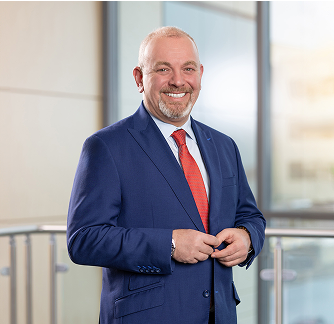
Welcome to Retire Smart Maryland. I’m Mike Bauer, alongside Prashant Sabapathi, the investment advisor representative with Elite Income Advisors serving Central Maryland out of Ellicott City. They also have a satellite office in Annapolis. If you want to schedule a meeting there, you can do so online at EliteIncomeAdvisors.com, or just pick up the phone and call 833-856-1387. And you know, Prashant, a lot of times we we distill the headlines on the show or things that are popping up in people’s algorithms or social media, all the stuff on the interwebternets and stuff like that. But apparently, there’s a new way of thinking about retirement planning. I don’t think it’s that new to you, though. It’s called the retirement stack. I’m using air quotes, the retirement stack, but it’s getting a bit of traction motion on the internet. I’m sure you’ve seen it. What do you make of what people are now calling the retirement stack?
Speaker 3 1:30
Well, look, I think it used to be that people would view retirement as just one big magic number. Let’s say that number was, for whatever reason, a million dollars or $2 million, and everyone would have their own unique number, and so you would work your entire career to get to that number, whatever it was for you. I think the new way of thinking is to really break your retirement down into unique and distinct kind of phases or scenarios. And to me, when we talk about stacking for retirement, there’s really four major things that come to mind that every pre-retiree and retiree really needs to make sure they have a good plan for. So, number one is generating income. Number two is managing your healthcare costs, or I would argue, understanding and then managing your healthcare costs. Number three is going to be protecting your loved ones, and number four is going to be passing on your assets. So who gets your money when you’re gone? And so you know, take that first one for example. It’s generating income, and so of course, when you retire, you lose your paycheck, right? While you’re working, your financial life is just a function of what I call money coming in and money going out. And then, of course, when you retire, this idea of money in, money out doesn’t really change. You know, it’s still about money coming in, money going out. What changes is where that money in comes from. If it’s not coming from your paycheck, it’s got to come from somewhere else. So the million dollar question, as it pertains to this retirement stack, is where is your paycheck in retirement going to come from? Is it going to come from dividends? Is it going to come from interest? Do you have a pension? Will it be Social Security. Do you have an annuity in place that’s going to guarantee you some level of income? And so, the first idea behind the generating income retirement stack is figure out where your income is going to come from. Is it going to be guaranteed or non-guaranteed? Meaning, how much risk is there surrounding your income? What is it going to look like after taxes? And lastly, as it pertains to your income, does it increase each and every year as the cost of living increases? I think if you can understand just these four things about your income plan, it’s going to give you a great opportunity to understand whether or not you’re at least on track the way that you deserve.
Speaker 2 4:02
I mean, and really, to me, that’s the whole idea behind a personalized plan-one built for you. It’s not just one number out there, and that number, whatever number it is, is different for everybody. It’s a stack of layers built around, as you mentioned, Prashant, your healthcare, your income, your timeline. For anybody just joining us, we’re talking with Prashant Sabapathi of Elite Income Advisors, and that’s exactly the kind of complete strategy he builds with everyone he works with that chooses to work with him that he chooses to work with. You can set up a visit with him and see if you guys are a match as well at 833-856-1387. That number again is 8561387. You can always go online to eliteincomeadvisors.com. Schedule that first appointment, no cost, no obligation, and you can see where your stack has gaps. Prashant, when you went through income, healthcare, protecting loved ones, and legacy, when you you mentioned healthcare. You you expanded it a little bit. You said with healthcare, understanding and managing, and you kind of said managing for the others. Why is it so important that you took that moment and you paused and added understanding and managing when it comes to healthcare?
Speaker 3 5:14
You know what I found is for a lot of the folks that come in to visit, there’s a lack of understanding as it pertains to Medicare and specifically Medicare costs, right? So you got to remember Medicare Part B is a co-insurance program that effectively the government is picking up approximately 80% of your healthcare expense on outpatient expenses, and you as a individual are required for picking up the other 20% Typically, you’ll do that by potentially looking at a Medicare Advantage plan or a Medigap policy, which is sometimes referred to as a Medicare supplement plan. But I think what goes under plan for is the costs associated with carrying this type of insurance. I think that it just kind of makes sense that people feel like when they get to retirement, the cost of their health insurance will decrease because I thought that’s what I paid all these taxes my whole career for. But then you get there and you realize you got Part B expense, you have Part D prescription drug expense, you have Medicare Supplement or Medicare Advantage expense, you have out of pocket expenses, and so by the time you total all these things up, you’re ending up with a bill that could be much higher than what you anticipated. There was actually a Fidelity study that came out. Fidelity’s newest estimate puts the number at approximately $185,500 for a 65-year-old retiring this year, that is out-of-pocket healthcare expenditures over the course of your lifetime, not including the cost of long-term care. Okay, $185,000 is no small chunk of change. If you incur that kind of expense over the course of your lifetime, how is your retirement plan going to deal with it? Does it put you at risk of running out of money? I think that’s what I mean when I talk about not just understanding it, but managing how you’re going to generate enough income to deal with that sort of expense over the course of the next 1015, 20
Speaker 2 7:16
years. Prashant, those last two layers: the first two income, healthcare; the last two layers, protecting loved ones or flexibility and legacy. I mean, people are living longer than ever. That’s good news financially. Maybe not so much. And I’m sure you deal with folks at very different ends of the spectrum when it comes to legacy. It’s probably some folks that want to leave a generational, you know, plan for for years and years and generations to come, and some that want to bounce the last check, and you know, and and be buried with a bounce check with them. So, how do you how do you approach those different conversations when it comes to those last two layers of this retirement stack?
Speaker 3 7:52
Yeah, well, real quick, when we’re talking about how to protect your loved ones, to me, it’s just a function of how much flexibility, or I call it wiggle room, is built into your plan, so you might have a plan that works if both spouses are living, and that’s great. What do you do when one spouse passes away? How much loss of income is there from loss of Social Security or reduction in pension benefits? How much do your taxes change when someone passes away? I think that your plan should have enough flexibility to easily, or at least reasonably, adapt to these changing circumstances. So, protecting your loved ones, you don’t necessarily have to map out every what if. I think your plan just has to have enough flexibility built in to deal with the curveballs that we know life will throw at you. And then, when it comes to legacy, I look at outdated beneficiary designations. I look at outdated estate planning documents as one potential risk for inefficiently transferring your estate. I think legacy planning is most effective when it’s built alongside the other three layers and alongside your financial plan, not independently of your financial plan. I think all these things have to work together, and if they are not working in a comprehensive and coordinated way, you could be exposing yourself to an inordinate amount of risk. So, folks, dial that phone number. It’s 833-856-1387 833-856-1387. Schedule that. no cost no obligation retirement review today. Come in to visit with me and my team. It’ll be an opportunity to have a conversation about the things that you care the most about. Let’s see where your retirement stack is right now and how you can make it as efficient as possible.
Speaker 4 9:40
Call the team at Elite Income Advisors today to claim your free tax reduction review at 833-856-1387. A lot of people spend years focused on growing their retirement accounts, but once retirement starts, the conversation shifts pretty quickly to taxes. Because what matters isn’t just how much you’ve saved; it’s time when. You actually get to keep Elite Income Advisors. They help people build retirement income strategies that look at taxes, that look at withdrawals, and also long-term planning together instead of separately. Call the team at Elite Income Advisors today at 833 850-613-8071. more time 833-856-1387, or visit eliteincomadvisors.com.
Speaker 1 10:24
Call Elite Income Advisors today to request your complimentary retirement income strategy. 833-856-1387. Planning for retirement isn’t just about getting there; it’s about how long your income may need to last. Think about how much your life has changed over the course of 1020, and 30 years, where you lived, the work you did, the people around you, even what a typical day looked like-it’s likely changed quite a bit over time. How much could life evolve now in your retirement years? Early retirement may look very different from later on in your life. That’s why building a retirement income strategy isn’t just about starting; it’s about creating something that can adjust along the way. Elite Income Advisors works with individuals to build retirement income strategies designed to support long-term needs, helping bring structure and flexibility to how income is generated over time. So call Elite Income Advisors today from Retire Smart Maryland to request your complimentary retirement income strategy. 833-856-1387. That’s 833-856-1387, or go to their website eliteincomadvisors.com. Hey,
Speaker 2 11:30
thanks so much for listening to Retire Smart Maryland. I’m Mike Bauer, but more importantly, joined by Prashant Sabapathi of Elite Income Advisors. He’s an investment advisor representative with the team serving Central Maryland, they have a location in Annapolis. The main headquarters is in Ellicott City. In Prashant, we talk about the questions you get, you hear them all the time. When should I retire? How much can I safely withdraw? Am I too risky? Am I too safe? Are my assets too correlated? If you’re getting really inside baseball stuff, you probably get asked all the time when should I take Social Security, but I want to tackle another question I know you get all the time, which is a little directed towards one area. But let’s let’s expand on this. I’m sure you get asked all the time by people, should I do a Roth conversion? So Prashant, when somebody comes up to you and says, or somebody meets you for the first time and says, “Should I do a Roth conversion? How do you respond to that? Where does that conversation begin?
Speaker 3 12:27
So I think a lot of advisors talk about Roth conversions as if it is just a really easy, quick decision to make. Like, hey, you should convert to a Roth today if you feel like your future tax rate will be higher than your current tax rate, and I think on the surface that makes a tremendous amount of logical sense. However, when it comes to doing Roth conversions, there are four key areas that you must, in my opinion, you must button up before executing a Roth conversion. And Mike, I’ve been getting people asking me, should I do a Roth conversion? It feels like more than ever just in the last month or so. So I figured, why don’t we dive into the four considerations before executing on a Roth conversion? And I think all the stars have to align on these four things before you do it to make sure that you are well informed on whether or not you’re actually making productive decision in your financial plan, so the first thing to consider is the impact that you have on your marginal income tax bracket. Okay, so anytime you do a Roth conversion, you are adding income to your tax return for the year. Anytime you’re adding income to the tax return. It could potentially catapult you into a higher tax bracket. So a lot of our clients feel like if I do a Roth conversion, I don’t actually want my marginal income tax rate to increase. Let’s say you’re operating in a 22% tax bracket today. I think if you did a Roth conversion, you got to examine whether or not you’re at risk of going into the 24 or even the 32 percent federal income tax bracket as a result, so number one is understand the marginal income tax impact of doing that Roth conversion. I think most advisors consider that as a as a fundamental piece of doing a conversion. I think where you start to lose advisors is in the next two things. Number one is Medicare. Okay, when it comes to Medicare, the higher your income is in any given year, the higher your Medicare premium could potentially be in two years’ time. So remember, your Medicare Part B premium, for example, is based on your income tax return from two years ago. So my 2026 Medicare Part B premium is actually based on my modified adjusted gross income from 2024. Well, if I did a Roth. Conversion in 2024, it might have increased my income, which could then cause a spike in my Medicare premium. So, before doing the Roth conversion, I think you should have an understanding of how much of a surcharge you might pay to Medicare by doing this Roth conversion. So, Mike, just pause there, and I think you have to look at those two. We can get into the other two in a minute here, but so many people do not even consider these first two things, let alone the next two that we’re going to talk about.
Speaker 2 15:32
Yeah, you know, you mentioned the first two is your marginal tax bracket is the first thing to look at when considering a Roth conversion. The impact on your marginal tax bracket. Where does it put you? And then, obviously, Medicare premiums is rule number two. For anybody just listening who’s considering a Roth conversion, or maybe you’re just learning about Roth conversions, but if you’re considering one, doing it incorrectly, look honestly, it could trigger a wildly significant and unexpected tax bill, or potentially double your Medicare premiums. Too many advisors can push conversions as a one-size-fits-all solution without doing exactly what Prashant’s talking about and evaluating your entire tax picture. So, before moving a single dollar, get tax efficiency review from Prashant and the team at Elite Income Advisors 833-856-1387 to set up a no cost no obligation retirement review, or you can go online to Elite Income advisors.com. And if you go back to that first element, the marginal tax bracket, Prashant, you guys have put together a great [email protected]. If you specifically want to take a look at taxes as a whole, so rule number one, marginal tax bracket. Rule number two, Medicare premiums. Your third and fourth rule. We’ll get to them in order. What’s up next? Third rule.
Speaker 3 16:54
So let’s say that you did do a conversion. Okay. Now you owe taxes as a result. So number three thing to consider is how am I going to pay the taxes? Okay, hypothetically, let’s just use round numbers. Let’s say I converted $100,000. Let’s say that the total tax bill was approximately 25,000. Okay, let’s call it 25% Again, this is just for example. Well, if I owe an extra 25,000 by doing that $100,000 conversion, you got to have a means to pay that 25,000. So, are you going to pay it from a bank account come tax time? Are you going to start making estimated quarterly tax payments to the federal and the state government, or are you going to withhold the 25,000 off of the converted amount, meaning 75,000 goes into the Roth and 25,000 gets proactively paid to the federal and the state as a withholding. Right, so I think that’s another big component to this. You might say that it’s logical to convert $100,000 to a Roth, but if the tax bill is 25,000 and you don’t have $25,000 lying around to pay the taxes, I would argue that maybe doing that conversion is not the right thing for you to do. I’ve talked to so many people, Mike, who think that it makes sense to do the conversion. It doesn’t impact their tax bracket marginally. We determine that it’s likely to not have any impact on their Medicare premiums. Okay, but then what happens is they don’t have the money to actually proactively pay the taxes, and that’s something that disqualifies them, in their opinion, from doing that Roth conversion in the first place. So it’s great to run all the numbers, but you actually have to have the money to pay. And if you’re not comfortable with that, then maybe a Roth conversion is not the best fit for you. I would rather you know about the answer to that question before you do the conversion, and not just find out by april 15 that now you owe a large lump sum of money that you may or may not be prepared for.
Speaker 2 19:00
Tremendous advice to not sign up for something that you can’t pay for. I mean, that’s right. Absolutely. All right. Rule number four. You know, after we looked at the marginal tax bracket, the Medicare impact, and and there’s not just significant Medicare impacts, but there’s a lot of different angles there where Medicare surcharges. You could get potential surcharges, and then how do you actually pay the tax bill? You have four rules, so we’re down to the last one, Prashant.
Speaker 3 19:27
And the last one, let’s assume the first three all check out. You feel really good about that. You have a plan. The last one is going to be once the conversion is complete and the money moves over from your IRA into the Roth IRA. How are you going to invest that money? Okay, because inherently you assumed some level of tax liability. I would I would think to do the conversion using our our example here. We converted $100,000. The tax bill was roughly $25,000. So 25,000. Left your situation, how are we going to recoup it, and how long is it going to take? Well, in order to recoup our money, we have to invest that Roth. Okay, we have to invest the $100,000 and hope that it grows over some period of time. Well, of course, the higher the risk level is with that investment, the quicker that we could potentially recoup the taxes that we paid, but of course, one thing we know about taking risk in the market is just as much as we could potentially make money in the market. You could do the conversion and watch the market reduce your balance in the shorter term because the market went down, so I think it’s a fair question to understand how much risk are you comfortable taking after the conversion is complete in order to pursue the idea of recouping the taxes that you are proactively paying on the conversion. And so, if your investment advisor or your retirement advisor does not walk you through each and every one of these four things, and we oftentimes will spend 1015, 20 minutes talking about each and every one of these things to make sure that they are properly buttoned up before executing the conversion. If your advisor is not doing that, I would venture to guess that there may be a gap in your retirement and tax plan that needs to be examined before you go ahead with a huge, huge decision like making a Roth conversion. Yet, Mike, so many people that come in to visit, when I ask them what their advisor thinks on these four things, they tell me, “Well, my advisor never talked to me about it, and to me, that is a huge red flag as it pertains to your retirement plan.
Speaker 2 21:46
So, I mean, obviously, you’re you’re asking these questions when you sit down and meet with folks, and I’m sure that they’re hitting you back with other questions as well. You know, if somebody very confidently checks three out of the four boxes, but maybe they’re a little bit a little bit shy. Maybe they’re a little bit short of checking that fourth box. Then where do you go from there? If if only two or three align and they decide not to convert, what what what’s the bottom line takeaway for our listeners?
Speaker 3 22:13
I go back to what I used to do when I was in high school, in college, when I was making decisions. Right, we look at the benefits, the pros, and we look at the drawbacks, the cons, and we figure out together whether the benefits outweigh the drawbacks. So, yeah, you might only have two out of four satisfied. Well, on the two out of four that you did not satisfy, what is the downside of not having those things taken care of, and is that downside going to hurt us more than the upside would help us? Right, and so with that being said, I would love it, and most I would love it if we had all four buttoned up. And most of our clients who do Roth conversions have a confident strategy or confident understanding on all four of these things. I would oftentimes advise people not to do it if you didn’t have these four things really really buttoned up. But that being said, we have had clients that are only comfortable with three out of four, and they do it anyway. But they would only do it after examining the benefits and the drawbacks. So, folks, if you’re not sure whether Roth conversion is the right thing for you, if your advisor hasn’t taken you through the systematic four-step process to doing a Roth conversion and how it could benefit you and what the impact would be, great opportunity to give us a call. Let’s just sit down have a conversation about it. Doesn’t mean that we’re going to work together. It doesn’t mean that you’re going to do business with us or become a client, but it does mean that maybe you can get some additional context and information to help you make as well informed of a decision as you can. The phone number 833-856-1387. That’s 833-856-1387.
Speaker 4 23:55
Call the team at Elite Income Advisors for your free portfolio review and risk assessment at 833-856-1387. You know the market feels a lot different when retirement starts getting closer. When you’re younger, a bad market year feels annoying. But when you’re thinking about retirement income, it can feel very very personal. A lot of people right now are wondering if they’re taking too much risk, or if their investments are really lined up for this stage of life, that’s why the team at Elite Income Advisors they offer a free portfolio risk report and a protection review to help you understand where you stand. Call Elite Income Advisors today at 833-856-1387. That’s 833-856-1387, or visit eliteincomeadvisors.com.
Speaker 1 24:49
Think about how much has changed over time. Cars have evolved. Technology has advanced. The way we live, work, and commute looks very different than it did even a generation ago. Retirement solutions. Have changed too. Does planning your retirement sometimes feel like you’re playing checkers in a video game world? Investments have improved. Timelines have moved out further. Today, retirement can last decades. At the same time, factors like inflation, taxes, and healthcare costs also play a bigger role over time, adding new layers of complexity to the decisions you have to make, what worked years ago may not fully account for the challenges and opportunities you face today. That’s why having a strategy built for today’s retirement environment can make a difference. Call Elite Income Advisors today to schedule your complimentary retirement income review. 833-856-1387. Elite Income Advisors works with individuals to build retirement strategies that reflect these long-term changes, helping bring structure to income, taxes, and overall financial planning. Call Elite Income Advisors today to schedule your complimentary retirement income review. 833-856-1387. That’s 833-856-1387, or go to their website eliteincomadvisors.com.
Speaker 2 26:05
Thanks so much for listening to Retire Smart Maryland. I’m Mike Bauer. As always, joined by Prashant Sabapathi of Elite Income Advisors, investment advisor representative helps the folks all throughout Central Maryland. Your headquarters, Prashant, based in Ellicott City. You also have a satellite office in Annapolis, and you’re online. You’re always available at EliteIncomeAdvisors.com. And for anybody listening, if you want to get in for a retirement review, absolutely complimentary, no cost, no obligation. Leave your checkbook at home, but have your calendar ready when you call 833-856-1387. You’re going to get right on Prashant’s calendar when you dial 833-856-1387. Prashant, you know a lot of retirements were built years ago. They haven’t been touched since. Set it and forget it, I guess. But but but years ago, interest rates, tax rules, life expectancy assumptions very different. I want to talk to you in this segment about refinancing not your mortgage but your retirement as a whole, because a plan that made sense years ago, decades ago, could be running on outdated terms today. What does it actually mean to you when we talk about refinancing a retirement plan
Speaker 3 27:21
to me it means revisiting the original assumptions that were set up. So you might have designed this retirement plan five years ago, 10 years ago, and it might have been built on the current assumptions at the time that you set it up. Well, what has changed since you set it up, and even if you had done it as recently as five years ago, life is totally different today than it was even back in 2020 and 2021. Presumably, interest rate environment is different. Cost of living has skyrocketed since 2020 with the pandemic, of course, and then energy prices. I think interest rates. You mentioned that, Mike. That is at the forefront now. I mean, we were operating in an ultra low interest rate environment. Remember COVID when everyone was getting 2% two and a half percent mortgages. It felt like those days are gone, right? I bought a house last year in Ellicott City, and our mortgage was six and three quarters percent when we bought it. Six and three quarters. I mean, in 2020, I could not ever imagine six and three quarters. But you know, we’re kind of reverting back to what is quote unquote more normal from an interest rate environment. The problem is after living through 2% mortgage rates, six and three quarters feels ridiculously high. And so, this is a great opportunity to look back at what has changed, and not just what has changed, but more importantly, how do those changes actually impact your retirement and your plan. Another example of this, Mike. You know, I talk about my grandmother. I have talked about my grandmother a lot. She passed away earlier this year, but she was 100 years old when she passed away. 100 years old, right? I think when we first started planning for retirement, like way back when, we were planning to live to 80 or 85. Well, what happens if you live to 9095, 100 years old? That’s an extra 1015, 20 years that your money has to last. And I think it totally changes the calculus associated with all the algorithms designed to tell you how long that money is going to last. 20 years versus 30 years is a huge, huge difference, and I think if you haven’t updated your retirement plan to reflect the risks surrounding those types of things, there’s probably a blind spot that your advisor or you could be unintentionally ignoring, and I think that’s a huge concern.
Speaker 2 29:57
Yeah, I mean, living life longer is. Change to the math of an old plan. You know the retirement rate withdrawal. You know strategies have changed over the years, and just doing the math of simply living longer. Sorry about your loss, but 100 years absolutely impressive. And you know just a generation ago was the outlier, and now it seems like it kind of feels like it’s becoming the norm for anybody just joining us right now. Anybody listening, and maybe you can’t remember the last time somebody looked at your retirement plan with with fresh eyes. It’s worth paying attention to. A plan that hasn’t been reviewed in years could be running on incredibly outdated assumptions that just aren’t holding up anymore. Give Prashant Sabapathi of Elite Income Advisors a call, and you can get in for a complimentary retirement review, 833-856-1387. That number 833-856-1387. You can always go online to eliteincomadvisors.com. You know, Prashant, we talked. You know, and I’m fortunate. I got in and bought a home before the rates doubled, but my goodness, I mean, just rates doubling in the last 567, years is incredibly impactful to a lot of people’s plans in life and potentially in retirement. But when we talk about interest rates and inflation, I mean, healthcare and long-term care costs are are rising at an even higher rate. It seems.
Speaker 3 31:19
Yeah, they really are, Mike, and and I think it actually goes hand in hand with what’s going on with tax rates. So just follow me on this one. Is let’s say the cost of your health insurance in retirement ends up being I don’t know 30% higher than whatever you projected it to be when you first started your planning. Fine, we know costs are likely to go up. Let’s say that you have to start now taking out 30% more income than you ever planned on to just meet your basic health insurance needs. Well, if that is the case, how are we going to come up with that additional 20 to 30% income if that ends up being the number? Well, the logical place to go is to just take it from your retirement savings. I mean, that is why you save the money in the first place. And so you go to your IRA, you go to your 401k, you start taking out more money to simply service the higher cost of living associated with the health insurance. And now, as a result, what happens is you take more money out, which actually could increase your tax bracket. So you increase your tax bracket, which means your net income does what on that withdrawal? It goes down. Yeah. Okay. And so, as a result of having lower net income on a relative basis, the solution is withdraw more and more money. Well, the more money you withdraw, the higher the tax rate potentially is, and the higher the probability is that you could actually run out of money one day. So I look at health insurance costs and say, yeah, we’re likely to have. I think we all agree we’re likely to have higher health insurance costs in the future. Well, if that happens, is that actually going to create a tax time bomb, and is that going to make that time bomb go off sooner than we expected? Simply because we need more money to service the necessities of our lifetime, and I think this is oftentimes something that people don’t often think about enough. Okay, everything is a cause and effect type of deal. The decision you make on healthcare could impact your taxes. The taxes could impact your investments. Could impact your Medicare costs. It all impacts the probability that you may or may not run out of money one day, unless you understand the link between every piece of your financial plan and what kind of cause and effect relationships there are. Again, I think that there are blind spots, and that’s what we don’t want to have when we when we get to retirement. We want to be aware of every piece and every moving part.
Speaker 2 33:57
Yeah, I mean, you know, you talk about blind spots. You want to make sure you’re checking your mirrors, checking if you got cameras on the car before you’re changing lanes. And for anybody listening, we’re talking about refinancing your retirement. And Prashant, we’ve we’ve talked a lot about time, about something that happened five years ago, 10 years ago. You know, times they are a change in if it’s tax rates or it’s interest rates or it’s tax rules. But also, there are some events that maybe make changes happen a lot faster in terms of just life events. What are some life events that happen that maybe happen quickly that are worth having another conversation? Something happens and says, you know what? I got to go talk to Prashant. This just happened in my life. It didn’t take 10 years. Maybe it took one year, but it’s definitely worth having a revisiting or maybe even a refinancing of a retirement plan.
Speaker 3 34:46
So two things come to mind. One is if your spouse passes away. Okay, if your spouse passes away, I think two things are on the table. One is how much is your income going to adjust as a result. So did they have a. Pension, and if they did have a pension, how much do you, as the survivor, get to keep if something happens to them? All of it, some of it, or heaven forbid, none of it. Secondly, what happens to Social Security benefits? So, for example, if I have a married couple, both spouses are collecting Social Security, and one of them passes away, you’re typically going to lose the lower of the two social security benefits, so that creates a loss of income. So understand what the loss of income is when someone passes away. But then, secondly, how does your filing status from a tax standpoint change? You went from married filing jointly, probably down to filing as an individual, which could potentially be less favorable, and so if both of those things are working against you, how does that impact your ability to not run out of money one day? You should have those answers before somebody passes away. So that’s number one, and number two is exactly what my mom went through, which is a long-term care event. If you go through a long-term care or nursing care event, and now you need an extra 3000, 5000, $10,000 per month. Where are you going to come up with it? And is it going to come from a taxable account or is it going to come from a tax-free account? If you don’t know the answers to these questions, if you’re not even sure where to start in finding the answers to these questions, where to start is pick up the phone, give us a call. It’s 833-856-1387. It’s 833-856-1387. Scheduled at no cost, no obligation retirement review. Come in, let’s talk about it and figure out whether or not you are actually on track for the retirement that you deserve 833-856-1387.
Speaker 4 36:46
Hey, you out there! If you’re an investor, then I want to ask you a very, very important question: Do you know what you’re paying in investment fees? Because most people don’t, and it’s not because they’re careless. It’s because those fees can be surprisingly hard to find. Over time, even small costs inside retirement accounts-they can quietly eat away at long-term growth. That’s why Elite Income Advisors-they can help you review your accounts. They can uncover hidden fees and also explain things in plain English, so you know exactly what you’re paying for. Call today for your free portfolio analysis and fee finder report at 833-856-1387. That’s 833-856-1387, or visit eliteincomeadvisors.com.
Speaker 1 37:35
At some point, it’s natural to wonder: Are we on the right track? Will our investments provide the income we need? When exactly should we start Social Security? When do we get started when it comes to estate planning? And even if you already have investments, it’s not always clear how all of the pieces work together because retirement planning today isn’t just about one decision. It’s about how income, taxes, investments, and long-term planning should connect together. That’s why receiving a second opinion can be so valuable, not because something is wrong, but to understand what’s working, what may need attention, and what better opportunities could exist going forward. Elite Income Advisors works with individuals just like you to evaluate their current retirement plan and help bring clarity to those moving parts. So call Elite Income Advisors today to schedule your complimentary second opinion retirement review, 833-856-1387. That’s 833-856-1387, or visit the website eliteincomadvisors.com.
Speaker 2 38:32
Thanks so much for spending part of your week with us on Retire Smart Maryland. I’m Mike Bauer, but more importantly, joined as always with Prashant Sabapathi of Elite Income Advisors. He is an investment advisor representative, part of the award-winning team at Elite Income Advisors 833-856-1387. You can also find him online at eliteincomeadvisors.com. Headquartered in Ellicott City, they also have the satellite office in Annapolis. And again, you can always find them online, eliteincomeadvisors.com. So you watch it TV. Bloomberg caught my eye the other day. Prashant, a gentleman, Noriel Rubini. He’s one of the few guys that predict predicted the 2008 financial crash, and they call him Doctor Doom because he’s kind of a kind of a Debbie Downer, if you will, but they call him Doctor Doom. And most recently, he said that AI, the robot overlords, if you will, but AI is replacing so many jobs over the next few decades-not few years, but few decades-that we’re eventually going to need some sort of income just to keep the economy functioning. And he talked about universal basic income. Now we’ve heard politicians propose this and put it up on signs and commercials and stump speeches for years. But for anybody who’s never really heard that term before, UBI, universal basic income. What exactly is it, and and why why why is this making the the headline?
Speaker 3 40:00
So let’s back up and just define what UBI is. Universal basic income is essentially the idea that the government will provide every citizen no strings attached cash every single month, whether you work or not is irrelevant. So think of it almost like Social Security, except Social Security had a bunch of strings attached to it because you had to pay into it. So universal basic income is regardless of whether you work, whether you pay taxes or not, every month you get a check, right? And so I think the historically the premise behind universal basic income is younger generations talk about student loan debt and everything else. They don’t have enough working income coming in to not only service student loan debt, but also you know do things like purchase a home and and really have enough money to reinvest back into the American economy. So the idea is, if the government subsidizes that, it’ll give people a jump start and the ability to potentially get ahead. Now, as it pertains to AI, I think the the thought is if AI eliminates a bunch of jobs in the future, how are people going to pay the bills at the end of the day? And so, universal basic income is one proposal. Now, personally, I’m not a big fan. Okay, because I believe that you should have incentives aligned in inside of the American economy that give people the will to actually want to show up and be productive as citizens. And so I kind of think back to how did the internet change life as we know it? Did the internet eliminate some jobs, I’d say absolutely it did. It made some jobs kind of less useful. But what did the American consumer and the American economy as a whole do? They adapted, right? It’s kind of the American way to adapt and to figure things out. So will AI change the job landscape as we know it. Absolutely, it will. I think AI will absolutely eliminate a bunch of jobs, but I also think that there are jobs that don’t currently exist today that will be the result of AI as well. And just like with our current job market, you’ll have a certain subset of people that are competing for those jobs as well. So, universal basic income. I don’t know if you know my opinion really matters in this, but I am not a fan. I think that it removes the incentives for people to be productive and to work. We’ll see if the economy ever gets to a point where it is necessary. But something tells me that America is just better than that. I think people want incentives, they want purpose in their life, they want the ability to earn a living, despite what I think. If you watch the news a lot, yeah, you might what you might see on TV.
Speaker 2 42:59
Well, you know, and specifically, we’re talking about you know this you know on on Bloomberg we saw and he’s got the name Doctor Doom but Noriel Rubini and and he he connected it to Social Security and you mentioned Social Security there talking about it saying that it’s you know Social Security is going to run into trouble in 2032 now the actual Social Security actuaries have updated that date, and he added that raising the retirement age alone wouldn’t fix things if AI is displacing so many workers faster than expected. So, Prashant, does that logic that he’s putting out there is another reason why universal basic income might be a thing? That I mean, I’ve even seen Elon Musk talk about this, you know, being something that might be necessary in the future, just because I feel like shouting fire in a crowded theater here, but but because AI is taking so many of our jobs.
Speaker 3 43:49
Yeah, look, I think if all these projections were to come true, I think you could make a case for UBI. Okay, I really do. I’m just not convinced that so many jobs will be eliminated. That it will be a necessity. This being said, let’s take some hypotheticals. Okay, let’s say that there are huge layoffs with no job replacement opportunities. Then, yeah, the tax paying base is going to be lower, which means the Social Security paying base and the Medicare base will be lower, and as a result, the debt will likely become bigger. I’m sorry, the deficit will likely become bigger, which will result in the debt becoming bigger as well. And so that is a nasty domino effect. There’s no doubt. If all of that happens to play itself out in that form and in that fashion, I think you could make a much stronger, more legitimate case for universal basic income, I hope it does not come to that. But if we just assume for a second that all of the above is true, then yeah, I think people still have to have a way to pay the bills. People still have to have enough assets or incomes to be able to live their lives and still have necessities. And maybe the government needs to step in in. Case, I think, Mike. We are a long, long, long ways away from that happening. But who knows? I mean, we just don’t know what this is going to look like. Who knew what the internet boom would look like back in 2000? And if you sat there in 2000, did you ever think you would be able to go on Google, talk to a search engine and have it give you real-time data that could potentially be just as accurate as doing all the research that it took you hours and hours to do in the past. Like I don’t think anyone envisioned that 2530, years ago, and so who’s to say what the world would look like 25 or 30 years from now? I think it’s really interesting conversation, but until I see something happen, I think it’s just nothing more than speculation. Quite frankly, I don’t spend a whole lot of time thinking about universal basic income and what my practice and what my life would look like if the robots took over.
Speaker 2 45:54
I mean, I’m just thinking about. I mean, it seems like it’s been a blink of an eye since we went, you know, door to door salesmen with encyclopedias, you know, trying to get families to buy Britannica or the World Book or whatever. To now, you’ve got the entire history of human knowledge, you know, on a chip in a on a phone in your hand, you know, or access to all of the crude knowledge of mankind. But really, for anybody listening, there’s a bigger point underneath all of this, which is the fact that good retirement planning always has had to account for uncertainty, and that’s in this conversation AI in the future. It could be in the past a market nobody predicted. It’s a subprime mortgage crisis. It’s Y2K. It’s COVID. You know, and and that’s the reason why a plan built on income you can control and savings that aren’t dependent on any single employee or a policy outcome or you know new technology fad works no matter how the conversation eventually plays out, and that’s why a conversation with Prashant Sabapathi of Elite Income Visors is a great place to start to see if whatever the future holds is something that is built into your plan. Give them a call 833-856-1387. That’s 833-856-1387. You can always go online to eliteincometvisors.com. So you know Elon Musk did touch on this too. I mean, let’s go from Doctor Doom to Elon Musk, who I guess is kind of like Doctor Doom. Now he’s you know he’s ramming rockets into the moon, but in under 20 years, if work is fully optional, you know he talked about growing your own vegetables instead of buying them at the store. Whether or not people buy into this specific timeline, and you just mentioned Prashant a bunch of qualifiers. If all of these things happen, but is there a version of this conversation that’s actually useful and more practical for retirement planning today, or is it still just kind of as you outlined? Hey, if all this stuff happens, is it still too speculative?
Speaker 3 47:58
Well, I think there’s an element that is very speculative, but I think it highlights a bigger kind of undertone in this whole conversation, which is what drives your outcome when you get to retirement, right? Like, is it the market? Is it Social Security? Is it government dependence? Is it healthcare dependence? Like, to me, it’s very very simple. Okay, I can look at all of my most successful clients and find what they have in common. And what they have in common is that their income is a lot higher than their expenses. That’s it. And so, if you’re not sure what is going to happen on the expense side of things, because we don’t know how AI is going to impact the cost of goods as well, right? If you’re not sure what could happen to your expense side, you better make sure that you have way more income than projected expenses. So start looking at ways in your retirement portfolio that you could create more dividend income when you get to retirement, more interest income when you get to retirement, more guaranteed income through the use of things like annuities and and treasury bonds and so on and so forth. Where is your income going to come from, and ultimately, is it going to be high enough to support the outcome that you want to have? The higher the income, the better the outcome when you get to retirement, regardless of what AI does or anything else, you better make sure that your income severely outpaces your expenses. If you’re not sure how to build an income plan, it’s the last opportunity for today’s program to get on the calendar. It is just a conversation, folks. You’re not agreeing to become a client, you’re not agreeing to pay us anything. You’re not agreeing to work with us. By the way, I’m not agreeing that I will take anybody as a client. What we are doing is going to have a conversation about the things that are most important to you. 833-856-1387. That’s 833-856-1387. You can. Also visit eliteincomadvisors.com. Check out the resource center. Tremendous resources on the website to help you get prepared for your golden years. 833-856-1387.
Speaker 2 50:13
Prashant, I’m going to put some of that into my own words, and I’m I’m winking here. It’s about money coming in versus money going out. I think I’m paraphrasing a wise man once said that. That’s something that you’ve taught me over the years, Prashant. Always great to have a conversation with you on behalf of everyone and the team at Elite Income Advisors. I’m Mike Bauer for everybody at Retire Smart Maryland. Thanks so much for joining us, and we’ll see you next time.
Speaker 4 50:37
How do you really know if you’re ready for retirement? Is it a number in your account, a certain age, maybe a feeling. Hey, the truth is, retirement planning usually comes down to whether all the pieces are working together: income, investments, taxes, healthcare planning, also long-term goals. The team at Elite Income Advisors they help people evaluate where they stand today, and they identify areas that may need attention before retirement begins. So call the team at Elite Income Advisors today for your complimentary retirement readiness review at 833-856-1387. That’s 833-856-1387.
Speaker 1 51:18
You’ve never retired before, so how do you know what to plan for? Retirement isn’t something you get to practice, and for many, it can feel unfamiliar because it’s not a phase of life you’ve experienced before. There are decisions around Social Security, taxes, income, withdrawals, healthcare planning, and investment risk, and each one can shape how your retirement unfolds over time. Elite Income Advisors works with individuals every day, just like you, designing retirement strategies built around income, taxes, and long-term decisions. Call Elite Income Advisors today to get started on your complimentary retirement review. 833-856-1387. That’s 833-856-1387. Don’t let retirement test you. Have the team at Retire Smart Maryland help you fill in the answers. Claim your free complimentary retirement session right now. Call 833-856-1387. That’s 833-856-1387. Or schedule your own time at their website, EliteIncomeAdvisors.com.
Speaker 4 52:28
Annuity guarantees are subject to the claims payability of the issuing insurance company. If you withdraw money from or surrender your contract within a certain period of time after investing, the insurance company may assess a surrender charge. Withdrawals may be subject to tax penalties and income taxes. Persons selling annuities and other insurance products receive compensation for these transactions. Products are subject to fees and additional expenses. Any comments regarding safe and secure investments and guaranteed income streams refer only to the fixed insurance products. They do not refer in any way to securities or investment advisory products. Information presented on this program is believed to be factual and up to date, but we do not guarantee its accuracy, and it should not be regarded as complete analysis of the subjects discussed. Discussion should not be construed as an offer to buy or sell, or the solicitation of an offer to buy or sell the investments mentioned. Professional advisors should be consulted before implementing any of the strategies discussed. Investments involve varying degrees of risk, and there can be no assurance that any specific investment or strategy will be suitable or profitable for a client’s portfolio. Investment advisory services offered through Elite Income Advisors Incorporated, a registered investment advisor located in Ellicott City, Maryland. The firm only conducts business in states and jurisdictions in which they are properly registered or exempt from registration requirements. Registration is not an endorsement of the firm by securities regulators and does not mean the advisors achieve a specific level of skill or ability. Content should not be viewed as personalized financial advice. Insurance and annuity products are sold separately through Retirement Planning Services Incorporated. Neither firm is affiliated with or endorsed by the Social Security Administration or the IRS. Social Security, Medicare, pension, and tax rules are subject to change at any time. Insurance and annuity products are sold separately through Retirement Planning Services Incorporated. President Ozer Culhagil, Prashant Sabapathi, and Jonathan DeFeo receive commissions for the sale of insurance products as insurance agents for Retire Planning Services Incorporated. Insurance and annuity product guarantees are subject to the financial strength and claims-paying ability of the issuing insurance company. Morgan Patrick is not a client of or affiliated with Elite Income Advisors. However, he has a financial incentive to promote our services because he was compensated for his work on Retire Smart Maryland. The program is a paid production of Elite Income Advisors.