Cynthia de Fazio 0:25
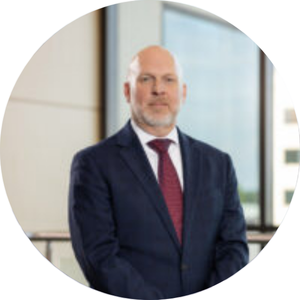
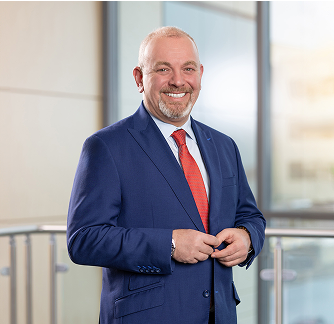
Welcome to Retire Smart Maryland. My name is Cynthia DeFazio. Joined today by Prashant Sabapathi and John DeFeo of Elite Income Advisors, and to our viewers at home, every week we welcome you to the show. Thank you so much for being with us today. We have a very important topic to discuss. We’re going to talk about estate planning, and before you change the channel, I know you’re thinking that you want to. It’s not about death necessarily. This is about family planning. Think about that. Estate planning is not talking about what you’re thinking it’s going to be, but family planning down the road. So again, thank you for being with us today. We love having you, and without further ado, we’re going to dive into the show. Prashant, how are you today?
Speaker 1 1:06
I’m doing well. This will be an interesting show because it’s not the thing that people want to necessarily talk about all the time, but very important stuff. So I’m glad to be able to have this on our agenda for today.
Cynthia de Fazio 1:17
Me too, and I like the positive stand we’ve had. Absolutely, right, John. How are you today? I’m
Speaker 2 1:23
doing great, and I echo exactly what Prashant said for a morbid conversation. We try to make light of it the best that we can, but appreciate you
Speaker 1 1:30
asking.
Cynthia de Fazio 1:31
And we really have to because so often people don’t want to think about that day. None of us want to think about that day when we’re no longer here. I mean, well, some of us we know we’re going home, we know where we’re going, but other than that, it’s a hard topic to really get into. But it’s necessary; it really is necessary. And Prashant, why are you so passionate about making sure that your clients have a good legacy plan in place, an estate plan, if you will?
Speaker 1 1:56
Well, what is legacy? At the end of the day, it’s how you’re going to be remembered. And so, let’s try to maximize the legacy that’s left to your family, if that’s important to you. And some people say that it’s supremely important, and some people say, “Hey, I don’t really care about leaving a financial legacy down the road. But I think for those of you who do care about that, it’s very important to make sure that it’s done in an efficient way. So to me, efficiency revolves around a couple of different things. One is the ease of the transfer of the assets, right? So you don’t want stuff to get hung up in probate court or to be contested in your will or anything like that. And so that speaks to one element of efficiency. The second element of efficiency is in taxes, right? If you’re going to leave money to your family, doesn’t it make sense to potentially try to reduce the amount of tax exposure that the person inheriting the money will have to take on at the time of death? I think that’s just logical, good, sound planning. And so when we talk about efficiency of transferring your estate, this is kind of what we’re talking about.
Cynthia de Fazio 3:05
I love that, and John. So often you hear people say estate planning. I don’t need estate planning. That’s only for the ultra wealthy. That’s not true. Everyone needs to have some sort of an estate plan, legacy plan. Please correct me if I’m wrong.
Speaker 2 3:20
You’re absolutely right. I mean, you know, even if you don’t have significant assets set aside, you want to ensure that what you do have goes to the people that you desire it to go to. You want to ensure that you know you have, if you have you know a house, that that goes through the will. That if you have any personal property, that that gets directed the right way. But if you do have assets and you do have wealth, that’s even more important to ensure that the money goes to who you want it to go to, but also that it’s done efficiently. And I always tell this story when I talk to my clients and and when I’m at the seminars. And you know, I’m not out here to make my kids rich by any means, right? In fact, my trust says that if my wife and I both pass away, my kids have to wait until they’re 35 to get any full inheritance that I would have. You know, make sure that they can establish themselves. And you know, again, I’m not looking to make them rich, but if I’m going to leave them money that I worked really hard to save over my lifetime, I want to ensure that they get the most of it and that Uncle Sam gets the least of it. Right? I want to be able to maximize what my kids and my grandkids can potentially do with it, so I think it’s so important to have not just the estate plan set up, but also the efficiencies behind it, pairing that with the tax planning.
Cynthia de Fazio 4:29
Most definitely, Prashant. So it really is about family planning. It’s about making sure that your wishes are carried out to your loved ones when we’re no longer here.
Speaker 1 4:39
Yeah, and this is why using something like a trust could be a great tool for you. A trust could give you the opportunity to just bypass the probate process and ensure efficient transfer of assets. Now, look, I’m not an attorney. I don’t claim to be an attorney. You definitely want to seek the advice of a licensed professional. To do something like a trust, I recently just got my trust updated. You know, my wife and I had a baby. Well, I should I should say she she was correct. She had the baby. But that being said, we now have a growing family, and so now that there’s a different agenda in place for exactly what John was talking about, I want to make sure that our family is taken care of in the event that something happens to one or both of us, and this is why working within a licensed estate planning attorney to get something like a will, a trust, a power of attorney, advanced medical directive-all very important components of creating a comprehensive estate plan, and to your earlier point, I think everybody should get this type of thing in place. It doesn’t necessarily mean that every single person needs a trust, but every single person should think about what happens. Heaven forbid something happen to them, because I don’t care how much money anybody has. We all worked really hard to accumulate what we did accumulate, and I think that that is worthwhile to try to protect.
Cynthia de Fazio 6:06
Most definitely, and I know we’re not giving legal advice on today’s show. We have to put that disclaimer out there, of course. But John, the difference between a will and a trust-they’re often confusing for most people at home. I’m assuming you mentioned trust earlier, but can you break down a little bit of the differences exactly? What exactly is a will versus a trust?
Speaker 2 6:25
Absolutely. So a will is more your intentions on how these assets are going to be passed to your beneficiaries, so that the courts are not making these decisions for you. Still goes through probate. There’s still going to be a process behind that, but it’s just a set of instructions to ensure that that’s passed on properly. Trusts are a whole different game, right? There are so many different types of trusts out there. They’re meant for protection in some cases. They’re meant for you know keeping your your kids that are young from making poor financial decisions at a young age. That’s exactly how my trust is set up. There are also trusts that are out there to help mitigate taxes. If you’re in a position where maybe you’re going to have an estate tax problem in the future, so there is some trust that will help remove some of those assets. So it’s a it’s it’s a lot to consider. And what I always tell clients and and people visiting with us is, you know, as we’ve all mentioned, we’re not attorneys. We don’t write the documents. But as a certified financial planner, I have the training, and we in the office have the training to be able to listen to your goals, identify your objectives, and put together the framework for an estate plan, and say these are the types of strategies that we would possibly recommend. And then we partner very closely with our estate planning attorneys to actually draft and write those documents. So again, we’re not writing them in our office, but we have the ability to create the framework to get you in that direction to actually have that done.
Cynthia de Fazio 7:46
So important, Prashant. And I know we’re going to take a very short commercial break in just a moment. But what message do you have for the viewers at home who are on the fence right now, thinking, “Do I need an estate plan? Do I need a legacy plan? What thoughts do you have for those folks?
Speaker 1 8:00
My opinion is yes. You need a legacy plan, whether that is to leave money to charitable organizations, leave money to your family, or maybe you just want to spend it all while you’re living. I think it’s still important to have things like advance medical directives, powers of attorney in place in the event that you become incapacitated and you’re unable to manage your own situation. All of that falls into the realm of estate planning. If you’ve never had a conversation about it, it’s a great opportunity to set up a time to talk with John, myself, our great team of advisors at the office. The phone number it’s 833308 5200 That’s 833308 5200 When you dial the phone number, you’ll be able to schedule that confidential conversation about your situation. And folks, that’s all it is. It’s just a conversation to concretely begin the process of addressing what is most important to you. So it’s a free confidential appointment. It’s 833308 5200 to book. Make sure you have your calendar in front of you when you dial the number. Our team of operators is standing by, ready to schedule your free consultation.
Cynthia de Fazio 9:12
Prashant, thank you so much. John, thank you so much to the viewers at home. As Prashant mentioned, this is an op. This is a how do I want to say it? It’s a no obligation consultations. What I’m trying to say, but what I wanted to really say is that the value is priceless. You can’t put $1 amount on what you’re going to receive as far as the information. So yes, it’s no obligation. It’s complimentary, but it’s priceless advice that you’re going to receive. That number to call in 8333085200833308520 08333085200 or we’ve made it even simpler. Just grab your smartphone and click on the QR code at the bottom corner of your screen. That is the fast track to get on the schedule of Elite Income Advisors. We’re going to take a very short commercial break, but I want to leave you with one thing before we go. If you have an estate plan. In place. If you have a will, if you have a trust, have you taken a look at your beneficiaries? Are they up to date? Why is that important? Stay tuned. We have so much more about that when we return. We
Speaker 1 10:18
have a great team. First of all, we wouldn’t be able to do anything that we do without our fantastic team of both advisors and service and support specialists. We
Speaker 3 10:27
are trying to hire the best of the best, you know, because also the servicing the clients is an important part of our business.
Speaker 1 10:36
Once you become a client, you’ll not only have interaction with your advisor on an ongoing basis, but our great support team,
Speaker 3 10:43
and we are very proud of that. What we do at the Elite Income Advisors deserves. You know, whenever someone calls, whatever they need, you know, they don’t need to call the 1-800 number. We want them to call us. We’ll take care of whatever they need.
Speaker 1 10:56
Marrying the financial plan with a good tax plan and a qualified CPA, and then having a support team to help you through navigating through retirement-that’s what I think it’s all about, and that’s what really creates a comprehensive financial plan.
Cynthia de Fazio 11:16
And welcome back to Retire Smart Maryland. My name is Cynthia DeFazio, joined today by Prashant Sabapathi and John DeFeo of Elite Income Advisors, and we’re talking all about estate planning today. If you’re just joining us for the first time, talking about legacy planning and why it’s important not only for you but for your loved ones when you pass away. Thank you for being with us today. So, Prashant, we went to the commercial break, and I talked about the fact that beneficiaries need to be up to date because so often we’ve heard some horror stories about people that have had maybe a will or a trust in place, but they forgot to do a very important thing: check the beneficiaries.
Speaker 1 11:53
Yeah, whatever you’re writing on that beneficiary designation is typically going to be the thing that governs when you pass away, so we’ve seen numerous cases where somebody lists, let’s say, their spouse as a beneficiary, and later on their spouse passes away, and then they get a trust done. Trust has totally different instructions for who’s going to get that money, but then they never update the beneficiary of their account to reflect the new trust that they did, and so this could create complications in the future. Whether your spouse passes away before you do, whether maybe you’re in a situation where you get divorced and now you have your ex-spouse on as a beneficiary, a lot of complications can certainly come up in this type of situation. Doing a trust or a will on its own does not necessarily automatically replace the beneficiaries on your existing accounts, and so this is why coordination is so important. You did the hard part, which is getting the documents prepared to fulfill your estate plan, but did you do the easy thing, which is change your beneficiaries to reflect the documents that you had done?
Cynthia de Fazio 13:08
Yes, and John, you’ve had some experience with this for people that you know that forgot to make that very important change. Can you share that with the viewers at home, please?
Speaker 2 13:17
Yeah, and it just goes back to the point you made about divorce, right? Yes. So I know someone personally that was in a marriage, you know, years ago, and they they divorced. They got into a second marriage. They had kids, a family, and they never changed the beneficiary on their 401k account. So when the gentleman passed away, instead of his new wife and kids getting the benefit of the 401k assets, it went to his ex-spouse, who absolutely incredible. They hadn’t spoken in years, so she was probably quite surprised. But that meant that his wife and his kids were out of a pretty significant asset to be able to take care of them into the future. So you know that right there, it really it really struck a chord with me because the family didn’t have much to work with aside from that, and what we ended up-it was a whole mess that we had to go through. But anyway, now what we do with every one of our clients is we ensure that the beneficiaries are up to date at least once a year. We go back and review these beneficiaries. We actually have a document that we give to every one of our clients, and we update this again very regularly that lists out all of the beneficiaries that they have on accounts with us and on accounts outside, so it’s a good way to keep track, ensure that these are updated. You don’t want to be in a situation where someone that you don’t want access to your money ends up getting it, right? That’s the last thing that you want.
Cynthia de Fazio 14:33
It’s nearly impossible to fight in a court of law. Is that true? It is true. In
Speaker 1 14:38
our experience, and look, I’m not an attorneyist, but in our experience, very difficult to overcome that if that’s what was on the beneficiary form. I just go back to simplicity. I think that at a time where your family potentially may be going through the worst thing that’s ever happened to them, which is you passing away,
Cynthia de Fazio 14:57
yes,
Speaker 1 14:58
in the midst of dealing with. With all the stuff that comes when a family member passes away, the last thing anyone should be worried about is: Are the beneficiaries correct? You want to have that done ahead of time, and I’m a big believer in simplicity. I think that you should be able to look at just one sheet of paper, like John said, and be able to look at all of your accounts and understand who the primary and secondary beneficiary is on every one of those accounts simply by looking at one sheet of paper. When you make it that simple, and now something happens to you, all your family has to do is pick up that one sheet of paper and know exactly what to do next. Okay, and so this is what we call intentional financial and estate planning. Yes, nobody wants to think about what happens when we pass away, but how much better would your family be off? How much better off would they be if if something happened to you? They could pick up one sheet of paper, know exactly what steps to take next. I think that would give people a lot of peace of mind at a very difficult time
Cynthia de Fazio 16:03
because you’re already grieving. The last thing that you want is confusion with not knowing what to do next. One of the other things, John, I want to bring up is we’re not talking about just planning for when you pass away, but what about if you become encapsulated? Help me with that word. That’s what I wanted to say. It was right there.
Speaker 2 16:21
Yeah, yeah. It’s it’s a great point. This is where a very sound power of attorney comes into place. This document allows someone that you trust to be able to handle your finances in the event that you’re not able to do so. Maybe it’s a cognitive issue or something along those lines. But you’re no longer able to make the best decisions for yourself. Having somebody that you trust to be able to make those decisions is extremely important because otherwise it ends up being a state. You end up being assigned, you know, a custodian. It’s not the ideal situation to be in. So the three main documents that we’re always encouraging our clients to have is the will, the power of attorney, and the advance medical directive, which also allows you to have more control over the care that you get at the end of your life. If you want a do not resuscitate, if you want any of those types of things, the advance medical directive is going to help take care of that and not allow it to be up to the hospital or the state in terms of what types of care you get.
Cynthia de Fazio 17:15
Makes perfect sense. And Prashant, once you have all of these things in place, you have a beautifully designed estate plan. How important is it for communication between the person that has the plan and the family members that are going to be looking out for that?
Speaker 1 17:29
Yeah. So two two points here, and that’s a great point. Point number one is you want to make sure that your estate plan ultimately matches your financial plan. Okay. Very important for these two things to be coordinated together, okay. So make sure the estate plan matches the financial plan. But then you you hit the nail on the head, which is okay. You do this great estate plan. How do you ensure that the people that you care about most actually know how to administer that plan? And so this is why, like when I got my trust done, they gave me a binder, okay, and had my trust in that binder. And what I do is I have a financial planning binder and I have an estate planning binder, and those two binders are like inseparable. They live in the same file cabinet. My wife knows where to get them, etc. And so this speaks to the importance of coordinating everything together. Have a conversation with your loved ones if you feel comfortable doing so. Have a conversation with your loved ones about what happens next.
Cynthia de Fazio 18:30
Yes.
Speaker 1 18:31
Eventually, if something happens to you, they’re going to figure out what to do. Wouldn’t it be better if you’ve already given them that direction? Most. I think this matters. If you’ve never had a conversation about it, or if you just don’t even know where to start, I bet a lot of people are sitting at home saying, “I don’t even know how to begin to have this conversation. It might start with a conversation with a professional. Just give us a call. It’s 833308 5200 If you need a referral for an estate planning attorney, we can likely provide you with one there as well. But just give us a call, set up that free appointment. Let’s talk about it. Let’s address the things that are concretely a concern for you. 833308 5200
Cynthia de Fazio 19:13
Prashant, thank you so much. John, thank you so much to the viewers at home. The time for you has come to call in. That number is 8333085200833 80852008333085200 Today’s show, of course, is about legacy planning, but it’s so much more than that. We’re talking about a holistic retirement plan that’s going to encompass all of your needs in retirement. How do you get it? You call in and book that consultation 833-308-5200 or grab your smartphone and click on the QR code at the bottom corner of your screen. That’s the fast track of Elite Income Advisors. We’re going to take a very short commercial break. Don’t go anywhere. We have so much more about estate planning when we return.
Speaker 1 19:55
Do you have the answers to these four key retirement questions? How much should you? Save each year for retirement. How much do you need to have saved in order to retire? What will your retirement savings cover? How can you make your retirement savings last the rest of your life? We’ll cover all of this and more by building you a complimentary retirement roadmap. Just visit retiremaryland.com today, and you’ll also receive a complimentary copy of my book, Fiscal Health Retirement Wealth.
Speaker 4 20:24
You spent a lifetime building your wealth, but without an estate plan, the future of your assets may be uncertain. It’s not just about having a will; it’s about protecting what you’ve built and making sure it ends up in the right hands with minimal stress for your loved ones. Our estate planning readiness quiz helps you quickly assess whether you’re prepared from a legacy standpoint. It’s fast, free, and it highlights where you may need to take action. Scan the QR code or visit eialegacyquiz.com to take the quiz today.
Cynthia de Fazio 20:58
Welcome back to Retire Smart Maryland. My name is Cynthia DeFazio. Joined today by Prashant Sabapathi and John DeFeo of Elite Income Advisors, and we’re talking about estate planning on today’s show and why that’s important to take into consideration when you’re no longer here. You want your loved ones to have peace of mind. So again, it is family planning. Thank you for being with us today. One of the things I would love to bring up now is kind of the flip side, if you will, of communication. I know you have a lot of viewers in the audience right now who are watching, saying, “Okay, I would love to have a legacy plan done. I would love to have an estate plan done, but I don’t necessarily want my children to know what they will inherit. Privacy is a big thing, and not everyone feels comfortable letting their children know because a lot of times you hear stories of knock knock knock on the door, mom dad, when you go away, how much do I get? You know, and the answer is like nothing. Stop bugging me. Yeah, right. So how do you ensure privacy as well?
Speaker 1 21:56
It’s a complicated subject because there’s always a balance, and I think one thing that resonates with me, I’m sure you and I, John, have talked about this, but you also don’t want your kids necessarily to know that they’re inheriting a lot of money, where they are now going to have all the incentives removed, yeah, right, for for being able to work hard and and create their own life in their own identity without your without your money. I heard some someone say recently that they didn’t want their kids to be waiters, and what they meant by that is they didn’t want them to just be waiting for them to die because they knew that they were going to inherit a bunch of money. And so, with that being said, there’s a fine line. I think that it’s important to have a conversation with your family about what to do if something was to happen, and if you wanted to leave out the amount or you wanted to leave out specifics, that’s okay too. I mean, at the end of the day, it’s your money. We’re just advisors, but we want to make sure that there’s a seamless transfer of assets upon death. If you don’t want your kids or whoever to know what that amount is, totally your prerogative. I completely respect that, but I think it is still an important conversation to have.
Speaker 2 23:12
And I would also say, I mean, if the primary objective of not telling your kids, you know, what they’re inheriting is just because you don’t want them to wait around until you die or mismanage it. I think that’s where proper estate planning can fix that problem potentially. As I mentioned, you know, there’s something called a testamentary trust. That’s like what I have set up for for my children, so that if my wife and I both pass, you know, while they’re still young, my brother will be the trustee and manage that money for them, allow them to access it for education, for you know, for health, maybe buying a house, and if he feels like they’re responsible and they’ve created their own success in life, he can distribute the corpus of that trust early. But if not, they’ve got to get to 30-five, and I figured if they haven’t figured it out by 30-five, I did my best, right? But that’s where the proper estate planning comes into place because if you set something like that up, it eliminates that issue.
Cynthia de Fazio 24:03
Most definitely, and Prashant. Also, I think we need to tie in once again the importance of tax planning when we talk about legacy planning because there’s been some changes with that stretch IRA. Talk about what that is.
Speaker 1 24:13
Yeah. So it used to be under the stretch IRA provision that when you inherited an IRA from someone who wasn’t your spouse? You could, in theory, stretch the tax liability on that IRA out over the course of your entire lifetime. So, if I inherited money in an IRA at 30 years old and I ended up being 90 by the time I passed, I could stretch that IRA’s tax liability out over a 60-year period of time potentially, which sounds pretty sweet, and I would argue it sounds too sweet, which is why the government got rid of that rule. So the new rule is that typically when you’re inheriting an IRA, you you just have 10 years, 10 years to distribute that down to zero. Okay, and so let’s just say I inherit approximately a million dollars. And now I have to distribute that million dollars over a 10-year period of time. The issue is every time I go take money out of that inherited IRA, what do I have to do?
Speaker 2 25:11
Pay tax. I have to pay tax.
Speaker 1 25:12
Do I have to pay federal? Yeah. Do I have to pay state? Absolutely. If I live in a state that taxes income, it’s absolutely going to be the case. And so that has downstream impact on the rest of my financial plan. It could affect my tax bracket. It could affect how much of my social security benefit is taxable. It could even impact how much I pay for healthcare and Medicare down the road. It’s this nasty domino effect, and so in order to help our children avoid that nasty domino effect. There are things we can do ahead of time to get out in front of it. And so, if your advisor hasn’t talked to you about what those things are, why do you think that
Speaker 3 25:53
is?
Speaker 1 25:53
And if there was a way to handle it ahead of time, wouldn’t you like to know about it before it was too late?
Cynthia de Fazio 26:00
Yes, 100% Because a lot of these children, the adult children, if you will, they’re going to be in their high earning years, and then receive this nest egg of money, and it’s just boom. Your tax bracket goes up without proper planning.
Speaker 1 26:13
Yeah, absolutely. So, what are like maybe just real quick as we’re running into the end of the show here? What are like two or three things that people could do today to get proactive about their estate planning and tax planning legacy situation.
Speaker 2 26:29
Well, I think number one is to create an estate plan. You know, work with an attorney for a will, a power of attorney, medical directive in terms of the taxes. Look into things like Roth conversions. Look into maybe tax loss harvesting. Look into strategic distributions to try and mitigate taxes in the future. So I think by working together with a CPA and an attorney, and of course an advisor all together, that’s your best chance for success.
Cynthia de Fazio 26:54
Okay.
Speaker 1 26:54
So what you can do is you can visit this website. It is eialegacyquiz.com. If you’re not sure where you stand with your estate plan and your legacy plan, visit this website eialegacyquiz.com. It’s just a free quiz. It’ll take you probably about five minutes to get through. It’ll give you a readiness check for where you stand in the estate planning journey. Maybe you’ll find that you’ve aced the quiz, maybe you find that you’re deficient in a few areas, but that gives you something to work towards. Eialegacyquiz.com. You can also schedule a free appointment with our team of retirement advisors, Adeline Income Advisors. The phone number 833308 5200
Cynthia de Fazio 27:39
Prashant, thank you so much. John, thank you so much to our viewers at home. The number to call is on your screen, 833-308-5200 or click the QR code at the bottom corner of your screen. Be safe, be happy, and be blessed. We’ll see you back one week from today on Retire Smart Maryland. Take care.