Cynthia de Fazio 0:22
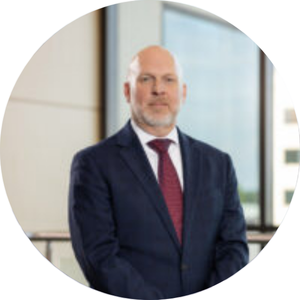
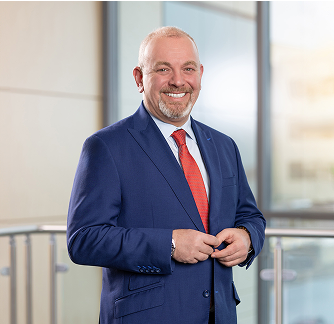
Welcome to Retire Smart Maryland. My name is Cynthia DeFazio. Joined today by Prashant Sabapathi and John DeFeo of Elite Income Advisors. And to our viewers at home, once again, thank you for being with us this week. We know that you think a lot about retirement, and we’re going to talk about how so often we look at market volatility as something that we should be nervous about, but there are some other risks that you should think about as well, besides market volatility. So thank you for being with us today, Prashant. How are you?
Speaker 1 0:50
I’m doing excellent, thank you.
Cynthia de Fazio 0:52
Good, good, good. I’m so glad to be back with you. And John, how are you?
Speaker 2 0:55
Doing fantastic. Thanks so much for asking. How about yourself?
Cynthia de Fazio 0:58
Doing wonderful. Thank you. And again, you gentlemen are so busy, so thank you so much for always taking the time to come into the studio, deliver such quality information to our viewers at home. I know they appreciate it, and I know I do as well. So, talking about being a retiree in today’s world, if you will, so often we think about market volatility. We’ve been blessed with great markets, but even more so than market volatility, there are some other risks that we need to take a look at to make sure that someone has peace of mind. Prashant, what else are we speaking of besides market volatility today?
Speaker 1 1:30
How about longevity risk?
Cynthia de Fazio 1:32
Ah, you
Speaker 1 1:33
know, people are just living longer. You know, medicine has gotten better, technology has improved, and I think as a result, you’re finding people even with illness are living longer. I’ve oftentimes shared the story of my mother, who unfortunately had dementia, and she was diagnosed when she was like in her mid 50s. I’m talking about 5657 years old, and she lived for nearly 10 years with that disease, right, and so that creates financial strain. Okay, it also creates emotional strain, by the way. And anyone who’s been through that knows exactly what I’m talking about. But market volatility is one component that could influence other factors. So longevity risk is a big deal, and then I think inflationary risk is a is a big concern as well. If you’re sitting at home, maybe you are thinking about this. What happens if the cost of living keeps going up in my retirement the way that it has the last several years? What if that continues in the future? Have you thought about how you’re going to handle that? Like John, how how do you think about how to deal with the inflationary pressures of cost of living going up in the future?
Speaker 2 2:51
Well, we talk about it all the time. the The higher the income, the better the outcome, right? So, the way that we look at this is how do we find a way to increase our income year over year based on what the cost of living is doing. Right, you know it’s it’s difficult to just use the CPI report, the the consumer price index for inflation because that is a broad basket of goods and services in the economy, and some of these things retirees aren’t spending their money on. Right, if you think about cars, TVs, cell phones; these things are actually becoming relatively inexpensive compared to what they used to.
Cynthia de Fazio 3:25
True,
Speaker 2 3:25
those are included in that consumer price index report. And how often are retirees out buying cell phones, TVs, and cars? Not as often as they’re paying for health care, which has actually increased significantly more than other goods and services.
Speaker 1 3:38
I think that’s a great point. Is you know inflation? The government tells us anyway that the inflation rate is coming down.
Cynthia de Fazio 3:45
That’s what they say.
Speaker 1 3:46
Okay, that doesn’t mean prices are coming down. It just means that they’re going up at a slower pace. But that being said, what happens if that pace speeds up again in the future? What happens if your income doesn’t actually keep up. Is that going to put your retirement plan in jeopardy? And you have to balance that risk with the risk of the stock market going through its natural ups and downs.
Cynthia de Fazio 4:11
Sure. And Prashant, you touched on this just a little bit a moment ago about just things that can change in your family. Well, that’s something that a lot of people will go through unexpected family challenges. What about taking care of even adult children who have lost their job that need to move back home? How often do people struggle with that if they don’t have a plan in place, John?
Speaker 2 4:31
It actually happens more and more today than than we’ve seen in the past. I think agreed. You know, the the job market’s a lot different than it used to be. It’s really hard to buy a house these days with prices for houses going up, interest rates being high. So we’re seeing more and more the empty nesters are actually getting the birds to come back to the nest, right? That’s right. So having a plan for that’s very important. But I also think that people don’t think about what happens when your spouse passes as well. That’s another risk. Or get sick, or get sick, and you have to provide care for them. How do you balance that out with your?
Speaker 1 5:04
Yeah, like imagine this: you’re working, you have a great income coming in, and now something happens to your spouse, just like what would happen to my mom when my mom got dementia. My dad absolutely had to adjust his work life to be able to help take care of her, and then he also had to hire caregivers and things like that to be able to come in and take care of her, and that was a financial commitment, but it was also a commitment emotionally and personally for him, and it speaks right to this core issue that family responsibility will absolutely change if some of these unexpected things come up,
Cynthia de Fazio 5:42
yes. Okay,
Speaker 1 5:42
so the question is not if it’s going to happen, will it happen? It’s how are you going to deal with it? It’s a tough conversation to have. Nobody wants to sit around and talk about a world where their spouse gets sick and now you have to change your whole life. But if it happened to you, you’re gonna deal with it one way or another. How much peace of mind could you have if you already had a plan in place that allowed you to deal with it? Okay, it’s a tough conversation, but if you’re prepared for retirement, you’ve had these conversations years in advance before you ever get there.
Cynthia de Fazio 6:18
And that’s so true. And viewers at home, as you know as well as I know, life happens. Things change, and so your retirement plan is not something that set it and forget it. It needs to be adjusted. It needs to be looked at over and over again because any of these changes can be a disruption for your retirement years. And I don’t think we can stress that enough because so often we’ve had people that have called in, they’ve come into the office, they’ve sat down with your team, and what you’re hearing so often, Prashant, is my advisor hasn’t reached out to me in over a year. I don’t even hear from him. He has no idea what’s going on in my life right now. How can that be a derailment?
Speaker 1 6:54
I think just like you go and do an annual physical with your doctor every year, just like you go get an oil change every 3000 miles or whatever it is on your car, you should be treating your financial plan the same way. So what I always say is we love seeing our clients two to three times per year, and that’s just regular maintenance or as needed. Okay, so what is as needed? As needed means you buy a house, you sell a house, you change jobs, you have a new grandchild-something that will influence your retirement plan in a constructive way-is an as-needed type of meeting, and so you should be visiting with your advisor as those life events happen because it’s a domino effect at the end of the day, right? Absolutely. Every part of your plan, in my opinion, impacts some other part of your plan. Your income affects your tax rate. Your tax rate could impact your investment plan or your investment strategy. It all could potentially affect your Medicare and healthcare. And so, the only way to do this is to have a comprehensive and coordinated plan so that you’re evaluating every every piece of it all at once. Yeah,
Speaker 2 8:08
and one other thing that we hear from a lot of of people that visit with us that might have another advisor is that there no there’s no proactive outreach. There’s no hey there’s been a change in this law. You know there’s an idea that I have to make your plan more efficient. It’s more reactionary. They meet once a year. They talk about their investments, and that’s it. There’s no proactive advice. Hey, the tax code’s changing. We’ve seen this new estate law change. We need to make some adjustments to the plan. They’re just not getting that proactive outreach,
Cynthia de Fazio 8:37
and that’s sad because that is so scary to me when you think about all the changes that can come from a legislative perspective. If someone is not being reached out to, you’re not hearing this information that can also derail the retirement plan. It’s just scary to me, Prashant. But we’re going to take a commercial break. I don’t want to scare the audience, but talk a little bit about your book because this is peace of mind. This is where you find security, Prashant.
Speaker 1 9:00
Yeah. So the book is fiscal health, retirement wealth. It’s an easy read. It talks about things like the five deadly risks of retiring today. It talks about rescuing your IRA. That’s creating a tax-efficient retirement. We talk about things like inflation, healthcare costs, a little bit of my personal experience in dealing with the terrible disease that my mom had. So what we’re going to do is we’re going to give out a free copy of the book. I’m going to cover the shipping for you. All you have to do is visit retiremaryland.com. There’s also a QR code. You’ll see it right here at the bottom of your screen. You scan that QR code. You answer a couple questions. We will make sure this book gets out to you. You can also schedule an appointment at the office just to have a confidential conversation. It does not mean that you’re agreeing to become a client. It doesn’t mean that I’m agreeing to take you as a client. It’s just a conversation about the things that are important to you. You can schedule that by calling 833308 5200
Cynthia de Fazio 9:59
Prashant, thank you so. Much John, thank you so much to our viewers at home. Once again, the number is on your screen: 83330852008333085200 Or you can grab your smartphone. It’s even simpler. Open the camera app and click on the QR code at the bottom corner of your screen. That’s the fast track to get on the schedule of Elite Income advisors and the fast track to get a copy of this book. Remember, we’re talking about a comprehensive retirement plan, and that’s not a statement that you grab out of your mailbox. It’s a comprehensive plan that designs your life, your needs, your goals very clearly. We’ll be right back momentarily. Don’t go anywhere. We have so much more on Retire Smart Maryland.
Speaker 1 10:47
Having a true written financial plan provides peace of mind in a way that nothing else really can.
Speaker 3 10:54
In our job, we want to make sure that we give it to our clients the guaranteed income stream for the rest of their lives, so they don’t have to worry about what’s going to
Speaker 1 11:04
happen. As a specialist in distribution, we’re helping people make sure that their money is going to last for the rest of their lifetime, so that they never run out of income, and minimize that tax consequence along the way, and then help transfer that to their heirs in the most tax-efficient way. I think the most important to me in the financial planning is the first of all, you need to understand what the client wants. It’s all about the client. So much of what we do at Elite Income Advisors surrounds helping people understand exactly where their paycheck is going to come from, how much it’s going to be, and making sure that most importantly that it increases through their retirement.
Cynthia de Fazio 11:49
Welcome back to Retire Smart Maryland. My name is Cynthia DeFazio. Joined today by Prashant Sabapathi and John DeFeo of Elite Income Advisors. And to our viewers at home, if you’re just joining us in this segment, we’re talking a lot about things that happen in your retirement years that can derail your retirement dreams, if you will, your goals, and how you can be adaptable and how you can be peace of mind in the retirement years is what we’re talking about today. And gentlemen, I think it’s so important to talk about it as well, in case someone’s in the viewing audience and they think they’re doing okay. I want to use the air quotes. Think they’re doing okay. How important is it to really get a second opinion on that to see where someone currently stands?
Speaker 1 12:29
You know, a couple years ago, I had a pretty serious neck issue, and so I went into the doctor. You know, I got one of those spinal injections. Yeah, didn’t felt feel like it really worked, so I went back and got another one. I was doing a follow up with the medical provider afterwards, and she said to me, “Option number one is surgery, and I was like, “Next surgery? Far I feel like I’m far too young for that to aging’s tough. Aging is tough. But that being said, I immediately went and got a second opinion, right? Because I didn’t really like the idea of getting neck surgery at this age. So, with that being said, we do it with every other part of our life. I mean, imagine you have a contractor come into the house to work on on on your basement. Are you going to just go with the first quote that you get, or you’re probably going to look around and see who could maybe do it at a lower cost, who might have a higher cost, but may do a little bit better work. I think it makes sense to look at what your options are. Maybe you’ll find that the advisor that you have is doing a great job for you, and maybe you’ll confirm that you made a great decision years ago, but maybe you’ll come in and maybe you’ll hear something a little bit different. Maybe you’ll hear something about taxes that you’ve never considered. Maybe you’re not sure about Medicare costs. Maybe you’re not sure about where your income is going to come from or whether or not it’s actually going to show up for you every single month through the ups and the downs of the market. If you’re not sure, just get a second opinion. What’s it going to cost you? It’s going to cost you about an hour of your time to come in and have a conversation. Some of you will find a lot of value in that. Some of you will find that you’ve already made a really good decision. You don’t need to make a change, and that’s totally okay. By the way,
Cynthia de Fazio 14:17
absolutely, John. When you think about it, so often people are working with the same advisor that they’ve had, let’s just say 20 years. But the problem with that is that if you’re working with someone that long, aren’t they more of the accumulation phase specialist versus the distribution? Can you talk about that?
Speaker 2 14:36
Yeah, you’re exactly correct. I mean, there are different advisors that specialize in different phases of life, I’d also mention that if you’ve been working with the same person for 20 years, have they changed up their strategy? Have they changed up their mythology mythology for how to actually plan? Right. Some of the rules of thumb that were useful and good a decade ago are no longer valid based on the new market. Conditions and new economic conditions. So, have they changed the strategy? I mean, as Prashant mentioned, it’s no cost to just get a different perspective on the plan. And if you find that everything that your advisor is doing, you’re confident in. Again, you’ve given yourself that that beat of confidence. But maybe there’s something that we’ll look at differently based on where you’re you’re at with your life and what our specialty is with retirement planning, and give you a different perspective to rely on. You know,
Speaker 1 15:26
I just thought of something. This has been really interesting. We have had people come to us who have been with their advisor 2025 years, and I think that’s great. If you have a relationship, a professional relationship for that long, it clearly means that something went right. Agreed. So I commend you. Okay, but here’s what I’ve been hearing a lot lately: is, hey, my advisor is getting ready to retire at the same time I am. Right? If I’ve been working with them 20 or 25 years, what’s going to happen when they retire at the same time or around the same time that you retire? Who’s going to take care of your money and your income plan and your Social Security optimization, your tax strategy, after your advisor retires, right?
Cynthia de Fazio 16:07
That’s true.
Speaker 1 16:08
And so I think it’s a fair question. I was visiting with a client recently who we manage a piece of her assets, and then she’s got actually another advisor who she has a great relationship with for 25 years, and then she tells me, “Hey, my advisor retired, and his assistant sent me a letter after the fact. No, and so she said I was kind of left in the lurch, not really sure what to do. And so, luckily, because we already had a relationship, we were able to like kind of backfill it and figure out what the best thing to do with her money was. But I just find that to be really interesting. It’s great if you have a long-term relationship with somebody, but I think you have to ask that question: Are they going to retire right around the same time that I am? Exactly,
Cynthia de Fazio 16:54
exactly. And so often people have so many questions regarding this, they just don’t know where to go for the answers. And obviously, working with your team is a phenomenal first step in the right direction. And Prashant, why are you so passionate about communication with the clients? Let’s talk about that for a little bit. Because again, I opened up saying people don’t hear from their advisor for years at a time, but your team, you’re very proactive. Where does that come from? That heart to always reach out to say how are things going,
Speaker 1 17:23
Cynthia. I’ve seen personally the impact of good planning, and I’ve seen the impact of people who don’t do enough planning. And you know what? There’s nothing more fulfilling as an advisor than watching your clients get to do everything that they hoped and wished that they could do when they got to retirement, and so if the cost is I have to have a lot of communication with client, if the cost is I have to be really in tune with what’s going on in their life, that’s a pretty small cost to pay from my standpoint. I love visiting with my clients. I love hearing about all the things that they’re doing. I actually have my own little bucket list based of things I want to do over the course of my life, based on everything that I’ve seen my clients do.
Cynthia de Fazio 18:07
I’m sure you do.
Speaker 1 18:08
And so it it doesn’t feel just like a professional relationship after you’ve done it for for quite some time. It feels like you’re very involved in people’s lives, and I think that’s the whole point of what we’re doing now. Yes, okay, we get to make a really good living doing what we’re doing. Our practice has grown year after year after year. We’ve brought on highly talented advisors, just like John, who’s a certified financial planner. We have Dan, who’s an MBA. We have Connor at the office. Nick Interbeckler’s been with me here for the better part of a decade. Yes, it’s really cool, but if the cost of all that growth is having to communicate more with my clients, I’m good with that. I’m perfectly happy to to have that be the outcome.
Cynthia de Fazio 18:51
Absolutely. Well, Prashant, talk a little bit about your book before we take our next commercial break, because I know we want to offer our viewers a copy of this today.
Speaker 1 18:58
It’s Fiscal Health Retirement Wealth. When I wrote it, I wrote it with a little bit of a medical background. If you know anything about me, everybody in my family is a doctor. Both my parents and my brother are physicians, and somehow I kind of wonder how I ended up doing this work. But that being said, yeah, yeah. But that being said, I wrote this with a little bit of a medical mindset to it, so that’s why it’s called fiscal health, retirement wealth. It is your prescription for income generation, tax management, and financial peace of mind. I’ll give you your own free copy of the book. All you have to do is visit retiremaryland.com or scan the QR code, fill out a short questionnaire. My team will get this book out to you ASAP. Fiscal Health Retirement Wealth.
Cynthia de Fazio 19:44
Prashant, thank you so much. John, thank you so much once again to get a copy of this book. Don’t miss the opportunity. Call in today 833-308-5200 or 52008333085200 Or you can grab your smartphone. Click on the camera code after. The QR code is what I’m trying to say. That’ll take you right to the landing page of Retire Smart Maryland. We’re going to take a very short commercial break. Don’t go anywhere. When we come back, we’re talking more about how you should plan properly for your retirement and how certain things can derail it if you’re not prepared. But the hope is having a plan. Stay tuned. We’ll be right back momentarily.
Speaker 1 20:21
Do you own an annuity? Are you aware of what type of annuity you own? For years, annuities have been a cornerstone of retirement planning, but they’re not all created equal, and your current annuity might not be serving your retirement goals. The good news is, rising interest rates could mean better guarantees and better benefits for your existing annuity. If your annuity is not working for you, when would you like to know? Call now for your complimentary annuity review.
Speaker 4 20:55
You’ve worked hard to build your legacy, but without a clear estate plan, everything you’ve built could be vulnerable to delays, legal battles, and unnecessary taxes. Probate can take months or even years, and you leave your family with added stress during an already difficult time. And many people think having a will is enough when it’s only part of the picture. That’s why we created the estate planning readiness quiz. It walks you through the key areas like powers of attorney, healthcare directive, trusts, tax strategies, and more. In just a few minutes, you’ll find out how prepared you are and where you may need help. It’s not just for the wealthy; it’s for anyone who wants to protect what they worked for. Scan the QR code or visit eialegacyquiz.com to take your quiz today and start planning with clarity.
Cynthia de Fazio 21:45
Welcome back to Retire Smart Maryland. My name is Cynthia DeFazio. Joined today by Prashant Sabapathi and John DeFeo of Elite Income Advisors, and we’re talking all about when you’re in your retirement years. There are other things that can derail your plan besides market volatility. So thank you for being with us on today’s show, gentlemen. Overall, I think the main vein that I’m getting from today’s show truly is that when it comes to retirement planning, it’s multi-dimensional. You have to look at so many different facets, so many different views on what’s currently happening in not only someone’s situation but also in the world, if you will, so it’s very impactful, correct, John?
Speaker 2 22:23
It absolutely is. I mean, if you’re going to go on a road trip, you’re not just going to jump in the car and figure it out, right? You’re probably going to put it in your GPS. You’re probably going to look at some stops along the way, ensure that you have enough gas. I mean, you’re going to plan. Why wouldn’t you do the same thing for your retirement and ensure that it’s updated on a regular basis to pivot and and you know kind of navigate the ebbs and flows of what’s happening in your life and in the world with things that we cannot control. It’s about
Speaker 1 22:49
flexibility at the end of the day, right?
Cynthia de Fazio 22:51
Yeah,
Speaker 1 22:51
isn’t it? It
Speaker 2 22:52
is. Don’t we
Speaker 1 22:53
want more options as we get to retirement? It’s like with anything else. The sooner you start the planning process, the more potential options and flexibility you’ll have down the road. A lot of people find that maybe they started saving really late in life, and so their only option is to either a reduce their standard of living when they get to retirement because they didn’t save enough, or b save so much over a short period of time that they can make up the gap, right?
Cynthia de Fazio 23:25
Yes. But
Speaker 1 23:26
simply by starting earlier, even if you’re saving less, starting earlier over a longer period of time could leave you in a much better position. And the same thing goes for planning. The earlier you start inherently, the more options, the more flexibility that you have, what I’ve found is that the more flexibility that somebody has, the less stress that they have when they get to retirement. Do you want a retirement that has more flexibility, less stress, or the opposite? And I think we all kind of know what what camp we’d rather fall in.
Cynthia de Fazio 23:59
Most definitely, and I think the most important piece that someone can follow obviously would be the income plan, correct? Because income is the outcome, John, and that’s what you are so passionate about. You and the whole team is designing that so that people have peace of mind, knowing that they do have that in place, just in case anything else changes around them.
Speaker 2 24:17
Agreed, 100% And I think that’s where we start the planning process there because that’s the most important thing to people is where is the income coming from? How much do I need? You know, do I have enough savings to be able to produce this meaningfully? So I think that’s why we start with that because it’s so important.
Speaker 1 24:33
Yeah, and people always ask us like, “Hey, what’s your minimum? How much money do we have to have in order to work with you, and John and I have said we don’t have minimums. Okay, we some of our best clients have 50 or $100,000 saved. Conversely, we’ve met with people that might have you know approximately 2 million or roughly $3 million who are not in a position where they can actually meaningfully. Retire because that amount of money for some people-not for everybody-but for some people might not translate into the level of income that they actually need to make their plan work. So our philosophy is that retirement is not about how much money you have; it’s really about how much income that money can effectively generate for you, and whether or not the income that it generates gives you a lifestyle that you can feel really good about. And if you’re unsure, I think that’s where you have to start. It’s part of the reason we named the company Elite Income Advisors. Yes, is because retirement is all about the income.
Cynthia de Fazio 25:40
And I love this, and I wish we had one with us today. But the crystal swan, yes, to sleep well at night. Those are in your office. I have one. I love mine. It’s on my desk at home. Talk about the ability to sleep well at night when you have the right plan in place.
Speaker 1 25:56
Well, isn’t that what planning is all about? Whether it’s for your health, whether it’s for your wealth or really anything else, I think the more preparation you have, the more comfort you’re ultimately going to have. It’s kind of like you know, I remember the days when I was in college, and you stay up the night before your big final exam, and you just cram, and then you walk, and then you walk into the test, and you’re like, man, I don’t really know what I’m talking about. But then we all have the days where we studied for 2345, weeks right before that final exam, and we felt super prepared for it. Right? Why are we losing sight of that just because we’ve graduated from high school or graduated from from college? Right? It’s the same exact principle. The more prepared we are, the more hours we’ve spent on the front side. Typically, the better the outcome is going to be.
Speaker 2 26:47
Yeah, and if you think you think about it, I’m sorry for interrupting. Not at all. Every hour, every minute that you’re spending stressing about your financial situation, whether you’re going to be able to make your money last, is one minute, one hour that you’re not doing what you love to do. That’s right. So when people ask me what I do for my profession, I let them know I give people back time. I help them, you know, live a more fulfilling life and and spend more time doing the things that they want to do with their family and not have to stress about the financial piece of that. I
Cynthia de Fazio 27:17
love that, John. Thank you so much, folks. If you are
Speaker 1 27:19
not sure where you stand financially. If you’re not sure whether or not you’re on track for the retirement that you deserve after 234, decades of hard work, scan the QR code. Visit retiremaryland.com. Get your free copy of the book, Fiscal Health, Retirement, Wealth. You can also schedule a complimentary visit with our team of advisors just have a conversation about your situation. Also, free across 833308 5200
Cynthia de Fazio 27:46
Thank you, Prashant. Thank you, John. To our viewers at home, thank you. Please call in 833-308-5200 for a copy of this book. Be safe. Be happy. Be blessed. We’ll see you back one week from today. Take care.