Speaker 1 0:01
The retirement isn’t all doom and gloom. The majority of retirees say things are actually going better than expected. Do you want to know their secrets? We’ll break it down today on Retire Smart Maryland Radio.
Announcer 0:16
Welcome in to Retire Smart Maryland Radio with Prashant Sabapathi.
Speaker 2 0:23
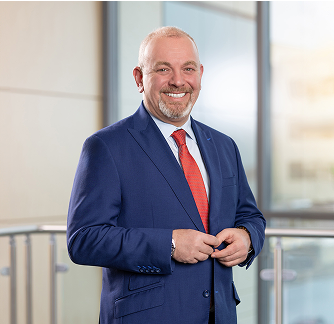
Welcome in Retire Smart Maryland Radio, your host Prashant Sabapathi, and you can find him at Elite Income Advisors. They’re headquartered in Ellicott City, and they have a satellite office in Annapolis for your convenience. Prashant is an independent fiduciary, he’s also a published author, couple of books already to his credit, physical health, retirement, wealth, and retire abundantly. I’m Morgan Patrick. My pleasure to go back and forth on retirement topics each and every week. So important to be ready for retirement, have a plan for retirement, and again work with someone you trust. Now, there are a lot of you out there that are sitting on portfolios and haven’t thought about the planning process. Well, now you should, and there are just as many that are halfway down this path, but you’re frustrated, and maybe you need that second opinion. We’re going to give you that opportunity today, and it comes at no cost. So, stay tuned. We’ll tell you about those appointments with Elite Income Advisors as we move through. And, as I always do, we start off by basically asking the question, How was your week, Prashant?
Speaker 1 1:19
Hey, it’s good to be back, though. The week’s been really great, just busy, busy, and busier and busier every single week. I know I say that almost every week, but it truly has not slowed down. Obviously, the lot going on in the markets, we saw some improvements in some areas with the trade conflict in China, and that’s kind of buoyed markets. You had the Federal Reserve making an announcement, you had inflation data come out, and we’ll be looking forward to GDP data for Q coming up here in the next few weeks, and I think all of that together has just created an environment where people I think are in a position where they want to take action, I mean, that’s one of the biggest changes, Morgan, that I’ve seen year over year, is I feel like the people that are coming in to visit with us are actually there to take constructive action and take control of their financial plan. We don’t get too many people just coming in for just getting a second opinion, we get people coming in with concrete concerns who are ready to address those concerns and take action, because I think the more uncertainty there is, I think I think it scares people, rightly so, and they’re ready, the folks that we’re visiting with are ready to take control of their retirement, so that’s really exciting, but I’ll tell you what, it’s kept our team busy, and look, in my business, I’d rather be busy than not. So, I welcome it. I appreciate the audience, both on TV and radio, and we’re looking forward to helping hopefully several 100 more people throughout the course of this year.
Speaker 2 3:00
I tell you, you think about it. We say it all the time. Retirement doesn’t happen in a vacuum. And, boy, I tell you, there’s a lot of stuff swirling around, and you mentioned the market, you mentioned taxes, you mentioned tariffs, trade wars. I mean, it is going to impact your bottom line. So, make sure you are planning for it, so you probably heard it. Inflation’s up, market’s rocky, cost of living keeps going up. But here’s an interesting twist. I saw these numbers, Prashant. I know you’ve seen them too, but 72% of retirees say, and these are people that are already in it, they say their retirement is going better than expected, so what’s behind all the good vibes. So, let’s look at these things today, and what retirees are doing correctly, and how you can put these same types of strategies to work for you. All right, so the first one, this 72% group, they’ve built multiple sources of income.
Speaker 1 4:02
Yeah, actually, there’s five things here I wanted to go over, and actually, let’s go through number one and number two. So, number one, like you mentioned, is that they’ve built multiple sources of income, and number two is that of those multiple sources, at least one of those sources is predictable income that they can always depend on, so you know, going back to that first one, multiple sources of income. What does that truly mean in today’s day and age? I think number one is you look at things like social security, you look at things like a pension, annuities, rental income, part-time work, even dividend-paying investments, all of those is a unique stream of income that is providing us with some sort of a lifestyle that we can feel good about when we get to retirement, and you know, I thought this was really interesting. According to Transamerica Center, 66% of retirees have at least two sources of retirement income, so that’s two thirds, roughly, uh. Of you know successful, happy, fulfilled retirees have at least two sources of retirement income, and so look, one thing we say all the time is the higher the income, the better the outcome. When you get to retirement, what better way to get to a higher income than creating multiple sources of income, and then kind of, you know, segwaying that into number two, which is predictable income. I think that becomes super important. Market ups and downs don’t rattle these particular subset of retirees, and why is that? It’s because many of them really structured in guaranteed income as a part of their retirement plan, and when we say guaranteed income, we’re talking about income that is not subjected to the ups and the downs of the market, and what I found in our practice is that guaranteed locked-in predictable income resonates with retirees, because when the Dow Jones drops by 800 points, or 1000 points, or 1200 points. They don’t have to worry quite as much, because they’ve secured what I call sleep well income from annuities or bond ladders, and it’s almost like switching a piece of your retirement paycheck to cruise control. And I think a lot of people find a heck of a lot of security, and heck a lot of value in something like that.
Speaker 2 6:23
Yeah, I mean, that’s that confidence, right? The what some people call it, the sleep insurance. Yeah, that’s exactly right. Yeah, you can sleep a little bit better. Again, think about it. 72% of retirees in this survey say their retirement is going better than expected. So, what are they doing? They’ve got the multiple sources of income, and of those sources, they’ve locked in predictable income within their portfolio, and this is another thing they’re doing. Prashant, they have consolidated their accounts, and when we say that, think about the how many accounts you have out there floating in the ether, bring it together, consolidate
Speaker 1 7:00
more confusion, more stress, less organization. This one’s really simple. We don’t even need to go that far into it. Instead of having five or six old 401 k’s or IRAs with passwords you forgot and statements that are collecting dust, a lot of people are consolidating into one, maybe two accounts with a clear cut focus, clear cut plan, less paperwork, potentially fewer fees and more peace, so that’s number three. And then number four, right here, and five. Before we got to get to a break, number four is that people are using catch-up contributions wisely, right? It gives you an opportunity to save more money if you’re over the age of 50 years old. Utilizing catch-up contributions allows you to save more money, which thereby helps you create a bigger paycheck or retirement income when you get to that next phase of life, and so catch up contributions should be thought about as a second chance, right? It’s a second chance to bulk up your retirement nest egg, and then number five, they’ve built a really solid balanced investment mix. Okay, despite volatility, most retirees aren’t panicking, at least the ones that we work with, and that’s because their portfolios are built to weather storms. Going 100% low risk too soon is like switching to decaf coffee during a road trip, right? It’s like you need that extra oomph to get through that big road trip, and the same thing goes for retirement. Your money has to be working for you to get to the phase that you want to be. Phone number folks, as we head to the first break, 800-653-8404 If you want to retire with confidence and not confusion, a lot of these five moves are your foundation. The key is planning for income, not just for assets. If you’re not sure where to start, pick up the phone, schedule a complimentary visit with our team at Elite Income Advisors, totally free of cost, no obligation. That phone number again, 800-653-8404
Speaker 2 8:58
When we return on Retire Smart Maryland radio will identify some retirement red flags, but we’ll also give you some tips on turning them into green lights. That’s coming up next. We are back on Retire Smart Maryland radio hosted by Prashant Sabapathi. You can find Prashant at Elite Income Advisors. They’re headquartered in Ellicott City. They have a satellite office in Annapolis. Independent fiduciary, yes, he is. Published author, couple of books: fiscal health, retirement, wealth, and retire abundantly. It’s all about getting you ready for your retirement. I’m Morgan Patrick. It’s just a pleasure to jump on and talk about the importance of just being ready for your golden years, your retirement. Make sure you’re planning for it. Prashant, I know we’re going to dive into retirement red flags and how we can turn those into some green lights for people, but it’s very important for people to understand what we do here on the radio. We offer a service, and it is complimentary. That means if you have any questions about what’s going on with your retirement, and there are many of you that are sitting on portfolios, and they’re just as many that have something going, but maybe you’re a little bit frustrated. But we open up these appointments, and they’re complimentary.
Speaker 1 10:17
That’s exactly right. You know, we had to get to the break, there, so that phone number again, folks, it’s 800-653-8404 and one thing that we talk about with all the folks that come in to visit is making sure that you have a written income plan that you can rely on, right, whether it’s creating stability surrounding your income with annuities or layering income into your portfolio, whether that’s through dividend paying equities or bond ladders, it is all about the income, and I think one thing a lot of people have trouble with is understanding exactly how much income they’re actually going to be able to rely on when they get to retirement and more importantly, How that income integrates with the rest of your financial plan, whether that affects your taxes, your health insurance, everything needs to be coordinated in this day and age, and what we’re finding is a lot of people, even the ones that work with advisors, don’t actually have a written plan in place that they can rely on to understand where their income is going to come from, how much it’s going to be, and how it’s going to be taxed when they receive it, when they get to retirement. So those are the types of things we take every single person through when they come in to visit. It’s totally complimentary for that initial visit with us, even for us to put a plan together for you is actually complimentary, believe it or not. There’s no obligation. All you have to do is pick up the phone, give us a call. It’s 800-653-8404 It is a little bit of an investment of your time to come in, have a conversation, but when you come in, we address the concerns that you specifically have, and so it’s not about what we want to show you, it’s really about what’s important to you, and I think that’s why, quite frankly, Morgan, that’s why our practice has been so busy this year. I think we’re doing a really great job helping people address their concrete concerns.
Speaker 2 12:15
Yeah, I mean, I like the way you phrase that. I mean, the only thing it’s going to cost you is your time, and how important is your retirement to you? I mean, make that decision, call the number, grab one of these complimentary appointments, and kind of see where you sit. 800-653-8404 And again, Prashant brings out great points. There’s so much that goes into retirement planning. It’s not cookie cutter. It needs to be customized. Your situation is completely unique to you. Have a customized plan put together for you. Again, that number 800-653-8404 So we’re back to it. Red flags, these are things that you don’t want to be seeing, but if you are in the middle of some of these, here we got some ideas on how you can, you know, correct, I guess, that the flight that you’re on, as far as going towards retirement, so red flag number one, if you’re living paycheck to paycheck, little or no retirement savings, I mean, this is an obvious red flag.
Speaker 1 13:13
Yeah, I mean, it’s a big one, right? If you’re consistently spending everything you earn, there’s effectively no money left to grow for your future. I mean, I think a lot of us can probably appreciate this concept, that while you’re working, your financial life really is just about what I call money in and money out. And look, if you’re in a position where the money in equals the money out, or heaven forbid, the money in is less than the money out, then that becomes an issue, right. And so, trying to save for retirement, but not really have having the proper income to be able to do so. It’s almost like it’s almost like trying to climb Mount Everest and flip flops, right? Like, it’s just, it’s just not going to work out for you. So, look, at the end of the day, this is just a big math problem. We have to have more coming in than is going out to be able to save, and so how we turn this into a green flag is starting small. I think even the most successful investors, savers, retirees started somewhere, and oftentimes they started really small. So I challenge everybody who’s in this position to start setting aside just a little bit from each paycheck to start investing, saving, investing in your retirement. That’s the type of thing that can make a pretty big difference over a long period of time.
Speaker 2 14:34
I love the mountain climbing analogy, because you need a lot to climb Mount Everest, and flip flops not going to work, no, not going to work at all. All right, red flag number two: carrying significant high interest debt as you approach retirement. Some people are trying to keep up with the Joneses, some people are putting a lot of money on credit cards, and this is a big no-no.
Speaker 1 14:54
I mean, just think about it. Imagine earning 6% in your retirement account, but you’re paying 20. 2% on a credit card, hypothetically, right? It’s almost like you’re trying to, like, bail water out of a sinking boat, almost, right? Like you’re making progress, but that progress that you’re making is actually not enough to keep up with your boat sinking, and so this comes back to me in terms of creating a plan, you know, I think debt payoff is just as much financial as it is emotional, yeah, and as it is attitude. Okay, and I think that’s difficult for some people to hear, but I make a commitment when we talk to our clients that we don’t lie to them, we’ll tell them as it is, right. And sometimes you got to have hard conversations, and I’ve had those hard conversations where you sit down with someone, you go, “Look, you guys bring home seven or $8,000 a month, and your mortgage is 2000 a month. Where is the rest of this money going? Are we truly spending it on things that are absolute necessities on a month to month basis, or if we’re being honest with ourselves, are you wasting some of this money on things that are not necessities? And I think that you should have a partner in your financial plan that is willing to challenge you and hold you accountable, because you should be holding your advisor accountable as well. So, how we turn this into a green flag is develop a real debt repayment plan. Prioritize tackling high interest debt balances first. Explore your options, whether it’s, you know, retirement account withdrawals, balance transfers, whatever’s on the table. It should be explored to get you in the best situation as you can possibly be in, and if your advisor isn’t doing that, I think you might have to ask the question, whether or not you’re working with the right person.
Speaker 2 16:47
Yeah, the next red flag, Prashant, kind of ties into that one, and that is just having a plan, knowing where your money’s going, and that is, if you don’t have a clear picture of what your overall spending plan is, this is danger zone. One of the most powerful
Speaker 1 17:03
exercises is over a two to three month period of time figuring out exactly where all your money is going, and when I say all your money, I truly mean all your money. Like one of the exercises I started doing, Morgan, is like I can tell you in the last seven years when I really started doing it myself, I can tell you every single penny that I’ve spent in the last seven years, every last penny is accounted for, and as a result, what I’ve seen happen is in the last seven years we’ve gotten a lot more discipline, my wife and I, we’ve gotten a lot more financially successful, and that’s not just because we have a nice practice and we have income, it’s because we know exactly where every penny is going every single month, so I can identify what I’m wasting money on, and now because I’m holding myself to that standard level of accountability, it makes me want to invest more and not waste money, and so how you turn this into a green flag, is develop a real spending plan. You should have an idea of what your payments are every single month, and when you have that understanding, you can actually create a concrete plan for how much is going to go to wants, how much is going to go to needs, and how much is going to go to saving and investing for your future, it sounds so rudimentary to just write some of this stuff down, but it is truly one of the most powerful exercises that people can go through.
Speaker 2 18:28
All right, so how many red flags are you checking off the boxes? You need an appointment, you need to talk about it, you need to have a plan. We have complimentary appointments again with elite income advisors, and again, you’re leaving the checkbook at home. This is complimentary. Call now: 800-653-8404 That’s 800-653-8404 I want to jump to this next red flag, because I think it’s very important, and you’ve got some experience here, just with your family, Prashant, and that is, if you’re ignoring or avoiding planning for health care
Speaker 1 19:00
in retirement, this is a big, big mistake. Yeah, absolutely. I mean, you got to remember, Medicare does not cover everything, right? So, think about dental, think about vision, think about long-term care. A lot of those expenses fall back on you in retirement, unless you plan ahead. Okay, so I’ve shared my story on this show and on my TV show week after week, and that’s that my mom was in a long-term care situation. She was diagnosed with dementia when she was 56 years old, and by the time she passed away at 6065 years old, you know, nine years later, I think we had estimated as a family that we spent out of pocket somewhere between three quarters of a million and a million dollars in out of pocket expenses taking care of her for long term care. I think one of the biggest misconceptions is that Medicare picks these types of expenses up and it could not be. Further from the truth, so how we turn this into a green flag is start researching your potential healthcare options in retirement. Don’t wait until you’re a month away from retirement. Start looking at it two years away, a year away, six months away from retirement, and think about Medicare. Think about Medicare supplements. Understand what these plans cover and what your out-of-pocket costs might be. Consider health savings accounts if you’re eligible. Those are the types of things that go a really long way, having those tax advantage benefits. And by the way, if you can’t ask your advisor about this, or if your advisor hasn’t proactively brought this up, I think it’s a fair question to ask whether or not you are truly working with the right specialist, Morgan. Do we have time for one more here?
Speaker 2 20:46
Time for one more final one. And this again is a red flag. How do we turn this one green? Not having a plan for how you’re going to spend your time, this is a non-financial question, but not having a plan for what you’re going to do in retirement.
Speaker 1 20:59
Yeah, I love this one, because you have to plan with the end in mind. Unless you know what you want your life to look like, it becomes really difficult to plan for how much income you need to live that life if you have no vision for what that life needs to look like. So, turning this into a green flag, start thinking about what you’re looking forward to in retirement, beyond just not working. Like, who do you want to be doing retirement with? Where do you want to be? What’s going to make your life as fulfilling as possible? Once you figure some of that stuff out, you can build a plan to get you from point A to point Z. Okay, retirement folks isn’t just about money, it’s about peace of mind. If any of these red flags hit home for you, you are not alone. The good news is that there are proven ways to go about fixing them, whether you’re dealing with debt, unsure about health care, or maybe you’re just feeling behind. That’s where we can help you. Give us a call today, and let’s build that plan that clears the roadblocks and replaces that stress with strategy. Your future deserves it. And so our phone number is 800-653-8404 That’s 800-653-8404 It’s totally free of cost for you to come in and visit with our team. It’s just a conversation to see where you stand. 800-653-8404 offices in Ellicott City, Annapolis, or available virtually.
Speaker 2 22:24
Tell you, folks, get on this right now. Retire Smart. Maryland Radio continues on the other side. Cold Hard Truths About Retirement. It’s coming up next. Retire Smart Maryland Radio, hosted by Prashant Sabapathi, Elite Income Advisors. Check out the website, great resource, Elite Income advisors.com Prashant is an independent fiduciary, published author, fiscal health, retirement, wealth, and a second book, Retire Abundantly. It’s all about having a plan. I’m Morgan Patrick. My pleasure. Jumping on, talking retirement, and we’ve hit a lot of interesting topics. The most important thing that you’re going to learn from this show, a lot goes into retirement. Make sure you’re planning for it, make sure you’re working with a fiduciary, have that confidence that your plan is there and solid, and you can sleep better at night. So, again, I mentioned this as we were coming out of the last segment. We’re going to get real about retirement. We’ve got some cold, hard retirement truths. Here’s the first one for you, Prashant, and just get your comments. You might live longer than you think. I tell you, with so many advances in medical science, better diets, exercise. Guess what, we’ve got longevity.
Speaker 1 23:44
A 65 year old today has about a 50% chance to live to about 85 years old. Morgan, I mean, is that crazy? I mean, half of people are gonna live to at least age 85 I mean, amazing. You gotta plan for a long retirement, don’t you? I mean, you got to plan for a 30 year retirement, not just a 15 or 20 year retirement. So, you want to consider investments that offer not just long term growth, but also maybe distributable income over time. But look, planning for 20 years of retirement when you might live 30, is like packing for a weekend trip, and then staying for a whole month, right? Like, don’t don’t let your money run out before your life does, right? Now, of course, everyone’s situation is a little bit different. Maybe you have a medical condition or something that you know you have life expectancy concerns that maybe don’t push you that far, but think about this. If you’re married, what happens if one of you has great longevity, great family history, but the other doesn’t? You still got a plan for one person living 2025, 3035, years in retirement. I mean, we do a lot of work with like it’s. Some Anne Arundel County firefighters, some Baltimore City police, and what’s really cool about those service workers, service who have put in that type of service, first responders, is that they get these pensions right, but they get in when they’re really young, they put in their time, they serve our communities, and then they retire when they’re like 48 or 50 or 55 years old, and so what happens if the guy who retires when he’s 48 lives to be 85 years old? It’s a long retirement, he’s going to spend more time in retirement than he actually spends working, right? And so, and we have some clients like that, and they thank goodness they have the pension and the drop program and deferred compensation, and that type of thing, but I think you have to plan for a 30 year retirement. You might not make it there, but what if you do? Are you ready?
Speaker 2 25:49
I tell you, you got to have a plan for this. This next one goes right in line with that, and it makes me think of the classic car, and the classic car is defined as a car that is 21 years old, right. So think about that, Prashant. A new classic car this year was put out in 2004 I mean, I think about that, I’m like, oh my gosh, man, we’re getting on up there in the age chart, but you know, health care costs. Think about a classic car, if you’re 21 years older, number one, it’s hard to find the parts. Two, it’s gonna be very, very expensive, and we’re all classics as we go into retirement. So, having health care in line, understanding that health care costs – this is another cold hard truth – healthcare costs are gonna be a major expense, even if we feel 100% healthy heading into retirement.
Speaker 1 26:40
I think Fidelity released a study recently that said a healthy couple retiring at 65 can expect to spend over $315,000 That’s a healthy
Speaker 2 26:51
couple,
Speaker 1 26:51
healthy out of pocket on healthcare in retirement. That is like buying another house. I mean, what are we doing here, right? Like, that’s crazy. And so, look, if you’re going to incur that cost, that’s got to come from somewhere. So think about this: even if you did an awesome job saving, you saved really diligently, you were putting away 8% 10% 15% of your paychecks into your 401 k, you got to retirement, you have $1 million saved, and now you’re supposed to live on that $1 million but not just that. In addition to the income that you need to live your life of that $1 million you might need to spend an additional 315,000 after tax over the course of your lifetime on health care. How are you going to do that? So, one suggestion is you might want to start looking into things like health savings accounts, you want to revisit things like Medicare supplement plans, and you got to do that stuff before you retire. I think $315,000 just on health care is such an astronomical number. If you are not ready for that, that is the type of thing that will create a true, like earth-shattering retirement. When you get there, if you’re not properly prepared for that, that ends up being so much extra money.
Speaker 2 28:15
I mean, it’s mind-blowing to think that you know the average healthy couples, 315 and we didn’t even talk about long term care. We’ve already mentioned long term care on the program, correct?
Speaker 2 28:24
That’s an even bigger expense while you are in a facility or in home care, but long term care goes right along with that. Now, this next one, we don’t know what’s going to happen in the future when it comes to social security, so if you’re depending on social security as being a lot of what you’re doing in retirement, watch out.
Speaker 1 28:44
Yeah, I mean, look, if you look at 2024 the average social security payment in America in 2024 was about $1,900 per month. That’s hardly enough to live on, and so our suggestion tends to be treat social security as a supplement. Okay, not your main source of income. You want to optimize your benefits, so make sure you understand when is the best time to collect it. Do you collect it early? Do you collect it on time at full retirement age, or do you delay that benefit until 70? Right. So, these are the things you have to consider, and if you’re married, how do you coordinate your benefit with your spouse’s benefit? We have to take a look at that type of thing, but social security alone, I think we all kind of agree that’s not enough to retire the way that we want to.
Speaker 2 29:33
Cold hard truce when it comes to retirement opportunity to talk about your situation with elite income advisors ongoing during the course of this show, all you’ve got to do is call 800-653-8404 It’s a complimentary appointment. You’re leaving the checkbook at home. If you’ve got any questions, 800-653-8404 Every day is a Saturday in retirement, and the last time I checked, I spend money on Saturdays. Prashant, I don’t know about you, but. Going to spend more money for the fun, when you get to retirement,
Speaker 1 30:03
you know, the go-go years can get pretty expensive, right? When every day is a Saturday, you are spending money, and that, that is the prime of your retirement. It’s typically going to be between like 62 and 75 years old, right? Those are what we call the go-go years. It can be expensive, but I’ll tell you what. In talking to my clients, it’s worth it, right? If you budget for joy, not just bills, retirement becomes the reward that it actually should be. And that’s the whole point of retiring, is being able to do all the things that you never got to do because your career was in the way, so instead of worrying just about how we’re going to pay the bills, let’s structure some income into retirement, so that people can actually do the things that they never got to do while they were working. That is what makes retirement fulfilling. And Morgan, I know that, because we do reviews with our clients all the time, and they tell me about all the cool things that they’re doing. I had a client just do a month long trip to Australia and New Zealand, and you know what, they were not worried one bit about coming home or anything like that, because they had something to get back to. They enjoyed that trip with full focus, full clarity, and it’s only because their financial plan allowed them to have the comfort and security that they needed. I love hearing these stories, and it’s actually got me creating a little bit of a bucket list for myself one day, which is pretty cool.
Speaker 2 31:31
I tell you, it’s fun to think about, but certainly you want to be able to afford it. You need to plan for it. This is your retirement. Last one we have time for, we’ll hit it real quick. And this again, cold hard truths about retirement: taxes don’t retire, they continue.
Speaker 1 31:47
Now, yeah, they continue pretty significantly. In fact, I think most people kind of think that tax rates are probably going to go up, and so just because you retire doesn’t mean your tax bill retires as well. You got to think about those traditional 401 k plans, those IRA plans that you took the tax deduction upfront for making contributions, all of that stuff gets taxed as income when you withdraw it, and so what happens if tax rates go up in the future? All of those withdrawals then potentially get taxed at a much higher rate, and so higher rate of tax means less net income to your pocket. Less net income to your pocket means you got to make a choice on how to adjust your lifestyle or how to take out more money without running the risk of running out. So folks, these truths we bring them up not because they’re the most fun thing to talk about, but understanding them becomes really freeing. Knowing what to expect is ultimately what gives you power. If you want a retirement plan that’s built on facts and not wishful thinking, pick up the phone and give us a call. It’s 800-653-8404 That’s 800-653-8404 We’re going to walk you through longevity planning, inflation proofing your retirement tax strategies designed to protect your nest egg, not just from market volatility, but from Uncle Sam as well. We’ll talk about your lifestyle. Retirement doesn’t have to be uncertain when you have facts on your side. 800-653-8404
Speaker 2 33:22
We’ve got more Retire Smart Maryland Radio coming up after the break. Retire Smart Maryland Radio hosted by Prashant Sabapathi, Elite Income Advisors, where you can find them. They’re headquartered in Ellicott City Satellite Office in Annapolis. For your convenience, check out the website Elite Income advisors.com It’s a great resource for you. Elite Income advisors.com Our shows are in podcast form. There, links to the TV show, again, Elite Income advisors.com Prashant is an independent fiduciary. I’m Morgan Patrick. We go back and forth on the topics, and now we are on to our scenarios. But before we jump in, you heard Prashant say, you know, meeting with clients, talking about the go-go years, things they want to accomplish early on in retirement. He’s starting to create his own bucket list. So this is exciting. I mean, think about it. We’ve worked our entire lives, right? And think about what Prashant has been doing. He has spent his life helping you plan for retirement, so he’s got some pretty good ideas on maybe some things he wants to check off the bucket list. So I’m just going to ask you real quickly, Prashant, if you had two things they had to bring out right now. Now, these obviously can change. They’re not written in stone, they’re not carved in granite, but a bucket list, couple of bucket list items for Prashant.
Speaker 1 34:47
Like I said, I get to talk to all of our clients about what they’re doing, and as they share really cool stories with me, it makes me add to my list. So, the two things that I think I would love to do one day that I will do. One day, let’s even say that number one has got to be safari in Africa. Okay, like I’ve had probably four or five clients tell me about their safari experiences and show me pictures, and oh my goodness, it looks incredible. So I would love to do that, and obviously, you know, getting to South Africa, there’s direct flight from Washington DC, so maybe that’s in my future, that’s number one. And then the second one is something that I didn’t think I would ever say, but it would be to do a river cruise through the Amazon, actually in South America, which is, which is pretty sweet. We’ve had a couple clients do that, and that’s something that normally I would never sign up for, but I’ve had the good fortune, you know, a couple years ago my wife and I were out in Switzerland, and every time we take a big vacation, we try to do at least one thing that we would normally say no to, and one of the things we got, we did on our Switzerland trip is we went up to the top of a mountain, and it’s called a Glacier 3000 experience, and it’s not something we would normally do, but it was one of the coolest things ever. So we went up there, getting to see the world from that high up is just one of the neatest things that we’ve ever done. And so kind of feel like the Amazon river cruise would be an experience like that, something we wouldn’t normally do, but something that looked awesome when our clients did it, and I would love to do something like that.
Speaker 2 36:23
Wow, we could do a whole show on potential bucket list items, but it’s about retirement, it’s about planning. You want to be able to, one, you know, do them, but be able to afford these types of events for your bucket list. Or, Morgan,
Speaker 1 36:38
I gotta say, for our audience who doesn’t know too much about kind of your past, I mean, you’ve been in media for, for quite some time, so you’ve gotten to travel to some pretty cool places, and, and do some things, like, I’m curious, what’s on your list?
Speaker 2 36:53
Yeah, I’ve got to go play golf at the birthplace, I’ve got to go over there, I have not done that yet, I’ve done some really nice things stateside, been to South America and Mexico, and really enjoyed that. I think I would like to go to Western Canada, spend some time there. It’s just absolutely gorgeous. Go at the right time of the year, obviously, but there’s, you know, the river cruise in Europe, I think you’ve actually been on that. I want to, I want to try that, obviously. But again, God, there’s so many things that you would like to do, and I’m a sports nut, so I don’t really need to see a World Series or a Super Bowl, but I’d love the opportunity to go back to the Masters and just enjoy the entire weekend and watch some fantastic golf, but I’d also like to play the old course. I would have to put that probably on my list. Yeah,
Speaker 1 37:48
no doubt, no doubt. Hey, I’m with you on that one. If you, if you, if you have an invite, make sure I’m at the top of that list, please.
Speaker 2 37:54
Road trip, here we go. All right, here, here are some scenarios, and these happen across the country, and you’re gonna probably hear maybe a scenario that’s similar to what you’re going through, and I always say this: you need to make sure you have a customized plan. I throw these scenarios at Prashant. Let’s see what he comes up with. So, the first one, they’ve been maxing out the 401 k for years, but now that retirement is close, they’re unsure how and when to start drawing from it without bumping into that higher tax bracket. What is a smart way to pace these types of withdrawals?
Speaker 1 38:31
So, I think a lot of people talk about diversification, right, and rightly so. I mean, diversification is all about adjusting the mix of your investments to create a little bit of a smoother ride, and it’s important when it comes to investments and risk and return to have a diversified portfolio, but I think it’s also equally important to have tax diversification, right, and so that means having money in different tax statuses, so whether it’s an IRA or Roth IRA or brokerage account, you want to typically potentially try to blend withdrawals from different account types, and you do that to control your taxable income year by year. It’s like managing your own retirement paycheck, so that part of it could be tax free, part of it might be taxable, part of it might be tax preferred. I was sitting down with a client who is in a unique situation where she’s thinking about retiring a little bit early before she gets to 65 so she doesn’t have the opportunity to take on Medicare. Now, luckily, she’s done a really good job saving money, and one of the things that we’re faced with is, do we take money from her 401 k to help her live her retirement lifestyle, or do we take money from savings, or do we take money from her brokerage account? And really, the impetus beyond this conversation is that if we keep her income low enough, like artificially low enough, she could actually qualify for some health insurance subsidies, which. Just really interesting to think that with someone with a million and a half dollars or $2 million qualifies for subsidies on their health insurance, that’s a big deal. I think a lot of people don’t think about that, and we’re able to put her in that position simply by trying to control the amount of income that she’s able to show, and so that’s a great example of how tax diversification can really help you with something like your health insurance, and I think that’s something that a lot of people just simply do not pay any attention to, because they don’t know the right questions to ask. So, important to have answers to your questions, and you might not even, as Prashant just alluded to, you might not know the questions to ask, so you know, have the opportunity to sit down with a fiduciary firm and talk about your retirement scenario. Folks, it is no cost, no obligation. You can call at any time: 800-653-8404 That’s 800-653-8404
Speaker 2 41:00
All right, so this next scenario 64 thinking about retiring early, but Cobra coverage only lasts 18 months, and Medicare is not going to kick in yet. What’s a good way to bridge that that health insurance gap without burning through the savings?
Speaker 1 41:19
I think you have to understand what your options are, right, similar to that last example, where we’re helping somebody try to keep their income artificially low, so that they qualify for subsidies. This just goes back to understanding what your options are. There might be things out there that you can leverage to put yourself in a better position, and unfortunately, I think a lot of advisors don’t advise their clients on it. I think a lot of people don’t understand the questions to ask. So, if you’re looking to not burn through just savings, can you use the dividends in your portfolio to help generate some of the income? Do you have access to employer-sponsored benefits that carry into retirement. Do you have call? Do you have access to low-cost health insurance due to things like subsidies that you can take advantage of to reduce your health expenditures? I mean, I think these are all the questions you need to ask, and if you don’t know what questions to ask, your advisor should be helping you evaluate those things proactively, and so there’s a lot that goes into this type of a question, but increasingly we’re seeing people retire before 65 and a lot of times it’s not because they want to, it’s because they’re forced to. If you look at everything that’s going on with what we’re calling the Doge cuts right now, and that’s prevalent in our area. I mean, more than half of our client base is federal. So many people have been calling into our office, asking us, “Hey, do I take the deferred resignation, where I get put on administrative leave? Do I just retire? What happens if I’m under 65 and I need to explore that? So, a lot of moving parts to this. It just emphasizes the concept that you need to have a written plan that you can refer to during the tough times, so that you have an understanding of exactly where you’re going.
Speaker 2 43:09
Have a plan, understand that your scenario is unique to you. Got time for one more? We’ll hit it real quick. They’re considering rolling part of their 401 k into an annuity to guarantee some income, but they’ve heard mixed opinions about whether annuities are worth it. They’re worried about locking up too much of their savings and losing flexibility if their needs or the market changes. How should someone weigh the pros and cons of using an annuity as part of their retirement income plan?
Speaker 1 43:37
Look, I think you should only use an annuity if it accomplishes for you exactly what you needed to to live your most fulfilling version of retirement. So, I’ll give you a great example of how we used an annuity for an existing client. We had someone come in, they had a pension, they had social security, and between the pension and the social security, we found that they were going to get about $4,500 a month. The issue was in order for them to live their most comfortable life, they needed about $6,500 per month.
Speaker 2 44:08
That’s a deficit,
Speaker 1 44:09
that’s a deficit. So, that’s what we call the income gap. So, their income gap was $2,000 per month. What we did is, we took $275,000 of their retirement portfolio, and we placed it into an annuity that four years from now provides them enough income to close that $2,000 per month gap, and that worked for them, because they’re not going to retire for another four years, and so my philosophy on annuities is some of you might need one, some of you might not, but if you’re getting an annuity for income, you should only get it if it helps you close that gap in your income. So every decision you make should have some purpose behind it, and if you do something like that, it should only be because you believe that it’s going to help you tangibly get closer to your financial. School and retirement dreams, 800-653-8404 Folks, that’s 800-653-8404 Last opportunity for today’s show to get in our calendar to have a conversation about your retirement concerns. Okay, retirement is more than just a savings number, it’s about timing, it’s about taxes, it’s about income streams, it’s about health care, and it’s about making sure that you’re living your most fulfilling life possible. Do not try to figure it out all on your own. Let’s sit down, answer those questions, build your plan from the ground up. Give us a call right now. Free consultation with our team at Elite Income Advisors, 800-653-8404 Another edition. edition of Retire Smart Maryland Radio, and the books for Prashant. I’m Morgan. We’ll see on the radio next week.
Announcer 45:58
Annuity guarantees are subject to the claims paying ability of the issuing insurance company. If you withdraw money from or surrender your contract within a certain period of time after investing, the insurance company may assess the surrender charge. Withdrawals may be subject to tax penalties and income taxes. Persons selling annuities and other insurance products receive compensation for these transactions. Products are subject to fees and additional expenses. Any comments regarding safe and secure investments and guaranteed income streams referral into fixed insurance products. They do not refer in any way to securities or investment advisory products. Information presented on this program is believed to be factual and up to date, but we do not guarantee its accuracy, and it should not be regarded as complete analysis of the subjects discussed. Discussion should not be construed as an offer to buy or sell, or a solicitation of an offer to buy or sell the investments mentioned. A professional advisor should be consulted before implementing any of the strategies discussed. Investments involve varying degrees of risk, and there can be no assurance that any specific investment or strategy will be suitable or profitable for a client’s portfolio. Elite Income Advisors Incorporated is registered as an investment advisor with the state of Maryland, and only transacts business in states where the firm is properly registered or is excluded or exempted from registration requirements. Registration as an investment advisor is an endorsement of the firm by security regulators, and does not mean that the advisor has attained a particular level of skill or ability. You should always consult an attorney or tax professional regarding your specific legal or tax situation,