Speaker 1 0:01
For coming up on today’s program, the big question everyone asks about retirement is, what’s your number? How much do you really need before you can say goodbye to the nine to five grind? Well, here’s the truth: it depends. The good news: we’ve got strategies to help on today’s show.
Speaker 2 0:19
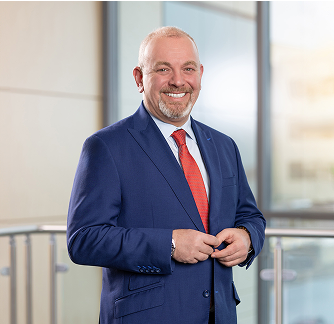
Welcome in to Retire Smart Maryland Radio with Prashant Sabapathi. Welcome in to Retire Smart Maryland Radio, your host, John DeFeo. You can find him at Elite Income Advisors. He’s an independent fiduciary. They have offices located for you in Ellicott City, where they’re headquartered, but also in Annapolis, a satellite office for your convenience, and it’s all about getting you ready for your retirement, and those plans could include so many different things. It depends on the individual or the couple that is retiring, but maybe it’s a state and legacy planning, maybe a safe money strategy. How are you going to handle taxes? What about health care? I mean, think about all the different pieces you need for your retirement puzzle, we talk about them here on the program, but we also give you an opportunity to take action on your own behalf. That means a complimentary appointment that doesn’t cost you a thing, you’re not agreeing to become a client, but you can come in and talk about your retirement scenario, and maybe it’s one of two, right? You haven’t started, but you’ve got a nice portfolio, or you’re halfway down the path in planning, but you’re a little bit frustrated. You would be a candidate for a second opinion. So, stay tuned. We’ll make those appointments available. But I will tell you this: it is a busy office. We carve out a certain number of appointments for our radio listeners, so when they’re available, jump on them. All right, before we dive in on what is going to be our first topic, and that is, what is your number, your retirement number? John, how was your week?
Speaker 1 1:46
It’s been good, definitely busy, as you mentioned, a lot of folks in and out. Prashant actually is at a conference right now in New Orleans, learning a lot more information, bringing back some, you know, some good stuff for our clients, so he’s out there doing that, so I’m here, you know, trying to hold down the fort, and yeah, it’s been great. I mean, I think we, we say this just about every week, it’s it’s busy, people in and out, but we love it. I wouldn’t have it any other way. A good problem to have.
Speaker 3 2:15
Where are you originally from, John?
Speaker 1 2:17
I’m from, from Maryland, actually. I was, you know, brought up in Westminster, it’s in what’s called Carroll County, Maryland, so out in the farmland. Yep.
Speaker 2 2:26
Well, down south, they call New Orleans Nolens. No, and that’s exactly where Prashant is. I love the fact that your firm encourages the advisors to get out there, right? You go to these different events, and it’s almost like continuing education, you’re around other like-minded advisors, very successful advisors, and they’re sharing stories, they’re sharing strategies.
Speaker 1 2:50
It’s great. Yeah, I mean, there’s a lot that you get out of it, you know, a lot of good information, and a lot of positivity. You know, you get to learn new ideas, bounce things off other advisors, see what works, see what other concerns that they’re seeing more frequently from their clients, so it’s a great opportunity to network and learn more, for sure.
Speaker 2 3:08
All right, so Prashant is at a seminar, he’ll be back with us in the coming weeks, and now we have John DeFeo, you know, he is driving the boat today, so we’ll have some fun with this. Now, retirement, we’ll talk about this. No matter how much you save, there are some smart moves to make. And the big question we asked in the teas is, you know, what’s your number? What is your retirement number? And do you even know? And that’s why it depends on the individual or the couple that is retiring. So we wanted to kind of get into this and talk about ways that you can have that secure and comfortable retirement, and it starts with getting to know your real number. What are your expenses? How important is that, John?
Speaker 1 3:49
Yeah, and that’s how we typically look at that question. It’s not about how much money you have, it’s about how much income you need in retirement, and ultimately the income you need is driven by what you’re going to spend. So, I think the old rule of thumb was you’ll need roughly 70 to 80% of your pre retirement income to live a good lifestyle in retirement, and what we’ve found is that it’s actually people are spending more money in retirement than they were when they were working, you know, you’re aggressively trying to do those things that you haven’t been able to do while you were working, whether it’s traveling, projects, things like that, so if you’re not spending more than you were when you were working, it’s probably still comparable. It’s not that significant of a cut, and there are arguments that, oh, well, I’m not commuting as much, I’m going to save money on gas and maintenance on the car, maybe dry cleaning, but we found that the cut of those costs don’t quite keep up with the increase in spending for traveling and those types of things, so nailing down an income target is extremely important, you know, to make sure you can do the things you want to do in retirement, and you know also take into consideration what your healthcare costs would be, you know, as you get older, obviously more health problems arise, and that can eat into the savings that you have. Have, so making sure that you build some sort of component into that is very important. You know, there’s some other aspects that we look at, like getting rid of bad debt, right? There are different types of debt, so we talk to clients about trying to eliminate whatever types of bad debt they have. A big question that comes up is, Should I carry my mortgage into retirement? And that’s typically a one-off question, right? I mean, you know, people were refinancing and buying houses with rates of two to 3% over the past few years, and a lot of people look at that as an asset, they don’t want to give that up, and if you can get four or 5% interest at the bank, there’s an argument to say, why wouldn’t I just let my money gain that interest at the bank, instead of paying it on the loan, so there’s a lot of, you know, a lot of discussions to be had if you’re thinking about doing that, but certainly we want you to reduce your bad debts at any cost.
Speaker 2 5:52
We’re talking about, again, just some real numbers for you, and what is your retirement number overall? And again, it depends on your situation, but you want that secure and comfortable retirement, and these are things that you can be doing. You’re out there, maybe you’re a do-it-yourselfer. These are things that you can kind of mark off your list. One of the things you really should be doing is working with professionals that do this on a daily basis and give you that confidence as you move towards your retirement date. But get real about your expenses, very, very important. And, as John just mentioned, when you get to retirement, it’s like every day is a Saturday, and the last time I checked, man, I spend money on Saturdays, and you’re gonna do that in retirement. So, again, just be ready for it. Get real about your expenses, start writing things down before you get into retirement. All right. The next one, if you are in a company plan, a 401 k, make sure you’re maxing out in the inside those, you know, those beneficial programs, because that’s free money.
Speaker 1 6:52
It absolutely is, right? I mean, if you’re being offered some sort of a match in your 401 k, definitely want to grab every penny you can, right? That’s free money. So, at the very least, contribute enough to the plan to receive that match, and more if you possibly can. Right, a lot of folks aren’t familiar with that. Once you get to the age of 50, the government actually gives you an additional contribution to your retirement plans, what’s called a catch-up, to allow you to really drill down into your retirement savings and ramp that up as you get closer to that date, so taking advantage of those programs, the match you get from your employer, the additional savings, I think, is a great opportunity to max out those benefits.
Speaker 2 7:31
All right, folks, now’s the opportunity to take advantage of a complimentary appointment. Again, this will be with Elite Income Advisors. You’ll meet with the team and see how you’re doing with your retirement process. If you haven’t got a plan, you can get started, or if you’re in the middle of something, need a second opinion, you can certainly get that. And again, there’s no obligation here. John, kind of walk us through how these appointments are going to go.
Speaker 1 7:51
Yeah, so you’re going to come in, we’re going to get to know more about you, we’re going to drill down into your goals, where you’re at currently with your financial situation. We’re going to talk to you about how to generate income that lasts the rest of your life. We’re going to review the risk that you have in your current investment portfolio. We’re going to go through tax implications on your distributions and retirement, along with a lot more. So, you know, it’s it’s a holistic approach. We drill down into pretty much every facet of your financial plan to ensure that there aren’t any weak points in your, your bound for success.
Speaker 2 8:22
Here’s the number to call again: complimentary appointment awaits: 800-653-8404 That’s 800-653-8404 You’ll get that Retire Smart roadmap put together for you. And again, there’s no charge here – it’s complimentary, and you’re not agreeing to become a client. They’re not agreeing to take you as a client, this is an excellent way to test drive elite income advisors. Call the number now, secure an appointment. We have a limited number, so grab 1-800-653-8404: That’s 800-653-8404 So, what is your number? We’re talking about that today, as we open up the program. We’ve got more tips for you to have that secure and comfortable retirement. When we return right here on Retire Smart Maryland Radio. Welcome back into Retire Smart Maryland radio, our host is John DeFeo. You can find him at Elite Income Advisors. Check out the website, it’s a great resource for you, Elite Income advisors.com It’s easy to remember, it rolls right off the tongue, Elite Income advisors.com John is an independent fiduciary, they’ve got offices located in Ellicott City, where they’re headquartered, and also in Annapolis, for your convenience, I’m Morgan Patrick. It’s always about having the plan, being ready for retirement. That’s exactly what Elite Income Advisors does. They’ve helped hundreds of their clients get ready for retirement, and there’s going to be an opportunity for you to get on their calendar at no cost, no obligation, and there is no pressure. We are here. Here to help, so stay tuned. We’ll open up those appointments here shortly. Talking about knowing your number, what is your retirement number? The amount of dollars you’re going to need, so I mean, that’s going to be an independent question, depending upon a lot of things that are going on in your life, or maybe if it’s a couple retiring, you know what’s going on with that couple’s life. We’re talking about today just getting real about your expenses, also maxing out the free money, and any kind of company plan that you’ve got there, and make sure you’re taking advantage of those tax benefits, and we got to the debt part of this, the high interest debt, John, we’ll kind of recap here, but making sure you know the high interest is gone, maybe you’ve got a nice interest rate on your mortgage, and maybe you hang on to that, but the high-interest credit cards that can really derail retirement. It
Speaker 1 10:46
certainly can, especially when you’re paying so much money to the lenders out of the retirement paycheck that you should really be using to do the things you want to do, right? You know, we’ve seen credit card utilization at record highs over and over again. It’s a continuing problem, and you know the federal government doesn’t exactly give the best example by running up the federal deficit the way that they do. So, not to say that that’s the reason everybody is indebted, but we see it quite often, right? Folks will come to us and say, “Look, how do I prioritize what debts to pay down first? You know, I have all of this credit card debt, I’ve got this HELOC. How do I handle this? And one of my favorite methods is what’s called the Avalanche method, and that’s where you, you pay down the highest interest debts first, and once you take care of that, you move down to the next one, and the next one, it’s all of them are taken care of. So, couple different strategies, that’s just personally my favorite,
Speaker 2 11:38
tell you, just making sure the high interest stuff is not there by the time you get to retirement, because once those paychecks stop, it can really eat into what you’re trying to do in your golden years. Again, going over what’s your number, you get rid of the nine to five grind, you go into retirement, you got to have a strategy on how you’re going to handle it. So, get a, you know, get really dialed in on what your expenses are going to be. If you are in a company program before retirement, make sure you’re maxing out, you know, the opportunities there. If there’s a match, take full advantage, and of course, take advantage of the tax benefits, and then the high-interest stuff, the debt. It’s got to go, so you know we are kind of like a little bit nervous with everything that’s going on, but we can’t be too nervous, right, John? We need to at least have some skin in the game when it comes to the market as we move to and through retirement.
Speaker 1 12:26
You’re exactly right. So, in addition to having assets that are safe and you know provide your income, you need to have assets that are in the market that have risk to do things like pace inflation and provide growth over time. So, you know, we never want to look at a portfolio and put everything into these safe, passive type of assets, you know, like, as you mentioned, you need to have skin in the game, but to ensure a successful retirement, especially if it’s 3040 years down the road, right, you know, we’re seeing people living longer, which means longer retirements, and ultimately you have to be able to grow your assets to account for something like that. Good example of that would be, we’ve got a client, actually one of my favorite clients. He was an Anne Arundel County firefighter. He had, you know, started with the department at 18, and we retired him at 49 put his 30 years in. You know, he was able to hang the hat up prior to 50, but what that means is, if he lives until he’s 90, which there’s a good chance he will, he’s in great health, he would have spent more time in retirement than he did working. So, for someone like that, you know, he’s got a pension, it’s a rock solid pension, he did a good job saving his own money, but at some point in time, over, you know, 40 years in retirement, he could certainly see the expenses in the economy outpace the increases to his cost of living adjustments on the pension and social security and those things, so we have the money that he saved personally in risk assets, you know, he has his pension secure, he has his income secure, everything else we’re taking risk with to provide an inflation hedge and offer a nice chunk of change for his beneficiaries down the
Speaker 2 14:00
road, I was just going to say, I mean, having that plan and just being aware that, you know, the part that he’s going to need just to live, thrive, and survive is secure, and then he can still keep some money in the market to kind of maintain, you know, pace with what’s going on in our world today, and we don’t know what’s going to happen down the road, it is going to be a little bit more expensive to live, thrive, and survive. So, make sure you can pay for it. So, again, just going over things that you can be doing, these strategies, so you can have that secure and comfortable retirement. You know, talking about your expenses, make sure you know what they are. If you are in an employment plan at work, make sure you’re taking care, you know, taking full advantage if there is a match there, because that is free money. High interest debts got to go, and we just talked about again keeping some in the market to kind of keep pace with everything that’s going on here today in our society and our economy. So we’re talking about strategies, how you can kind of keep pace with everything, the opportunity to talk about. Your own individual situation, it’s ongoing during the course of this show. You can grab a complimentary appointment at any time with Elite Income Advisors, simply by calling 800-653-8404 That will secure one of the appointments. Again, it’s a very busy office. Grab one now, 800-653-8404 Ideal candidates would be, you know, sitting on a portfolio, haven’t started planning, you’re a procrastinator, but it’s okay, we get it, it’s personal, but you can have these conversations in confidence. 800-653-8404 or you’re halfway down the path, you’re frustrated, your calls aren’t being returned, your appointments are getting moved around, you are an ideal candidate for a second opinion. Call the number 800-653-8404 So, back to it. Strategies to help you keep that money secure. You want to have that confident retirement. What about withdrawal strategies? How important is it to have one?
Speaker 1 15:55
Very, very important. And it’s something that we build for every single client that walks through our door, so what we’re seeing more and more often with the, you know, the advent of the 401 k back in the, you know, the to be the late 1970s it caused the transition from your traditional pension to people saving their own money, right? So there’s not as many folks that are offered a guaranteed pension over their lifetime, you’re forced to save your money, and what were you told all those years while you were saving and working? You were probably told to save it into a pre-tax 401 k plan, with the thought that your tax implications in retirement would be much less than they are while you’re working. Well, we talk with clients about this quite often, and you know, again, with the level of the national debt, where it is, and the trajectory of it, our thought is that taxes will have to at some point be higher to correct that problem. So, if now we’re facing an issue where all of these people have saved this money into a tax-deferred plan, they didn’t have to take it out in a higher income tax environment. How do we actually plan for that? You know, and how do we also protect those assets against a risk in the market and inflation? There’s a lot of things that can derail the plan. So, what we typically do is we break your money down into buckets. You’ll come in, you’ll say, “Hey, look, I have this portfolio, and we look at it and say, “How much money do we need to allocate to each of these buckets to accomplish each goal? And those buckets are broken down into short-term cash, medium-term investments, and long-term growth, and we assign a color to each of these buckets to break it down further. So, your short-term bucket, we call that kind of your operational cash, that’s a blue bucket, and that’s going to be what you’re living out of, right? It doesn’t need to have a substantial amount of growth, it’s being spent on a regular basis, it’s there for emergencies, right. Your middle-term bucket is going to be what drives your income, that’s where you’re going to secure your paycheck, essentially, and that’s going to have more intermediate growth, but we don’t want to have any downside potential there. And then your red bucket, which would be the long-term growth, that’s where we’re taking all the risks, that’s where investing in stocks, ETFs, the more equity-aligned investments, and the goal of that money is obviously to provide an inflation hedge and leave a legacy to your family, your beneficiaries, or a charity, so we break the money down into different buckets. We want to take as much money into the red bucket and grow it as much as possible, but we also want to ensure that your paycheck is secured. So we do all of that while also being mindful of the tax implications. I just talked about a very large taxable portfolio going into retirement. You have to be careful about how it’s distributed, you know, ensuring that you’re watching the tax implications, as well as the effects on your, your government benefits, such as Medicare premiums that are income driven. So, all these things you have to take into consideration when actually distributing your money.
Speaker 2 18:35
So, when you’re thinking about retirement, you want that security, you want comfort. I mean, you’ve worked your entire life, you want those golden years to be very golden, right? You want to be able to enjoy them. So, things you need to be doing, we’ve talked about already today, get a real handle on your expenses. If you are at work with a company retirement plan, make sure you’re taking advantage of if there is a match in there, make sure you’re hitting that number. The high interest debts got to go, keep some money in the market to kind of keep pace with inflation. Everything is going to be more in the future. And then we just discussed having that withdrawal strategy, and I know everybody’s like, ‘Wow, man, we’re really kind of grinding on this. This is, this is pretty intense. Well, this next one I think you’re really going to like. Make sure you have this in your plan, that is fun. You want to have it, you don’t just want to survive, you want to have a little extra, so you can go do things.
Speaker 1 19:31
Certainly, and I think that’s our ultimate goal. Clients will come in and say, “Look, this is the bare minimum that I need to survive in retirement, and we don’t want that answer. We want to know what the number is for you to enjoy retirement, for you to have fun, you know. Not many people work their entire life to just simply exist and stop working. There are some people that are completely content with that, and there’s nothing against it, but most people who walk in our door have some sort of an agenda in retirement, whether it be traveling, you know, different pro. Projects, maybe it’s volunteering, whatever the case might be, you know. You don’t want to just plan to exist, right? So, building in, you know, additional expense for things that you like to do is important, right? So, including travel, hobbies, you know, dining out, different experiences that make you happy. I think those are all important to plan for to make sure that retirement is enjoyable, and it’s not just another daily grind like you had when you were working.
Speaker 2 20:26
So, important just to be ready for retirement, having a plan, working with professionals, and you map this out well before you get to your retirement date. And again, it relieves a lot of stress. We can’t take it all away, but having a plan, being flexible, being able to adjust that plan as you move to and through retirement. Man, that’s the confidence we talk about. The opportunity to get on the calendar with elite income advisors is right now. John, walk us through how these appointments are going to go.
Speaker 1 20:54
Right, so you’re going to come in, we’re going to, we’re going to sit down again, we’re going to identify where you currently are with any plan, if you have one. We’re going to go through the investment risk in your current portfolio, based on what you’re comfortable with and what’s necessary to be successful in the plan. We’ll make sure it’s properly diversified to protect you against large equity losses, and we’ll go through strategies to reduce the retirement income tax bill. So, pick up the phone, dial that number: 800-653-8404 Come in, meet with myself, one of our licensed fiduciaries. We’ll make sure that your lifetime income plan is set up for success.
Speaker 2 21:33
All right, it’s about confidence, folks, and you can gain some right now if you haven’t started planning, or you need that second opinion. That’s what these appointments are for, and again, they’re complimentary. You’re leaving the checkbook at home. 800-653-8404 Call now and get an appointment with Elite Income Advisors. That’s 800-653-8404 800-653-8404 When we return on the program, retirement today looks nothing like it did just 20 years ago. Now that landscape has shifted, and for many, the retirement dream of the past doesn’t quite match up with reality today. We’re going to break it down for you when we return here on the program, Retire Smart Maryland Radio, you We are back on Retire Smart Maryland Radio. Your host is John DeFeo, independent fiduciary with Elite Income Advisors. They’re headquartered in Ellicott City. They have a satellite office in Annapolis. It’s all about getting you ready for your retirement. Make sure you have a plan. Again, Elite Income Advisors helping hundreds of their clients get ready for retirement. That’s what they do. I’m Morgan Patrick. We hit the different topics, but we also give you the opportunity to take action on your own behalf. And what do I mean by that? There are complimentary appointments during the course of this radio show, and when I say complimentary, that means you’re leaving the checkbook at home. This is about you. This is about if you have a plan, or maybe you need a second opinion, or if you have not started planning, and it can be intimidating. There are a lot of things that go into retirement. Work with professionals, and you can get started simply by calling 800-653-8404 and you’re leaving the checkbook at home. It’s a great way to test drive elite income advisors. 800-653-8404 So, retirement right now looks a whole lot different than it did 20 years ago, and we’re kind of stuck in a rut when you think about it. We’re thinking about how things were done with our parents, maybe our grandparents, and we’re like, you know, what I’m going to stick on that path, man. You’ve got to have an open mind, you’ve got to be flexible, you have to work with professionals, and you have to map this out. So, let’s break it down, and we’ve got some major ways that retirement has completely, I mean, totally changed, just going back to 1999 All right, quarter century here. here we go. People are living longer, John. I mean, it is.. it’s ridiculous. I mean, we are taking better care of ourselves, we’re eating better, our medical advances, we’re living longer, and you know what that means. We got to pay for
Speaker 1 24:17
it. You’re not wrong, right? I mean, you know, in the late 90s, retirement planning was really based on the idea that you’d enjoy a couple of decades of relaxation once you retired, and today you know, again, people are living 3040, 50 years longer than they used to, which means that retirement windows are a lot longer, and you know, although longevity is a blessing, it can definitely bring financial challenges, you know, if you’re living longer, you’re going to have more health care costs. You have a longer period of time that your portfolio is being dragged down by inflation, and then you have a long period of time for unexpected expenses to come up. Right? I mean, if you’re in retirement for 30 years, you might need a roof, probably need a car or two, right? You’ve got things that come up, you know that you have to account. For so you know, having a plan in place to ensure that you are set up for those, those effects are very important, and even to make sure you know, in the loss of a spouse, right? You know, if there’s a statistic that says if you’re married and you’re over the age of 65 there’s a 50% chance one of you lives until you’re age 90, so making sure you have a plan in place for, you know, loss of income when someone passes away, all that’s extremely important when you’re looking at that plan.
Speaker 2 25:24
I’ll tell you, there’s a movie out there, Airplane, and it’s an old classic. It might be a little too old for you, John, but there’s a line, there’s a line in there where, like, all right, catch me up today, get me up to date. First, the earth cooled, then the dinosaurs came. That’s how that scene starts in the movie, but when you think about it, the pension 20 years ago is the dinosaur, right? There are very few left. So, if you are looking at your parents or your grandparents and thinking, okay, this is how it’s going to be, you may not have that pension to fall back on,
Speaker 1 26:01
I mean, you remember when companies used to take care of their retirees when you work for a company for a couple decades, and in return they pay it through, they paid you a guaranteed income for the rest of your life, and we really don’t see that that often anymore. You know, there was a lot of risk to managing those pensions and paying them out over a lifetime that’s become a lot longer. So today those pensions are nearly extinct, and most retirees are responsible for funding their own golden years through personal savings, through their 401k IRAs, and other personal investments. So, it’s a pretty dramatic shift, and it means that you have to be savvy about saving and investing. You have to have a good plan. You have to look at the tax implications on distributions, I mean, again, when you’re handed a two $3 million portfolio at retirement, and you’re said you’re told, “Good luck, you know you’ve worked hard, you’ve saved this, but you’re responsible for ultimately distributing this and managing it efficiently. That’s a big responsibility, especially if you don’t have a lot of experience in that area. So, this is why it’s so important to work with a financial professional that does this every single day and make sure that you are aligned for success in your plan,
Speaker 2 27:08
so very important. Again, just going over some major ways that retirement has changed in the last 20 years, we’re living longer, got to be able to pay for it. Again, you look at life expectancy, just 20 years ago we have jumped way up, and it’s going to be, you know, it’s going to be costly. You need to have that money as you live a little bit longer. And then the pension has gone away, but you know, there are strategies out there where you can kind of create your own pension, but make sure you have a plan for it. This next one, again, we’re in the time machine, we’re going back 20 years, social security, what it was then, John, and what it is now. It is a different animal,
Speaker 1 27:47
that’s right. As they’ve said, it ain’t what it used to be, right. Once upon a time, social security, it was enough to keep retirees afloat, it was enough to live on, but now it’s really just a small piece of the puzzle, you know. It honestly doesn’t even keep pace with inflation. You do get cost of living adjustments every year for Social Security, but it’s based on the CPI numbers from the previous year. And what they don’t tell you is that the CPI numbers, that’s the Consumer Price Index, what inflation’s based on, they strip out two key metrics, and that’s going to be energy and food. And I mentioned this before, I don’t know about the audience, but I spent a heck of a lot of money on energy and food, right? Yeah, it’s almost like you get to a point where can I put eggs on layaway? I mean, it is crazy, really. I mean, it’s absolutely nuts, and that’s why it’s important to have your own inflation hedge in some sort of an equity holding, because again, if they’re not incorporating the increased those expenses, and the cost of living adjustments with Social Security. You have to be able to fund the increase in those expenses on your own, so you know if you’re planning to rely solely on Social Security and retirement, you really got to think again. I mean, it’s not the income producer that it used to be, it’s not going to pace inflation toe to toe, so you have to, you have to have that, that backup plan in line.
Speaker 2 29:05
Taylor, we’re just talking about again, how retirement has changed just in the last 20 years, and you mentioned this in our first point, which was people are living longer, so you got to be able to pay for it. You brought up health care, that’s the next one, just the rising costs, what it is today, what it’s going to be in 1520 years, you got to be able to pay for
Speaker 1 29:24
it. Yeah, I mean, going back to 1999 Medicare covered most of what retirees needed for their health care costs, but as we’ve seen the advancements in medicine and people living longer, not as much as covered. So medical costs are one of the biggest financial burdens that we see retirees face between the prescription drug prices, your long-term care expenses, even the out of pocket expenses, have really surged, and this leaves a lot of people scrambling to figure out how to actually cover those, those costs when they retire. You can look at things like Medigap policies to supplement. Your Medicare, you can look at things like prescription drug coverage with part D, so there’s a lot of things that you can do, but, but ultimately having these these expenses built into your income plan is the most important thing that you can do. Again, Medicare is not going to cover it all. Long-term care, I mean, that’s probably one of the number one concerns that we get from clients coming in, especially if they’ve seen a family member go through that on their own. They say the typical long-term care cost for an individual is somewhere between eight and $10,000 a month, but I would argue it’s a lot higher if you want good care. I mean, we’ve seen that number run 15 to $20,000 a month, and the average stay in a long-term care facility is two to three years, so you know you’re looking at sometimes 500,000 to a million dollars all in on long-term care expenses. So, if you don’t have a policy to help supplement that, or you don’t have that built into your financial plan, I mean, that could, that could seriously derail your success and cause you to go back to, you know, we joke about eating cat food, I mean, it’s, it’s a, it’s a joke, but it’s a reality that we’ve seen, you know, in people’s lives.
Speaker 2 31:05
Folks having a plan, being ready for it, but also understanding that times have changed. 20 years ago, 25 years ago, you know, retirement numbers vastly different from what we have today, just being aware of it. And also, you know, 25 years ago, John, this will be the last point we have. People stopped working, like you know, they were thinking beach, my ties, or just sit on the porch, or however they want to do their retirement, but that doesn’t now, that doesn’t, I mean, that doesn’t always compute. Sometimes people want to work or need to work. Yeah,
Speaker 1 31:35
and we actually see this more often than not. So, there are some people that are required to continue working because they’re saving social security aren’t enough to cover their expenses, so there’s a requirement to supplement income that way, but there are other people that just enjoy working, they want to stay mentally fit, they want to stay social, they want to have a circle of people to be around, so we see both of those sides of the coin, so you know, again, retirement means something different to everybody, some people it means continuing to work, some people it doesn’t. But ultimately, you have to know where you fit in that plan, and if you don’t have a plan put together, you aren’t sure where you fit in that, give us a call, 800-653-8404 You can come in for a completely free consultation. We’ll walk you through how to actually line that plan up, how to construct your portfolio to produce lifetime income in retirement, while also mitigating the risk. We’ll walk through the optimal point to take Social Security. We’ll go through the risk, all of that, that will be covered in that appointment with myself or one of our licensed fiduciaries. So great opportunity to give us a call again, that’s 800-653-8504
Speaker 2 32:43
All right, that number again is 800-653-8404 That’s 800-653-8404 Dial now, grab one of the complimentary appointments. That’s 800-653-8404 We’re back on the other side with scenarios. Welcome back into Retire Smart Maryland Radio. Your host this week is John DeFeo. You can find him at Elite Income Advisors, the power behind this program. Check out the website, it’s a great resource, Elite Income advisors.com that’s Elite Income advisors.com There are links to our radio show there, there are links to the TV show. Again, you can see it all, you can hear it all, and there’s great information there about retirement planning. They’re headquartered in Ellicott City, they’ve got a satellite office in Annapolis. Again, John is an independent fiduciary. I’m Morgan Patrick. My privilege each and every week to go back and forth, and it’s always retirement. The importance of having a plan, and we generally get to scenarios, and that’s things that are happening all over the country when it comes to retirement. So listen to these scenarios. Also, listen to how John and elite income advisors would handle these scenarios, but always take them with a grain of salt, because you might hear a scenario that’s similar to what you’re going through, but it’s not exactly what you’re going through. There’s so many things are going to impact you on your way to retirement and through retirement based on your individual situation, so why would you not want a customized plan? But this is a great way to kind of get in the flow of things when it comes to planning. So, here’s your first scenario, John. What would you do? Here, a retiree, 800,000 in their 401k wants to create a steady income stream, but isn’t sure if they should use an annuity, a bond ladder, a systematic withdrawal system, those are the three choices. How should they evaluate each income option for stability, but also longevity?
Speaker 1 34:48
You had to look at a couple of things here. I think one of them is liquidity needs. I mean, if you’re looking for a systematic withdrawal of some capacity, I mean, you can accomplish that with any of those options. Now, the annuity, you know, typically these are longer-term contracts, meaning that if you needed to get a lump sum out of that within a period of time, usually it’s about 10 years, there could be penalties that are involved with that. So, understanding your timeframe on when you need to take money out, if you need to take out more than what you initially set it up for, is something to consider. There also, looking at tax implications. Right, there are certain types of bonds, whether they are treasury bonds or municipal bonds, that have tax advantages. So, you know, the same thing with annuities. Annuities have tax advantages as well. So, we want to look at what your current income looks like, what your projected income looks like to make that decision. And then the systematic withdrawals can also generate capital gains, so the 401 k obviously is a pretax vehicle, so there is no capital gain implications, but if you were looking to set up a systematic withdrawal from a non-qualified, non-retirement plan, that would be something that you’d have to consider, but I definitely think that liquidity needs in the short term are things you’d want to address, your tax situation is another one, and ultimately your comfort level in risk. There are some bonds that will fluctuate if you hold them to maturity. Typically, you’ll receive back 100% of your investment, but bonds aren’t 100% guaranteed. They can go up and down based on the interest rates in the market. So, again, you could be in a position where, if you needed to liquidate prior to maturity, you could be facing a penalty with that as well, so a lot of moving parts there. I think it’s best to just look at their overall situation and see what the need is to direct their
Speaker 2 36:30
retirement scenarios here on Retire Smart Maryland Radio. Give you an idea of what people are going through across the country. Again, remember there might be a scenario that’s close to what you’re going through, but it needs to be exactly. That’s why you need a retirement plan that is customized to you. So, here’s the next scenario: someone nearing retirement, comparing fixed and variable annuities, but is confused about the differences in potential returns and also the risk. They’re wondering which type better aligns with a conservative retirement income strategy.
Speaker 1 37:04
You got to understand the differences between the both of them. So, I’ll go go through that at a high level. A fixed annuity is a guaranteed contract that there is no downside potential. It gives you a fixed interest rate, a lot like a CD does. So, you’ll, you’ll buy into it, say you put $100,000 in, it might have a three year contract. You receive a specified rate of interest over that period of time, and the interest typically is deferred until you take the money out. The variable annuity is not guaranteed, so that’s going to be tied to the market. It can go up and down, so if you are a more conservative investor, you’re looking for something that’s guaranteed, you would probably want to look at the fixed, the fixed annuity rather than the variable annuity, but there’s another type of annuity that we actually talk with clients about a lot, and that’s the fixed index annuity, and that gives you a combination of these two accounts in subcapacity, where you have participation in the market, but you also have no downside potential, so the way a fixed annuity works, a fixed income annuity works, is you put the money in, you participate in the market when it goes up, you might not capture 100% of the upside, there’s typically caps or performance metrics, but if the market goes down, you cannot lose money, so it allows you to participate in the market, protect your downside, and a lot of times there are little to no fee involved, so that’s been more attractive these days from what we’ve seen, but certainly, if you’re a conservative investor, a fixed annuity or a fixed income annuity would be much more suitable than a variable annuity. Tell
Speaker 2 38:35
you, just having an open mind and talking about your overall retirement picture and what you want to achieve out of retirement and creating that plan. Tell you, there are a lot of people out there that are sitting on portfolios, and you might be one of them, and you’re, you’re getting very close to your retirement date, and you haven’t thought about how you’re going to do this, how you are going to withdraw from your accounts, how are you going to handle taxes, what are you going to do about health care? What about social security? When is the best time for you as an individual to take your social security, and how does that all work into your overall plan? I mean, there are so many I’s to be dotted and t’s to be crossed. Why not work with pros? Why not have somebody walking with you towards retirement and through retirement? It gives you that peace of mind. Now, the opportunity to get this kind of guidance, it’s complimentary. We start you off with, again, no obligation appointment with Elite Income Advisors, and talking about your individual scenario. Call this number: 800-653-8404 That’s 800-653-8404 That’ll get you to the front of the queue. Grab one of the appointments, and again come in and meet with elite income advisors, and talk about your retirement scenario, and you’re leaving the checkbook at home. 800-653-8404 All right, next scenario: 60 years old stock heavy portfolio, considering a balance. Balanced fund with a 6040 stock bond allocation to simplify rebalancing, they’re worried about bond fund fees and how a balanced funds bond portion would perform if rates do rise. What should they know about balanced funds? John,
Speaker 1 40:17
well, a balanced fund, I mean, the objective is to try and diversify, and you know, reduce the level of volatility in the fund, and a lot of times this is what was recommended to folks that were heading into retirement, right, a 6040 portfolio, I’m sure most folks have heard of in their lifetime, and you know, it historically it had worked great, you know, bonds and stocks have an inverse relationship, where if the stock market’s going up, typically the bond markets staying relatively stable, or maybe even down a little bit, and vice versa. When the stock market’s down, the bond section is supposed to provide a bit of a safety or a hedge against the losses we saw in 2022 The opposite effect, though, we saw both bonds and stocks down across all asset classes, so you know the objective of that fund has kind of changed in the current market trends, but with that being said, I mean the fees that could be involved are dependent upon the balance fund that you choose, so typically a balanced fund is a mutual fund, which is a pool of investments that’s managed by a fund manager, and they assess a fee to manage the fund, select the stocks and bonds within it, so depending on who you work with, you’re going to have to pay attention to that fee. Now, if you’re working with a financial advisor and they are putting together a portfolio for you, typically it would be a little bit more in depth than just a generic 6040 balanced fund. There’s more that goes into that, so it’s something that I would definitely encourage you to talk to your financial advisor about in relation to what happens to the bond portion when rates rise. They have a great, great concern there, as I mentioned on the previous scenario, bond prices can actually go down when rates go up, so you have to be careful, and that’s, you know what happened in 2022 The rates were so high, so you know you have to be careful and pay attention to what’s happening there. And I think that that’s why having diversification and working with a planner that understands how the assets react to economic trends is extremely important.
Speaker 2 42:17
So important again, just to have almost like that retirement coach, along with you, that’s been down this path many, many times before, and can advise you in such a way. All right, so final scenario, we’ll hit it really quickly. Someone is worried about the impact of estate taxes on their wealth transfer and is considering setting up an irrevocable life insurance trust, an IL-IT, to fund estate taxes. How does the I L I T work, and would it reduce their estate tax liability?
Speaker 1 42:47
Yeah, this is a strategy that we’ve, we’ve worked with a couple of clients on, and the intention is to reduce the assets that are subject to the estate tax. So, the estate tax, currently you have an exemption, the federal exemption is $14 million a person for 2025 so if you’re married, that’s $28 million If you’re your overall assets are not quite near that, or even close to it, then I let might not make a lot of sense, but if you are a person that’s that’s in that range and your your net worth is creeping up on that amount, then it might make sense. The ILET allows you to open an irrevocable trust, place a life insurance policy into it, and when it’s paid out, it is not – it’s not subject to estate taxes. So, the one downside of that is you’re removing the life insurance from control of yourself, so it’s going into a trust where there is an executor that actually controls the beneficiaries and all of that, and it has to have been in there for three years. So, if you’re in poor health and you want to remove assets from your estate, you’re not able to open one of these islets unless you survive for another three years. So, the three year look back, but ultimately, again, it is – it’s intended to reduce the amount of state tax, estate tax that is paid when you pass away in the state of Maryland. The exemption is $5 million a person, so married couple, it’s $10 million So, if your net worth is somewhere in that range, it could be something to look at to reduce the amount of taxes that your beneficiaries pay at that point in time.
Speaker 2 44:17
All right. Well, let’s help some people out. We just finished up our scenarios. What’s your scenario? Well, why don’t you come in to Elite Income Advisors and tell them about it. John, walk us through how these appointments are going to go.
Speaker 1 44:29
Yeah, you’re going to come in. We’re going to essentially diagnose the concerns. We’re going to figure out what’s important to you, what’s been on your mind. We’re going to go through where you currently stand with your financial planning, and then we’re going to talk to you about what type of risk you’re taking in your portfolio, what type of risk we would suggest taking to accomplish your goals. We’re going to map out your lifetime income roadmap. We’re going to ensure we account for taxes, inflation. We’re going to look at the optimal point to take social security and make sure that you’re taking into consideration things like. Long-term care and medical expenses, so all of that will be covered in that initial appointment. All
Speaker 2 45:04
right, it’s complimentary. Here’s the phone number: 800-653-8404 That’s 800-653-8404 Call now: 800-653-8404 Another edition of Retire Smart Maryland Radio and the Books for John DeFeo. I’m Morgan Patrick. We’ll see on the radio next week,
Announcer 45:30
annuity guarantees are subject to the claims paying ability of the issuing insurance company. If you withdraw money from or surrender your contract within a certain period of time after investing, the insurance company may assess the surrender charge. Withdrawals may be subject to tax penalties and income taxes. Persons selling annuities and other insurance products receive compensation for these transactions. Products are subject to fees and additional expenses. Any comments regarding safe and secure investments and guaranteed income streams for parole into fixed insurance products, they do not refer in any way to securities and investment advisory products. Information presented on this program is believed to be factual and up to date, but we do not guarantee its accuracy, and it should not be regarded as complete analysis of the subjects discussed. Discussion should not be construed as an offer to buy or sell, or a solicitation of an offer to buy or sell the investments mentioned. A professional advisor should be consulted before implementing any of the strategies discussed. Investments involve varying degrees of risk, and there can be no assurance that any specific investment or strategy will be suitable or profitable for a client’s portfolio. Elite Income Advisors Incorporated is registered as an investment advisor with the State of Maryland, and only transacts business in states where the firm is properly registered, or is excluded, or exempted from registration requirements. Registration as an investment advisor is not an endorsement of the firm by security regulators, and does not mean that the advisor has attained a particular level of skill or ability. You should always consult an attorney or tax professional regarding your specific legal or tax situation,