Speaker 1 0:00
Anna, today on Retire Smart Maryland Radio, let’s explore behavioral finance. What is it, and how understanding it can help you as you approach your retirement in an easy to follow way. That and more today on Retire Smart Maryland Radio.
Announcer 0:19
Welcome in to Retire Smart Maryland Radio with Prashant Sabapathi.
Speaker 2 0:25
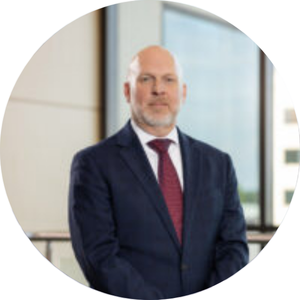
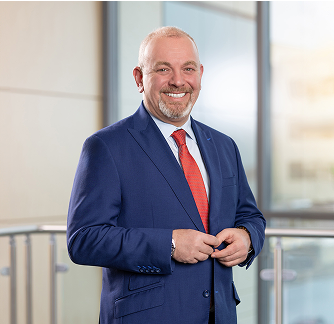
Welcome in to Retire Smart Maryland Radio. Your hosts are Prashant Sabapathi and John DeFeo. You can find them at Elite Income Advisors. They’re headquartered in Ellicott City. They have a satellite office in Annapolis for your convenience. Prashant is an independent fiduciary. He’s also a published author of Fiscal Health, Retirement Wealth, and a second book, Retire Abundantly. I’m Morgan Patrick. And each and every week, it’s always about the importance of being ready for retirement, the importance of having a plan. And there’s so many of you out there that have saved really, really well, and you’re sitting on a portfolio that is not a retirement plan, and there are just as many of you that are halfway down the path, but you’re frustrated. Might be time for that second opinion. We’ll give you an opportunity for a complimentary appointment with Elite Income Advisors, so stay tuned for that. And, gentlemen, before we get into behavioral finance, which I’m excited to talk about today, How was your week, Prashant? We’ll start with you.
Speaker 1 1:20
Oh, you know, man, week’s been good, busy as always. I feel like I give the same answer every single week, but I’ll tell you what it’s.. it’s really been picking up around here. I feel like I’m in eight or nine client visits a day. John, I know you’re busy too, doing some of the planning side on the back end, and then our team is just relentless, they’re super hard workers, love that, and everyone’s busy around here, but that’s good. Busy is good, John.
Speaker 2 1:48
Yeah, man, I think he nailed it. You know, we’ve had a pretty intense volume of clients coming in. It’s been been great. I’ve been doing a lot of seminars as well, you know, providing as much education as we can to the public, so it’s been, it’s been a busy week, but a good week. I mean, everybody’s different, but is there an overall theme to these visits, guys? I mean, when people are coming in at this kind of number, this kind of rate, what’s the big concern?
Speaker 1 2:12
I think it has to do with this overwhelming sense of lack of security. If I could boil it down to one thing, it’s I think people feel really uncertain. They feel uncertain about the stock market, they feel uncertain about the state of the Federal Reserve and inflation. And I think what it all comes back to is people are starting to realize more and more that when they get to retirement, you lose the security of the paycheck, and I don’t know that people think about it in that term, but by the time they come in and have conversations with us about it, I think what it comes back to is we lose a paycheck that we’ve been used to for 30 or 40 years when we retire, and now the panic sets in of where is my retirement paycheck going to come from, is social security going to be enough to cover it, I think. Overwhelmingly, that answer is most likely going to be no. If we’re fortunate enough to have a pension to supplement the social security, great, but I think a lot of people are really uncertain about where the security of their retirement paycheck is going to come from.
Speaker 2 3:15
Retire Smart Maryland Radio, Prashant Sabapathi, and John DeFeo with Elite Income advisors, your hosts. Again, I’m Morgan Patrick. And this topic, you guys brought this up. I really like this one. We’re going to talk about it today, spend some time on it. But behavioral finance, it’s trending. It’s fascinating when you look at the field that combines psychology and economics, just to understand how people make financial decisions. It challenges the traditional view that investors always act rationally instead of recognizing, you know, the emotions, the biases that are out there, cognitive limitations, and I mean, it can all significantly influence what our choices are going to be. So, Prashant, we’ll just, we’ll start with, let’s get the basics out there. What is behavioral finance,
Speaker 1 4:01
so behavioral finance is that idea that you look at how emotions, biases, psychological factors influence decision making, and what we’re talking about today is specifically financial decision making, and it’s really also about understanding why we don’t act rationally when it comes to money, I think one of the things that we have to remember here is that human emotions drive decisions, right? Just look at the stock market, for example. Fear, greed, overconfidence drives the stock market. When people get scared, they sell, and when they sell, the market goes down, and when people get greedy, they buy, and when they buy, the market goes up, and so human emotions are driving decisions. Cognitive biases are there, things like loss aversion. Loss aversion is something that we talk about in the office every single day. I feel like, and it’s that idea that losses hurt you more than gains help you. And then we see it. Things like confirmation bias, which is seeking information that supports our belief, right? And I think we see this in politics more than anything else. Is, of course, you’re going to go watch the news station that is a confirmation of your political beliefs, and I think to some degree that bleeds into how we think about money. There’s a book out there, it’s by Daniel Kahneman. It’s called Thinking Fast and Slow, and it’s a, it’s a book that talks about cognitive biases and decision making. And by the way, he’s a Nobel Prize-winning psychologist, and so it’s a great book. If anyone wants to check it out to dive into behavioral finances, that being said, that’s what behavioral finance is, John? Maybe you can talk a little bit about specifically how that aspect of behavioral finance affects retirement planning in particular.
Speaker 2 5:50
Certainly, I mean, I think that not only think I know that when clients get closer to retirement, their emotions are heightened, right? There’s a lot of excitement, there’s a lot of anxiety, maybe even frustration, that you haven’t put a plan together in time, so you know these are all things that we’re very aware of coming into that conversation with clients, you know, and we, we, you know, I guess challenge them to do a couple of things, one of them is to try and set, you know, those concerns aside for the immediate, you know, the immediate meeting, the immediate conversation, you know, and effectively look at what we can do to potentially help them, so you know, trying to look past those biases, trying to, you know, avoid things that you know, like herd behavior, for example, trying to do that, the same things that some of your colleagues are doing, because you think that might be the right opportunity to do it, you know, trying to remove yourself from those emotions to make a more rational decision when it comes to retirement is something that we certainly encourage clients to do.
Speaker 2 6:50
I mean, think about it, guys, I mean, with everything that’s going on, and you’re out there by yourself, and there’s your money, and it’s sitting over there, and something happens, I mean, we’re gonna be like the herd, we’re gonna, we’re gonna kind of check out what’s going on, and a perfect example recently was in the AI field, something happened, and in literally, in about the span of three hours, the market took a huge dip, because there was a foreign player that’s in the AI, and it really kind of shook the foundation of AI in the United States, and boy, I tell you, the stock market took notice.
Speaker 1 7:25
Yeah, I remember waking up that morning, and I, the first thing I do when I wake up is, I look at stock futures, I look at overnight stock prices, especially what’s going on in Asia and China, and everything else, and I looked at my phone, I looked at my finance app, and I see that the Nasdaq was pre-market down 5% and I was like, there must be something wrong with this app right now telling me this information. And then I read into it, and you’re exactly right, the AI spook caused over a trillion dollar sell off in the stock market, and markets are volatile, and I think that is something to be aware of, and so folks, I think it’s natural to go with the herd. It’s natural to take advice from the people that you trust in other aspects of your life, but I think one thing that we forget is how important it is to create a plan that is customized for you. This is something that we share the opportunity with our audience to do every single week. Let’s open up our phone lines. Here’s how you can get your own customizable plan to take a look at. It’s 800-653-8404 800-653-8404 Just as you wouldn’t follow medical advice that is based on your coworker’s situation, you shouldn’t follow financial advice that is based on your coworker’s situation or your best friend’s situation. You should get it custom tailored for you. You dial that phone number, you’ll be able to schedule an appointment with our team. Come on in, complimentary appointment to review your financial situation today.
Speaker 2 8:57
All right, that phone number again: 800-653-8404 800-653-8404 106 538404 When we return on Retire Smart Maryland Radio, we’ll continue with behavioral finance, and we’ve got some strategies to keep you on track. Welcome back into Retire Smart Maryland Radio, hosted by Prashant Sabapathi and John DeFeo, Elite Income Advisors. Where you can find them, they’re headquartered in Ellicott City, and they have a satellite office in Annapolis for your convenience. Again, independent fiduciary, that is Prashant. He’s a published author, Fiscal Health, Retirement, Wealth, and retire abundantly. It’s all about getting ready for your retirement, the planning aspect of this, and again, you want to be proactive as opposed to reactive. I’m Morgan Patrick. It’s my pleasure each and every week to go back and forth with the fellows, and it’s always again those retirement topics. And today we’ve kind of gotten into behavioral finance and. How that can impact your retirement planning, it’s fascinating. So, we’ve got some strategies we’re going to go over, guys, that can help you stay on track. John, we’re going to start with you, and that is just the first and foremost, understand what your individual emotional triggers are, because guess what, everybody’s different.
Speaker 2 10:19
Yeah, and I think that you know that that is the number one thing that you have to do, right, identify what things make you anxious, what things get you excited, and try to separate yourself from that emotion prior to making any big financial move. So, what we encourage a lot of clients to do is effectively, you know, implement a cool down period prior to making a pretty substantial financial decision, especially if there’s a lot of emotion involved, so that’s one of the things that we focus on, you know. Another piece of advice is to focus on the plan and try and tune out the noise that you have going on around you, so you know, the news, the media is out there to try and fear monger, to try and instill that type of fear in you, make you panic, make you think differently. So, try and avoid those types of things. Try and avoid, you know, what you’re like, as we mentioned, what your colleagues are doing and what their suggestions might be. I mean, they might have some great ideas, but unless they’re a professional, they do this for a living. You know, I would take that advice with a grain of salt. You know, you want to make sure as well that you’re diversified, right? When you’re looking at this plan, diversification in your portfolio is key to ensuring that you’re not taking on too much risk for what your specific goals are. You’ll hear us talk about that over and over again, the importance of diversification and risk management in your actual investment strategy, and that leads into working with a financial advisor, that’s one of the most important things that you can do when setting up and implementing a financial plan, you know, someone that you can trust that can help navigate those emotional decisions, help to separate yourself from that feeling and think of it more rationally, right? It’s an objective opinion, it’s not subjective to your own emotions and feelings, and then you know it also comes back to reassessing that plan periodically, so if you’re consistently staying on top of this plan, updating it with your advisor, then you should feel a little bit better about things that happen in the short term that could potentially affect the plan, you’ve already tried to think of them, you’ve already tested it, so again, reassessing that plan, ensuring it’s dynamic over time is imperative to that. Prashant, any additional tips that we have for you?
Speaker 1 12:29
I think a big one is just to kind of piggyback on that is this idea of like automating things, right? I think that when things are automated, it’s not left to the human element to screw it up. I mean, let’s be honest, right? Like, when you get a raise at work and you contribute that raise automatically to your 401 k, as opposed to letting it hit your bank account, so that you can spend it. And Morgan, I know you and I were talking about spending our money on some golf apparel and things like that, right. We’re all guilty of it, and me probably just as much as anybody. But with that being said, if you automate decisions, it reduces uncertainty at the end of the day. So, I think that’s a big one. We talked about this, Morgan. You started by talking about what happened in the stock market just some time ago, early in 2025 when you saw tech stocks and AI stocks really sell off. I think we have to be prepared for significant market volatility. Okay, and to contextualize this for retirees specifically, or pre-retirees, what are you going to do if you’ve saved a million dollars or $2 million you did a great job saving, and right before you retire, we go through another 2008 or another 2022 scenario. Right, I was visiting with a client just the other day, we determined that they needed to pull $60,000 a year, $5,000 a month off of their portfolio to supplement social security and their pension when they got to retirement. The challenge is they have one and a half million dollars, which we think is enough to retire comfortably, but what happens if they’re not paying attention, and that one and a half million becomes 800,000 because the market sells off right before they retire. How do you think that’s going to impact their ability to take $5,000 a month without running out of money? Unless you are prepared for market volatility by using safer instruments, by using managed accounts, I think that you might be at undue risk, so you know, I know we have more to talk about in this segment, Morgan, but it’s a great opportunity to open up our front lines. The phone lines stay open throughout the whole show, folks. It’s 800-653-8404 and when you come in to visit with us, we’re going to help you map. Wrap out your income for the rest of your life. We’re gonna help you optimize your social security. We’ll put a written plan together that we’ll be able to look at on our 70 inch TVs in every one of our meeting rooms, and we’re gonna put your plan up there in living color. You’re gonna understand whether or not you’re in shape to retire smart, which is what this is all about.
Speaker 2 15:20
I mean, think about it, folks. We’re talking about behavioral finance as it relates to retirement planning here today on Retire Smart Maryland Radio with Prashant Sabapathi and John DeFeo, again powered by Elite Income Advisors, where you can find them in Ellicott City, and of course that satellite office in Annapolis, and the opportunity to come in and talk with someone. We’re talking about strategies right now, as it relates to behavioral finance. I mean, think about it – they’re kind of intertwined. If you’re working with a financial advisor, if you’re working with a fiduciary, fiduciary firm, that’s going to allow you to, you know, focus on what is your plan and tune out, as you guys have already talked about today, John, you pointed it out, the noise that’s out there, that financial pornography, we get glued to it, and if you have someone that works in this industry every single day, someone that you can call and say, “Hey, look, should I be concerned here? You know, have that type of conversation. That’s what planning is all about. If you’re out there willy nilly doing it by yourself, and you’re sitting on a portfolio, what we saw in the tech community recently is going to happen. People are going to literally freak out and start selling, and that could be you now. If you work with a professional, at least have the conversation about how you’re going to handle a situation like that. If indeed it does come up, so if the market volatility is coming your way, and we all know it’s going to eventually come our way. Are you prepared? Do you have a plan? And speaking of plans, we don’t want to say the B word, we’re going to say the S word, the spending plan. So, practice another strategy when it comes to behavioral finance: practice mindfulness and spending with your spending. So, make sure you have that spending plan for shot. You talk about it each week.
Speaker 1 17:03
I think it’s the most critical part of beginning the retirement planning process. Look at the end of the day, we got to remember at its simplest form, financial planning is just money in and money out, right? It’s just paychecks coming in and expenses going out, and that’s still the case when you get to retirement, it’s still about the money that comes in and the money that goes out. The only thing that changes when you retire is where the money in comes from, right? If it’s not coming from your paycheck, it’s just got to come from somewhere else, whether that is social security, pension, and ultimately whatever income you have in retirement, you have to feel confident that that income is going to be enough to allow you to live your most fulfilling lifestyle, so you’re going to want to plan for discretionary expenses, you’re going to want to prioritize your everyday spending, and understand what that looks like. We have to think about things like health care as a part of your retirement plan, those things are really important. The other thing I’d say here is the use of guardrails, right, and we talk about guardrails all the time, and that is this idea of setting predefined rules, like exactly what John was talking about earlier, you don’t want to make emotional decisions as you see the market do what it does, I oftentimes say when the market seems like it’s really bad it might not be quite as bad as it seems, and by the way, when it seems like it’s really good, it’s probably not as good as it seems either. So, limit how often you check your account balances to avoid unnecessary stress. And then this last one I would say is educate yourself. John, talk a little bit about this in terms of what we’re doing as a firm in the community. I think just last week you did two nights seminars. Talk a little bit about what your seminars were about and what the response was like from the crowds that you talked to. I think you had like close to what, like 4050 people over two nights, is that right?
Speaker 2 19:04
That’s correct. Yeah, and you know, these, these workshops, these seminars, the education that we’re giving out to the community is, is so valuable, and I think it’s so important to have, you know, when you’re able to understand these financial principles, you know, at their very basic form, it helps you to build on that foundation and understand what we’re talking about. So, in these seminars, in these workshops, we’re talking about things like social security optimization, we’re talking about the risk of having such a large value of taxable dollars going into retirement, we’re talking about the effects that income can have on government benefits like Medicare, so these are, you know, all conversations that we’re having in these, in these educational seminars, and the response has been absolutely fantastic. I mean, most of these people end up coming in and meeting with us to get a free consultation to talk about their specific situation, they hear about. The concerns that do we deal with on a daily basis with our clients that resonates with them, and a lot of them have ended up coming in and meeting with us as well. But again, I think that these are so incredibly important to put on and put out there for people, so that we have some sort of a foundation to go into this meeting with, and some sort of understanding what we’re talking about.
Speaker 1 20:20
So, here’s one thing I’ll do. I don’t do this on the show often, and I certainly don’t use the word guarantee very often. Okay, especially in the business that we’re in, guarantees like a word that we don’t use. Here’s what I will say. One thing I’ve learned over the years as a fiduciary, as an advisor, is so many people have come in to visit with us, and what they’ve shared with us is that they’ve seen other people, they’ve seen other advisors, and their overwhelming thought was people make it too complicated, right? And this is where I think retirement planning does not need to be complicated. When you come in to visit with us, I guarantee you, my team will try to keep this thing as simple as it can possibly be. When we talk about your income, we’re going to map it out for you on one sheet of paper. I’m a big believer in simplicity. You should be able to look at one sheet of paper, one screen, and know what your net worth is on any given day. I think you should be able to look at one sheet of paper and understand what your income is going to look like every year for the rest of your life. I think you should be able to look at one sheet of paper and understand what the potential tax implications of your retirement savings are. Folks, if you’re working with someone, but it doesn’t seem simple and it doesn’t seem easy to understand. Pick up the phone and give us a call. That phone number, 800-653-8404 You call that number. We have operators standing by again, 800-653-8404 Our operators will be ready to book you into a time slot for free with our team at Elite Income Advisors. You come in, you’re going to get to know us, we’re gonna get to know you, we’re gonna determine together whether or not we’re even the right fit for you or you’re the right fit for us. At any point in the process, you’ll have the option to say no, I don’t think you guys are a good fit, and we will simply go our separate ways. It all starts with that phone call. If you’ve never been through the process, very empowering process, 806 5384 538404
Speaker 2 22:24
When we return on Retire Smart Maryland Radio, we’re going to learn a few things from our military when it comes to, yes, managing your money. That’s coming up next, you Retire Smart Maryland Radio, hosted by Prashant Sabapathi and John DeFeo. Elite Income Advisors, where you can find them. Great website, great resource: Elite Income advisors.com Check it out, Elite Income advisors.com Shots an independent fiduciary. He’s also a published author, couple of books to his credit so far: Physical Health, Retirement, Wealth, and Retire Abundantly. They’re headquartered in Ellicott City. They’ve got a satellite office in Annapolis for your convenience. I’m Morgan Patrick. Always about the importance of just being ready for your retirement, being proactive as opposed to reactive. We’ll give you an opportunity when we have them open during the course of the show, and I’m talking about the appointments with Elite Income Advisors. They are complimentary. You can call at any time: 800-653-8404 You’re not agreeing to become a client if you grab one of these. It is a test drive of Elite Income Advisors. See how you’re doing with your planning, or maybe you haven’t started, you could get rolling on it. 800-653-8404 So we’re going to talk about your money, we’re going to talk about risk, but we’re also going to talk about, you know, area of our life in our world that takes the most risk, and we’re talking about our military, right? The soldiers, I mean, no other profession in the world deals with risk like this group, and especially when they go out on patrol, so that’s why you know our army has five principles for patrolling, and we’re going to go over these, and we’re going to relate them to our retirement planning, and we’re going to be army strong on this. Okay, so the first one, John, we’ll start with, and they, and the army does, they don’t do anything without a plan, the first thing they do is they sit down and they map this thing out before they even walk out the door,
Speaker 2 24:25
right. And you know, within the military context, the, you know, the planning for patrol is defined as a thorough, flexible patrol plan that includes clear objectives, route details, rally points, and backup options. So, you know, how is that parallel to retirement planning, well, your retirement plan needs to be flexible. You need to be able to pivot, you know, depending on what life throws at you. So, ensuring that you have, you know, contingency plans, such as an emergency fund or insurance, to handle those unexpected life events is extremely important. You know, clear objectives, you know, defining what you’re looking to accomplish. How much. You’re looking to target every month in retirement, what age that might be. All that is very important in terms of identifying clear objectives, route details. That’s how you’re getting to that objective. You know what strategies have you implemented or put in place to achieve that objective that you have defined, right? And that can be things like a 401 k plan, it can be saving to non-qualified plans, it can be, you know, again setting up contingency things, all of that’s important. And then, of course, you know, rally points, backup options, this goes back to having backup plans, contingency plans, in the event that something happens unexpectedly, you know. For example, there are, you know, life insurance policies, long-term care policies, you know, all of those things that you can do, you can even purchase a lifetime stream of income, you know, in certain ways. So all of these are ways that that we would be able to parallel planning to the military in terms of troll.
Speaker 2 25:50
I was just going to say, I mean, think about it, just what John said there. There’s there’s so many options going on, and they haven’t even thought about getting in their vehicles and moving to the field yet, right? They’re going over multiple plans, multiple options before they proceed. And then Prashant, the next one is, you know, we’re not going to send our whole army out unless we have what reconnaissance, so there’s going to be, you know, there’s going to be a team that goes out before the main team does.
Speaker 1 26:19
Yeah, and you know, I love this segment, because if you look at what our military does, I mean, there is nothing as powerful as United States military, right? And if you look at how many wars have been won over the years, either through pure strength or the intimidation of the strength, I think we could learn a lot in every aspect of our life by studying the way that the military operates. So, you bring up reconnaissance, you want to, you know, from a military standpoint, and look, I don’t have any military experience, I’m not going to act like I have lived through this or anything, but my understanding is that you’re gathering intel on terrain, you want to understand your enemy’s presence and different civilian factors. I mean, you think about everything that was going on in the Middle East. How do we minimize civilian casualties? I think is a big part of recon, and so the retirement planning parallel is you want to make sure that you’re doing ongoing research into what’s going on in the markets, into what’s going on with interest rates, and what types of financial solutions are actually out there. I feel like every single week we get access to something new that we can offer to our clients as one potential solution that could optimize their income plan. Look, the better your intel is the more accurate you can be in adjusting your strategy to meet your retirement objective. It’s a huge part of it. You have to do preplanning before you actually implement.
Speaker 2 27:53
Ted, we’re learning from our military, learning from our army, and just their process and how it relates and parallels with what we do with retirement planning, so the overall initial planning stages. Then you have the recon with the military, and as you are in the middle of your process, John, you want security for your army, so that’s another big one. You want to be secure as you’re carrying out this mission,
Speaker 2 28:18
right? I mean, I think maintaining 360 degrees of coverage at all times during the patrol is extremely important, and we do the same thing when protecting our financial plan, right? So you do this by diversifying the portfolio, you know, guarding against market downturns with a percentage of it, maintaining adequate insurance for health, life, long-term care, all of that is, you know, way to protect yourself against unexpected courses of action, you know. And then, of course, like we talked about having an emergency fund, you know, having a backup plan in the event that something happens. This is all, you know, a way to secure yourself against those negative things that can happen in retirement, like having a long-term care need, or the death of a loved one, and a loss of income, you know, all of those are things that you have to be prepared for, and you know, having a good security system is very important to that.
Speaker 1 29:11
Hey, Morgan, real quick, this idea of security, I think, is really interesting. Of the, of the five that we should try to cover, I think security might be the most important one, and when I think about retirement planning, I go back to the importance of income, right? And that is the security of your income is paramount to your financial plan. I’ve never, not once in my career, have I ever had a client come in and say, Prashant, you set me up with way too much income, and now I’m struggling, and now I don’t know what to do, that’s never happened. Okay, when we plan to have a higher income in retirement, a higher income than we actually need in retirement, it gives us so much additional wiggle room and flexibility, and as a result, it gives us so much additional security to the state of our retirement plan. The higher the income. The better the outcome when we get to retirement, that’s what I think true security is all about.
Speaker 2 30:04
We are having a discussion in and around military tactics when it comes to our army and how it parallels with retirement planning, and in the military there is a lot of planning before they do anything, and then they recon the mission before they send the main army out, and then they also talk about during this process, what’s the security for our group, what’s the security for our men as they are in the field, and with those three things, if you can accomplish those three things, then you’ve got some form of control, and Prashant control is a big one, we talk about confidence, we talk about, you know, the aspect of having that plan and being confident, but if you can control the numbers, that’s a big deal.
Speaker 1 30:47
Yes, exactly right. And to me it comes back to something that I talk about in my book, and one I call it the five wealth principles of retirement success, and one thing I talk about is the importance of having a comprehensive and coordinated plan, and so when we think about control, it’s all about leadership, it’s about communication, and it’s about coordination. Okay, maintain tight oversight of your financial plan, make sure that you’re checking in with your advisor on a regular basis, rebalance a portfolio, reallocate as market conditions demand that you do, and I think communication is key as your life changes, as the world changes, as politics change. I think that you should have open lines of communication with those who are who you are in partnership with to make sure that your plan is being optimized, that’s what control is really all about. And you know, to wrap up this kind of thought, let’s get into the last one, which is kind of the simplest one. It’s just common sense, right, John? Talk about common sense and why it’s so overseen sometimes in terms of just thinking rationally and logically through things, and why it’s so important.
Speaker 2 32:05
Yeah, and I mean, this certainly goes back to the idea of the, you know, the psychology behind all of this, in terms of, you know, the behavioral finance aspect we just talked about. You know, using sound judgment and making financial decisions is imperative to the success of your financial plan, right? I mean, in the military, you have to be able to work under duress, you have to be able to handle very high stress situations, and you have to be able to do the same thing in retirement. Things are going to happen that you didn’t expect, they’re going to be stressful, they’re going to be hard, and you have to be able to bounce back from that and stick to the plan that you had set up in the first place. So, I think using common sense and sound judgment at the end of the day is just as it sounds. Do what you think is the absolute best, and if you’re unsure, contact your financial advisor and see what they have to think.
Speaker 1 32:52
Yeah, that’s that’s what it’s all about at the end of the day, folks. Open up the phone line here, it’s 800-653-8404 call that number. Schedule your complimentary visit with our team. Come on in, get that written plan put in place, and determine whether or not now is the right time for you to engage with a professional who can get you on track to retiring smart. That’s 800-653-8404
Speaker 2 33:20
When we return on Retire Smart Maryland Radio, we’ve been talking a whole bunch about numbers, but guess what? Retirement’s not just about the numbers. What? Yeah, we’ll talk about it when we return, Rich. Retire Smart Maryland radio hosted by Prashant Sabapathi and John DeFeo of Elite Income Advisors. The power behind this program, Prashant is an independent fiduciary. He’s also got a couple of books to his credit. Published author, Physical Health, Retirement, Wealth, and Retire Abundantly. Elite is headquartered in Ellicott City, they have a satellite office in Annapolis for your convenience. I’m Morgan Patrick. Again, retirement planning, the importance of having that plan, that roadmap to get you to and through your retirement, so very, very important. We hit all the different topics, we have a lot of fun talking about it, but it’s a very serious subject. You need to be ready, and during the course of this show, each week we open up complimentary appointments, just for you, our listeners. You’re not agreeing to become a client. This is an opportunity for you to get to know Elite Income Advisors, but also get to know where you are on your horizon, your time horizon, when it comes to retirement. Call the number, grab an appointment: 806 5384 538404 We’ll give those numbers out a little bit later in the program as well. So, retirement guys, it isn’t just about, you know, the end of your working years, right? A lot going on. It’s the beginning of what we’re calling a new chapter. There are a lot of possibilities there, whether you’re dreaming about. Traveling the world, maybe starting a new business, maybe spending more time with loved ones. Achieving these kind of goals requires planning. I mean, shock, that’s what we talk about now. In this portion of the show, we’re going to break down how to build your dream retirement, step by step, from setting the goals to managing finances and creating a meaningful lifestyle. So, John, you get the first one. Why is it so essential just to define what retirement means to you as an individual? Well, I mean,
Speaker 2 35:30
how can we really put a plan together if we don’t know what we’re planning for, right? So I think that defining what retirement looks like to the individual is the first thing that you have to do when putting that plan together, because retirement can be different for everybody, right. For some people it might be relaxing, for some people it might be the start of an adventure, it could be the start of new challenges. So everybody has a different idea of what retirement looks like. Some people want to continue to work in some capacity, some don’t. So having that that map of what your actual plans are in retirement starts the process of actually identifying what you need to be successful, so if we can identify what you’d like to do, where you’d like to go, how you’d like to spend your money, then we can start to drill down into a monthly income target, and then effectively look at how we’re going to generate that amount of money and make sure that you are successful and you don’t run out of money, so again this comes back to making sure we know what’s important to you. It’s one of the first questions that we’re going to ask clients when they come in, is what does retirement look like, and what types of things do you want to be doing? So then we can identify how we can help.
Speaker 2 36:35
Yeah, talk about those goals, and then once you know what those goals are, then you start crafting that plan and Prashant, creating a timeline to achieve these goals, that’s another great step.
Speaker 1 36:46
I think we do that with almost every other major decision in our life, right? I don’t know if either of you have ever gone through a home renovation, or you know, one of the things that I did was I built my first house, like you know, so managing contractors, managing projects, and I do it here at the practice every single day. Setting timelines and being accountable to the timeline is really important, and so I think that’s a huge part of it. John hit on something that I think a lot of people make a mental mistake with, and I think the mental mistake is that people feel like retirement is a celebration of what they’re retiring from, when in fact it really should be a celebration of what they’re retiring to. I like it, right? And so I think that’s really powerful when you shift your thinking to think about not what I’m losing, but what am I actually going to be gaining, and what’s going to make my life as fulfilling as possible, and on what timeline do I hope to achieve my retirement dreams and goals. I
Speaker 2 37:55
mean, think about it, we’re trying to build that dream retirement, so again, defining what retirement means to you, and then creating a timeline to help achieve those goals. And John, what about financial habits? What are some financial habits that are most effective for success in retirement?
Speaker 2 38:12
Well, they can be very small things, like reducing some of the discretionary expenses in your budget, turning around, and, you know, turning that into an automated savings, you know, you can have a pretty significant impact over time. I mean, just for example, if you cut out 60 bucks a week for your non-essentials, you know, when you save that over 20-five years at a 5% average annual return, you can have saved over $150,000 right? So, the impact of compounding growth is essential, especially starting out young, but I think that another, you know, pretty effective way to look at this is to figure out what your expenses are and what your budget is prior to actually retiring, you know, in the last show I mentioned, we typically recommend at least a year out to get a sense of what your spending habits are and what you’re actually going to be, you know, required to generate in retirement, so you can start to track that and test yourself on it over time. And when you get to retirement, it’s not a surprise when you thought you were spending $7,000 a month and it was really $10,000 a month. You know, a lot of things that people don’t think about are some of those one-off expenses that pop up throughout the year. You know, the roof starts to leak, the car breaks down, these things still happen in retirement, and you don’t have a steady stream of income, then you could be up the creek, so you know all of these things are certainly important to think about when putting that plan together.
Speaker 2 39:32
I tell you guys, I’ve this next one, I
Speaker 1 39:34
hold on, Margo, I gotta say something. Okay, he said cut 60 bucks a week, it sounds like he’s asking me to switch from my Pro v1 golf ball, because you know I go through about a dozen of those looking for them in the woods every week, so you know
Speaker 2 39:52
I was gonna say I kind of, I’ve played golf with Prashant, just so our listeners know, I think he could probably play an entire. Golf season with a dozen pro V’s. I’m just saying he hits it pretty darn straight. So, again, thinking about, you know, building that dream retirement and talking about your financial habits, and you want to have success in retirement. This next part of it, and I was going to jokingly bring this up, because you know, I’m in my 50s, guys. I am, I am cruising towards my retirement age. My full retirement age is, you know, it’s a couple blocks away. I’ve still got some time, but I start.. I mean, my phone is getting blown up with influencers that deal with health, deal with activity, deal with what I’m going to be doing when I get to my retirement age. So, Prashant, how can health and social factors just influence what is going to be your retirement plan.
Speaker 1 40:43
Look, I think while we’re working, we’re used to a routine, right? We might not love the job that we’re in, but we still go to work, we still have interaction with our colleagues every day, we’re flexing our mental muscles doing the work that we’re doing, and I think it’s a shock for a lot of people when they retire to lose that routine, and so they don’t have quite as much social interaction, they’re not quite as active both physically and mentally as they were while they were working, and so I think you have to add that as something that is a priority to your retirement plan. Now, some of my favorite clients, you know, I have a couple that’s down in North Carolina now, and you know, they worked in Maryland, they moved down south, and they tell me they, they’re playing pickleball like five days a week now, and that’s that’s pretty great. That makes me so happy to hear that they’re staying physically fit down there. I have a client who’s 81 years old, still plays ice hockey. It’s unbelievable. So, you know, we have plenty of case studies with our existing client base that the ones that stay mentally and physically fit tend to enjoy life, enjoy retirement a little bit more fully, and you know, I think that’s a great thing. I think you have to do that when you get there.
Speaker 2 42:07
Yeah, and when you get to my age, it’s all about flexibility, stretching, and if you’re gonna play pickleball, have your ortho on speed dial. I kid, but I’m not really kidding. I’ve talked to a number of surgeons that I do know, and pickleball has really boosted their sales. Hey, my
Speaker 1 42:25
wife is in orthopedic sports medicine, and she says so many of those injuries – she does knees, hips, and shoulders surgery, and she says so many of those cases are pickleball injuries. It’s unbelievable. All
Speaker 2 42:37
right, you got to stretch, got to have some weightlifting in there, really kind of be ready for pickleball. The last one we’re going to have time for today, and we’ll hit it really, really quick. And John, we’ll throw this one at you. And again, we’re just kind of going over building that dream retirement. How do you do it? The debt part of this, the high interest stuff, it’s in there, it can certainly eat away at your retirement, but handling debt, so you have that financial security,
Speaker 2 43:02
and this is a conversation we’re having with clients every single day, right now, with the interest rate environment the way that it is. I mean, there are some debts, credit cards that have APIs of 30% which is absolutely insane. So, what we’re encouraging clients to do is to pay down those high interest debts first and use what we call the avalanche method, and then once those higher interest debts are paid down, you move on to the next high interest debt, and so on and so forth. We’ve also talked with clients about debt consolidation loans, balance transfers to 0% credit cards. These are all options of ways to consolidate debt, but I think ultimately looking at your plan, ensuring that if you do have debt into retirement, that it’s sustainable is important, you know. As we mentioned, you know, if you had a mortgage from maybe 2020 to 2022 or you’d refinanced, you’re probably never selling that house, right? You’re going to die in that house, because the interest rate is an asset in itself. So, you know, in some cases, we’re not going to suggest paying those debts off, but if it’s, you know, a pretty high rate, then that’s certainly something that we would suggest. I
Speaker 2 44:02
think these are all great tips. I do want to come back on real quickly, Prashant, before we open up the phone lines and say, look, I love pickleball. I don’t want the pickleball leagues in the area coming after me. Yeah, but yeah, I mean, it is a, it’s a huge pastime. If it’s part of your plan, just make sure you’re stretching, make sure you’re working out, make sure you’re in good shape as you take to the pickleball courts, but let’s help some people out. Prashanth,
Speaker 1 44:24
that’s exactly right. Remember, your dream retirement starts with a plan that is tailored to you specifically, your dreams, your goals. Call this phone number: 800-653-8404 Let us share with you a new way to help you create your own personalized retirement roadmap to turn your aspirations into reality. That phone number again, 800-653-8404 You schedule that appointment, you’ll be able to visit with our team. We’re going to help you optimize your social security benefit. If you’re unsure of how to do that, number two, we’ll put together an. Income for life report, it’ll help you map out your income after taxes and inflation every single year for the rest of your life. Number three, we have to talk about taxes. How do you mitigate the amount of income tax that you pay over the course of your retirement? Number four, it’s a risk analysis, understanding how much risk your portfolio is subject to, and making sure that that is well aligned with your retirement objectives. And then number five is legacy and estate. When you pass away, make sure that your money goes to who you want it to in the most efficient way possible. Last opportunity for today’s show: 800-653-8404 You can also visit Elite Income advisors.com to check out our free resource center.
Speaker 2 45:48
Another edition of Retire Smart Maryland Radio in the books for Prashant Sabapathi and John DeFeo. I’m Morgan Patrick. We’ll see on the radio next week, you annuity
Announcer 46:06
guarantees are subject to the claims paying ability of the issuing insurance company. If you withdraw money from or surrender your contract within a certain period of time after investing, the insurance company may assess the surrender charge. Withdrawals may be subject to tax penalties and income taxes. Persons selling annuities and other insurance products receive compensation for these transactions. Products were subject to fees and additional expenses. Any comments regarding safe and secure investments and guaranteed income streams referral into fixed insurance products, they do not refer in any way to securities or investment advisory products. Information presented on this program is believed to be factual and up to date, but we do not guarantee its accuracy, and it should not be regarded as complete analysis of the subjects discussed. Discussion should not be construed as an offer to buy or sell, or a solicitation of an offer to buy or sell the investments mentioned. A professional advisor should be consulted before implementing any of the strategies discussed. Investments involve varying degrees of risk, and there can be no assurance that any specific investment or strategy will be suitable or profitable for a client’s portfolio. Elite Income Advisors Incorporated is registered as an investment advisor with the state of Maryland, and only transacts business in states where the firm is properly registered or is excluded or exempted from registration requirements. Registration as an investment advisor is not an endorsement of the firm by security regulators and does not mean that the advisor has attained a particular level of skill or ability. You should always consult an attorney or tax professional regarding your specific legal or tax situation.