Speaker 1 0:02
Announcer: Coming up, one of the world’s leading investment banks just dropped five critical concerns that retirees are going to face in 2025 Stick with us today on Retire Smart Maryland Radio as we reveal each one and tell you exactly how to tackle
Speaker 2 0:18
all of
Announcer 0:19
them. Welcome in to Retire Smart Maryland Radio with Prashant Sabapathi.
Speaker 3 0:26
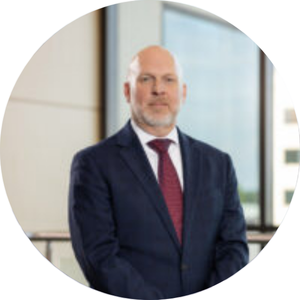
Welcome in to Retire Smart Maryland Radio. Your host, Prashant Sabapathi. He’s joined with by John DeFeo, brand new to the Office of Elite Income Advisors. We’ll tell you more about John here in just a second. Want to remind you that Prashant is a fiduciary advisor, independent fiduciary, and he has a couple of books already to his credit: fiscal health, retirement, wealth, and retire abundantly. They are headquartered in Ellicott City. They have a satellite office in Annapolis. And folks, it’s all about getting you ready for your retirement. Check us out online: Elite Income advisors.com It’s a great resource website. So, Prashant, before we dive in on the latest from Goldman Sachs, we have a newbie on the program, and we welcome in John. But tell us a little bit more about that association. Looking forward to
Speaker 1 1:14
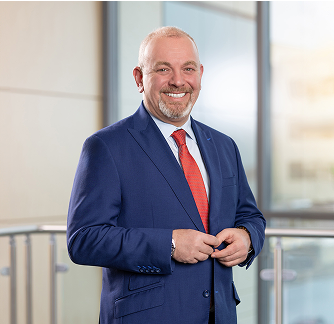
it. Yeah, it’s something I’m really looking forward to. You know, you say he’s a newbie to the firm, but this guy’s not a newbie to the industry, so he’s a certified financial planner. We were super excited to bring him on board. I think he’s going to add a lot of value, not just to the existing clients that we have, but I’ll tell you what. 2024 was a year that we saw our firm grow pretty significantly, and I think that was because there’s a tremendous demand for the type of planning that we have been providing to clients, and so what we want to do is we wanted to bring in as many talented advisors as possible to not just take care of our existing clients but also take care of the new ones that we continue to serve each and every day. So I wanted to spend a couple minutes just introducing John DeFeo, certified financial planner, John, can you tell us a little bit about kind of how you came up in the industry and what drew you to kind of join forces with us here at EIA?
Speaker 4 2:10
Yeah, absolutely, thanks so much, Prashant. And yeah, I mean, I got into the industry really because I wanted to help people. I grew up with a single mom working a couple jobs to keep things running in the household, you know. I watched us struggle. I saw a lot of other families struggle in a blue-collar community, and I wanted to first and foremost make sure that I was educated financially for my own self and my family, but I could also help other people with the same type of thing, right? So that’s really what got me interested, you know. I got to college and fell in love with finance. I’ve always been a planner, so combining those two things was, I guess, a destiny for me. You know, in terms of finding elite income advisors, you know, I was really impressed with the amount of educational content that we’re able to put out. You know, the ability to help clients and, you know, people get ready for retirement, that ultimately is one of the biggest steps that people make, aside from having kids and those things, so you know it was important to me to be able to access that and help out here, so that what got me here.
Speaker 3 3:10
What about what about Prashant’s golf prowess? Was that a big determining factor?
Speaker 4 3:15
It was actually. Yeah, I’m working on my golf game, and I heard he’s pretty good, so yeah, that drew me in.
Speaker 3 3:22
Well, I tell you, welcome aboard John DeFeo, brand new to Elite Income Advisors, and as Prashant said, not brand new to the industry, but a welcomed addition to Elite Income Advisors. So, let’s get into this. Goldman Sachs five concerns from Goldman that retirees need to know as we start this new year, and also not only know, but how do you respond to these? And Prashant, we’ll start with you. The financial vortex, yeah,
Speaker 1 3:49
Goldman calls this the financial vortex, and what that means to me is really worrying about the day to day money concerns that we all have to deal with on a month to month, day to day basis, right? It’s the bills, it’s the family obligations, it’s caregiving, which I know that I’ve shared my experience with my mom and her dementia diagnosis eight years ago. So, we’ve been through the caregiving side of that, and I think what comes to mind for me is we sometimes get so caught up in the present that we forget to plan for the future makes it really difficult to keep our eye on the prize, so to speak, long term when we’re dealing with so much in the short term, and so you know, I think that we have seen some easing in the in the vortex, you’ve seen inflation go down a little bit here recently, but it’s still higher than it’s been in some time, and it makes long-term planning a challenge. So, I figured, you know, one thing we could talk about is we know that this financial vortex exists, and that it’s an issue that people have concern over. John, why don’t you talk a little bit about how pre-retirees and retirees should respond to dealing with. Getting caught up in the day to day a little bit,
Speaker 4 5:02
yeah. Absolutely, I mean, this might sound silly, but planning, I mean, it really just comes down to establishing a plan as early as possible, you know. Establishing a budget with your fixed and variable expenses is extremely important to be able to see where your money’s going now and help to be able to predict that down the road in retirement, you know, especially when you have kids and you’re working and you have all of these things going on, you have to be cognizant of where your money is actually coming in and going out to. So, I think that creating that initial financial plan and budget is probably the first step that you want to take to try and alleviate some of that and figure out where you’re at.
Speaker 3 5:36
I mean, Goldman Sachs has the five concerns, and we’ve also got, you know, five things you can do to respond to these concerns. First up was financial vortex. Next up, Prashant, working longer isn’t always the answer. A lot of people feel like I’m just going to lean in, work a little bit longer,
Speaker 1 5:51
you know. I always thought this was kind of interesting, because half of the workers surveyed by Goldman retired, believe it or not, earlier than they planned, but it wasn’t always because of just wanting to retire early, it was because of unforeseen things, things that are outside of their control, and so you know it’s one thing to say, yeah, I’m just going to work longer, but you can’t always count on that being the trajectory that’s going to become reality, relying on extra work years that can backfire, because if you have an unforeseen health event, or your job lays you off, or family issues arise, it’s something to think about. So, in fact, it’s not about working longer, John. We talk about this idea of you actually have to set your financial plan up to prepare for retiring earlier for circumstances that may be outside of your control.
Speaker 4 6:44
Absolutely, I mean, I think that’s that’s absolutely imperative, right? You know, making sure that you know you have that plan, so it
Speaker 1 6:53
comes down to contributions too, right? Like, in order to have your plan set up properly, it’s it’s all about increasing your contributions in order to retire sooner than you might have expected. Aim for putting away 15% of your income. There’s a heck of a lot of research out there that suggests that putting away 15% of your income into things like your 401 k, your IRA, your thrift savings plan, if you’re well with the federal government, those are the types of things that can help you build a bigger cushion as you head to retirement. And look, it’s all about the income. The higher your income is, the better the outcome is. Morgan, I know that we got to get to a break here. Is it cool if we talk more about these concerns in the next segment? I think this is a good topic for us. No,
Speaker 3 7:40
absolutely. Five concerns were through two of them, not only the concerns, but how you respond to these concerns. Absolutely, but let’s open up the phones.
Speaker 1 7:48
Yeah, let’s open up the phone lines, folks. A phone number: 800-653-8404 That’s 800-653-8404 When you dial that phone number, you’re going to be connected with one of our team of operators. They’re standing by, and they’re going to be ready to book you into one of the appointment time slots that we have now. When you come in to visit with us at Elite Income Advisors, it is a totally free of cost appointment. You’re going to come in and visit. We’re going to go through a series of planning reports with you. We’ll help create an income for life plan. Income plan is going to map out your income each and every year for the rest of your life. We’ll help you put together that spending plan that John talked about, which is critical to your financial planning. We’ll do a risk analysis for you, show you how much risk you’re taking, and we’ll even do a social security and tax optimization report as well. Folks, all of those things are free of cost. When you come in to visit with us at Elite Income Advisors, you are not agreeing to become a client. There’s no obligation. All you’re doing is getting exactly what you need to put yourself in the best financial position as you head for this next phase of life. Phone number again: 800-653-8404 Call now. When we return on Retire Smart Maryland Radio, we’ll continue with Goldman Sachs, they know money, and they’ve got five concerns, and how to respond to those concerns. We’ve got two down, three to go. It’s all coming up next on Retire Smart Maryland Radio.
Speaker 3 9:21
We are back on Retire Smart Maryland Radio. Your host is Prashant Sabapathi. You can find him at Elite Income Advisors, headquartered in Ellicott City, Satellite Office in Annapolis. And it’s always about giving you opportunities to sit down and talk about your retirement. He’s an independent fiduciary, he’s a published author, physical health, retirement, wealth, and retire abundantly, and folks, it’s all about just getting ready, being ready for what is coming for all of us, and that is retirement. Joining us on the program today is John DeFeo, fellow elite income advisors advisor, and again, it’s all about getting you ready for your retirement. We started off the show talk. About Goldman Sachs, they know a lot about money, and they’ve got five concerns when it comes to retirees, and not only the concerns, but how you’re going to respond to the concerns. So, we’ve already talked about today the financial vortex, and responding to that, working longer isn’t always the answer. We talked about the what-if scenarios, because a lot of that, a lot of times it’s going to hit you right in the face. We’re going to start with John on this one. The next one is a planning mentality. It makes a huge difference just having the right mindset. John,
Speaker 4 10:31
absolutely. I mean, what we’ve found are clients that have a clear plan formulated early on, including savings goals, retirement goals, things like that, they feel much more confident and less stressed about, you know, what’s what’s ahead of them, right? Your retirement plan is not a dynamic one-off plan, it’s a fluid moving plan that has to be updated and adjusted on a regular basis, right. So, Prashant, what are some ways that we’ve seen clients adjust and kind of build that plan as things happen down the road,
Speaker 1 11:02
so this should be a surprise to no one, that having a customizable, unique plan that suits your specific needs is going to be better than using a cookie cutter approach, right? That should not be a surprise to anybody, and so oftentimes what we see, though, is we see people getting advice from their best friends and their golf buddies and their coworkers, which may not be actually the best suited advice for them, so I think the planning mentality makes a difference if you have a personalized plan that’s mapping out your income, identifying what your target income needs to look like understanding how to optimize social security, understanding how to coordinate your income with your investments, that typically is going to work better for you than just using a canned approach, and so it’s all about personalization. And then John hit the nail on the head here for me, it’s about doing continual maintenance on these things, right, like Morgan, John, like if you were to go buy like $100,000 Mercedes or something like that, how ridiculous would you feel if I told you, “Hey, I’m gonna sell you this car, and by the way, you never after, you’re never ever gonna do maintenance on it. Would you ever think that that would be the right way to handle $100,000 car purchase?
Speaker 3 12:17
Absolutely not. No,
Speaker 1 12:19
but we see people all the time who are dealing with millions of dollars when they get to retirement, they set up a plan five years ago, 10 years ago, and they never revisited it. Well, what’s changed with the market? What’s changed with interest rates and inflation? You have to be doing maintenance on your financial plan. If you are not doing that, or if your advisor is not helping you do that, then somebody is missing the mark here, and you could be suffering as a result. So, we got to get out in front of this, and we got to get our priorities in line with doing the appropriate maintenance.
Speaker 3 12:51
Retire Smart Maryland Radio again. Prashant Sabapathi and John DeFeo joining us. Elite Income Advisors, where you can find them. Check out the website, Elite Income advisors.com their links to the TV show, radio shows in podcast form. There’s great information there, great resource for you. Again, Elite Income advisors.com We’re hitting again Goldman Sachs, concerns from Goldman, just about, you know, things that retirees need to know, but not only need to know them, if it’s going on, you need to be able to respond to those, so the financial vortex working longer isn’t always the answer, or a planning mentality. It makes a huge difference. And John, the last one we’re going to have time for in this portion is importance of employer resources and personalization. If you’re at a company and they have assets, or they have vehicles you can use, man, get in there and use it,
Speaker 4 13:43
absolutely, especially if those employers are offering some sort of a match or incentive to save into that plan. It’s imperative to do so, but even outside those plans, it’s important to have resources and your own investments for more flexibility and personalization, right? Things like personal retirement account, brokerage account, things like that, where you have a little bit more flexibility to do what you want. Some folks aren’t familiar that within your employer plans, you’re kind of limited to the investment options that they allow for, where if you have your own personal savings outside of that, not only does it allow you to save more than the limits that the IRS allows, but you also have more investment options. Prashant, anything you wanted to add on to that?
Speaker 1 14:21
Yeah, there is one thing, and that is, you know, you brought up a good point by being relegated to the options that your employer offers you. We were, I was doing a 401 k analysis for a client the other day, he brought in his 401 k statement, he had about $800,000 in the 401 k, and when we did an analysis of all of the different investment options in that 401 k a lot of the ones that his money was what was in had what’s called an internal expense ratio that was about point 8% per year and so that’s if you look at point 8% against 800,000 In that, $6,400 in internal fees that he was paying passively to the fund managers within the accounts. Now, look, I’m not opposed to paying fees, I just want to make sure that if I’m paying the fees, that I’m getting my money worth, money’s worth. All that being said, these were the only options that he had, so even if he wanted to go into a lower fee option. It wasn’t even available to him. So, what we were able to help him do is roll some of that money over into an IRA, and now with an IRA, he gets total investment flexibility, like John was talking about. We actually set him up with a plan that has no fees, that was totally safe, and then we put part of his money in the market where he still gets to participate, but he gets to do it at a lower cost. So, there’s a lot of cool things you can do just by knowing what you have access to. But I think a lot of advisors don’t talk enough about this with their clients. That’s what it’s all about.
Speaker 3 15:53
I mean, there’s so much to take in here, and there are a lot of you out there that have done a really amazing job. You know, you’re working life, you’re saving, you’re putting money away, but you don’t have a plan yet. You’ve got all the portfolio, you’ve got the vehicles that are working for you, but how is it all going to be put together for you in a plan? The opportunity to get on the calendar with Prashant and his team at Elite Income Advisors is ongoing during the course of this show. All you got to do is call 800-653-8404 that’s 800-653-8404 These are no obligation. You’re not agreeing to become a client. They’re not agreeing to take you as a client. This is an opportunity for you to test drive. Elite Income Advisors, take that opportunity right now. 800-653-8404 So, let’s transition. We’re going to go from Goldman Sachs and the concerns and how you respond to those concerns just to some really, really good quotes when it comes to money, retirement, the economy, the market, and we’re going to get some, some takes from both John and Prashant today here on the program, and the first one, and I love this one, because this is one of your favorite books, one of your favorite authors, Prashant, and that’s Robert Kiyosaki. And here’s the quote: it’s not about how much money you make, but it’s how much money you keep.
Speaker 1 17:12
Yeah, Robert Kiyosaki is really interesting guy. I’m sure some of our audience has read the book, Rich Dad Poor Dad, and he was the author of that one, and his book talks all about mindset and financial education, having assets versus liabilities, and the importance of financial freedom. So, really interesting there, but I love this quote, because it’s absolutely true. In my opinion, it’s not about how much you make, but it’s about how much you keep, and so I have this conversation a lot of times after we see the stock market go up significantly, right? You see the markets go up and people want to double down and take more risk after they’ve made so much growth, because they’re riding that high of the market going up. To me, it’s about protection. When you get to retirement, it’s not necessarily about how much money you have, but it’s more so about how much income that money can generate for you, and the only way you’re going to generate income from your investments is if you can protect a lot of the gains that you’ve accumulated over time. So, there’s a lot of different ways to look at it, but that’s what resonates to me. It’s not about how much you make, but more so how much you keep of what you make,
Speaker 3 18:21
retire Smart Maryland radio, hitting some very well-known quotes, and how it pertains to retirement and retirement planning. So, Robert Kiyosaki was first Rich Dad Poor Dad author, and again, it’s about how much it’s not about how much money you make, it’s about how much money you keep. And now, here’s the next quote, and John, we’ll get your thoughts on this one. This is from George Foreman. The question isn’t at what age I want to retire, it’s at what income.
Speaker 4 18:48
Big George, love him. Yeah, I mean, it’s a great point, right? One of the things that we really drill down on with our clients is establishing what we call a monthly income target, or retirement income target, and what this does is it helps determine what you’re actually going to need on a monthly basis to live the lifestyle that you’d like to have in retirement. So, think of things like what your fixed expenses would be, in terms of maybe a mortgage or your utilities, things like that, that are always going to be there, as well as some one-off expenses, you know, if you want to travel in retirement, you want to spoil the grandkids, maybe you know, have some money aside for emergencies that come up, you know, give yourself some wiggle room within that plan, but at the end of the day, I mean, whether you can retire at 45 5060, or 70, it comes down to ensuring you have enough money to meet that target that you’ve set up,
Speaker 1 19:38
so very important again to just stay on top of it, have a plan. We’re going to give you that opportunity to get on the counter with Prashant and his team at Elite Income Advisors, which now includes John DeFeo. One more quote we’ve got time for, we’ll hit it really quickly. Prashant, this is from Brian Tracy: Financial security and independence are like a three-legged stool resting on the savings insurer. And investments, and this is where it comes back to having a comprehensive and coordinated plan in place, right? If your advisor has only focused on investments or only focused on insurance, I think that it’s not comprehensive enough. I mean, retirement is not like it used to be 20 or 30 years ago, you didn’t own, like, 20 or 30 years ago, you only had to worry about the personal savings, right? Because you had a pension that gave you income, you had social security from the federal government, that was all great, and you only had to worry about 1/3 of the retirement pie. But now it’s so different, with the lack of pensions, people are saving more money, it’s created more millionaires, but now it’s on you. It’s on you to figure out how to make that money last the rest of your life. It’s on you to figure out how to pay the least amount in taxes possible. How you collect social security is a bigger, more consequential part of the equation, like it’s a lot more complicated. And so that’s why having a comprehensive and coordinated plan that includes tax planning and legacy planning is so critical, folks. If you have not gone through that comprehensive planning process, you need to pick up the phone and give us a call. It’s 800-653-8404 Maybe it’s your New Year’s resolution to pick up the phone and get your financial plan in place, that’s 800-653-8404 When you come in to visit with us, come visit with us at our headquarters in Ellicott City. We have an auxiliary office as well, beautiful office in Annapolis, Maryland, as well. Or you can book a Zoom call, virtual call. And when you meet with us, that first visit is going to be a get to know you session. You’re going to get to know us, we’re going to get to know you, and we’re going to share with you some ideas on how we’ve been able to help several 100 people retire successfully over the years. We’re going to put together that series of reports for you, a complimentary income plan, help you map out your income for the rest of your life, understand where your paycheck is going to come from after taxes and inflation are considered. We’ll look at your portfolio, understand how much risk you’re taking. We’ll even help you optimize social security and talk about how to potentially pay the least amount of taxes on your retirement accounts through the course of your retirement. It all starts with that phone call, folks, 800-653-8404
Speaker 3 22:16
When we return on Retire Smart Maryland Radio, we talk red, white, and blue, the American values and how they shape the way we save for retirement. It’s all coming up next. It’s the American Dream. Retire Spark Maryland Radio, hosted by Prashant Sabapathi, Elite Income Advisors. Where you can find him, great resource website, Elite Income advisors.com He’s an independent fiduciary, and again, it’s all about getting you ready for your retirement. Joining us on the program, John DeFeo, also with Elite Income Advisors, and it’s all about again just having that roadmap, getting you there again, we talk about Retire Smart Maryland Radio, and it’s all in the title. You want to retire smart, you need to have a plan. So, big question, How do core American values shape the way we plan for retirement? Huh? So, we’re going to talk about that. We’re very self-reliant. Values like that, you know, they play a huge role in how we approach pretty much everything, saving, investing, ultimately enjoying our what is going to be our retirement. That’s why we’re going to dive into some core values that really drive retirement planning here in the United States, and we’re going to explore how you can align your financial future with these ideals and make sure you secure that retirement that you’ve always dreamed of. So, the first one, Prashant, given that Fidelity reports Americans need roughly, are you ready, 10 times their salaries saved by retirement age to maintain independence. So, how does the American value of self-reliance shape retirement planning?
Speaker 1 23:56
I think this works in two different ways. It’s number one, self-reliance, which we know is a foundational kind of American principle that that emphasizes personal responsibility and independence, and by the way, you know I’m first generation in America, my parents came over to this country as immigrants from India in pursuit of the American dream for this self-reliance, and so I grew up with this as a part of our values growing up, and what I think is that this mindset drives many Americans to build their retirement savings through things like 401 ks, IRAs, other investments to make sure that they’re not financially dependent on others in their later years, but when we were doing our prep for the show, this is one thing that I thought about. Self-reliance, in a way, has been forced onto the modern-day American retiree. And why is that? It’s because pensions have gone away, right? You used to be reliant on your employer to give you that pension in exchange for 30 or 40 years of service. Them, and those pensions have gone away, which means the burden of responsibility now is on you. It’s on the pre-retiree or the retiree to save enough money to make sure that they will have the paycheck that they need to last the rest of your lifetime. So, I think self-reliance is a foundational American principle, but it has been foisted on the American retiree, and for better or for worse, we have to have a plan to figure out how we’re going to deal with
Speaker 3 25:25
it. I was going to say the question to our listeners, are you ready for that? It’s on your shoulders. You got to be able to plan for it, and just showing up at retirement store with your portfolio, that’s not a plan. Folks, lean in to elite income advisors, work with professionals, map this out, be proactive as opposed to reactive, have that confidence as you move towards your retirement date, and if you’re in retirement and you’re frustrated things aren’t going the way you thought they were going to go, get a second opinion, Prashant. It’s huge. Yeah, I just
Speaker 1 26:00
wanted to add, you said something that got me thinking. You said work with a professional, and folks, when you come in to visit with us, we might not even be the right professionals for you. So this is not about you coming in to visit saying I’m agreeing to work with Elite Income. You might come in to visit with us, and we might find that we’re not actually the best fit for you, in which case my team is going to tell you that we don’t think we’re the right fit, or you’re going to tell us that we’re not the right fit, but for a lot of people that do come in, we do find that we’re able to highlight some of the red flags that maybe your advisor or yourself have not thought about, and we find that we are good fit, and if that’s the case, we’ll work together, I’m sure, but coming in to visit with us, you are not obligated to do any business with us, it’s a very, like, kind of no-pressure approach to financial planning, which is why I think a lot of clients value the work that we do.
Speaker 3 26:49
Yeah, I mean, we say it every week: no obligation, no pressure, you’re not agreeing to become a client. It’s very, very true. It’s the ball is in your court, but it’s an opportunity for you to, you know, get an education on how you’re doing with your retirement planning, and then make a decision. Call the number, grab an appointment now: 800-653-8404 That’s 800-653-8404 That’ll secure one of the appointments for you. So, we talked about the Fidelity Report – 10 times the salary. Again, Americans feel like they’re going to need to be able to have that independence in retirement, so here’s the next set of numbers. John, we’ll get you to chime in on this. Considering that 71% of Americans view a comfortable retirement as a key part of the American dream, and that’s according to Gallup. How does this ideal shape retirement goals?
Speaker 4 27:38
Yeah, that’s a great question, and I mean, I think the first thing that you have to do is identify what a comfortable retirement looks like to that individual, right, because it’s going to be different to everybody. Some folks might have a very cheap retirement lifestyle, some people might want to do a lot of traveling, you know, maintain a more expensive lifestyle. So, you know, determining what that comfortable retirement looks like, I think is the first step. And then from there, you know, starting that plan as early as possible, I think, is imperative. You know, prioritizing your long-term goals, even when you’re in the middle of that financial vortex, you know, doing your best to drill down, you know, potentially pay yourself first. I don’t know if any of you guys have heard that term, but effectively it means, you know, taking some money out of your paychecks, putting it aside before it even hits your bank account, so it wasn’t like you were being paid in the first place, you know, you’re prioritizing yourself, so I would say that’s that’s certainly the thing to do, is start the planning as early as possible, prioritize the long-term goals, and that’ll ensure that your golden years are as prosperous and comfortable as what you’ve aimed for. Again,
Speaker 1 28:35
we’re hitting some numbers for you, the latest coming again 71% from Gallup poll American dream and comfortable retirement, that’s what people want. They want to plan for it, and that’s what you have to do. You have to sit down and you have to map this out. Got another set for you. Here’s the AARP finding that 42% of Americans, Prashant, want to retire early, but often face financial constraints. So, how does the value of freedom of autonomy impact retirement decisions. Look, I think personal freedom and autonomy are core American values, right? And that’s again why my parents came to this country to begin with. And I think when you get to retirement, here’s the thing I hear so often from clients, like they’ll sit down with me and they’ll say, Prashant, I just don’t want to be a burden on my children, you know. It’s so.. it’s.. it’s actually astonishing how many times we hear that, and what that screams to me is I want to be independent, I want to have a plan, I want to have enough money, I want to have enough paychecks and income to be able to determine the fate of my lifestyle independently. Okay, that’s how we retire when we retire, but what we find often is that financial constraints prevent people from retiring when they want to, whether it’s health events, long term care events, loss of job before we. Are expecting to retire, and that creates a gap between aspirations and reality. Okay, and so I think in order to retire on your own terms and maintain some of that autonomy, you need to take control of the finances early, just like what John was talking about, and that involves creating a comprehensive retirement plan, like, talk about taxes, talk about legacy, talk about health care. If you’re not talking about all these things outside of just investments, I think you have to do a reevaluation of where you stand today.
Speaker 3 30:31
So, important again, just to be ready. All right, we’ve got another set of numbers. Those will be the final one for this portion of the program. 70% of Americans, John, I’ll throw this one at you. They prioritize having a stable source of income in retirement over wealth accumulation. Again, this is according to Market Watch. Now, how do these numbers compare? And again, security and stability over accumulation.
Speaker 4 30:57
Yeah, and it, I guess, it really determines or depends on what stage of the saving process that you’re in for gains of retirement, right. So, if you’re very early on in the accumulation process, you’re younger, you could probably take more risk in your investments in your portfolio than someone that is maybe five years from retirement or a year from retirement. So, if you’re looking for security and stability, you’re not going to be looking at investing directly into the stock market with all of your assets, you’re going to look at more fixed things like bonds, treasuries, you know, bank products, things like that. So, more safe securities to maintain that stability, right? You know, when you’re looking at the more risk assets, those are more what we look at as what’s called an inflation head. What we typically tell people is, is diversification is your best friend, right? You want to set up a portion of your, your assets to generate income that does not have the ability to go out or run out, and you also want to percentage of your portfolio to be invested and grow to try and outpace inflation, right? So, I think diversification within your assets is imperative to making sure that plan works out for you.
Speaker 1 32:03
That’s exactly right. It’s all about the security of your income when you get to retirement. We hear this term ROI all the time, and ROI to a lot of people means return on investment. In our office, we talk about ROI as reliability of income, it’s so important to have that paycheck in retirement. Folks, if you don’t know where your paycheck stands in retirement, pick up the phone, give us a call. It is 800-653-8404 It’s 800-653-8404 Set up that complimentary no obligation visit with our team of fiduciaries at Elite Income. We’ll help you put that plan together and figure out whether or not our team is the right fit for you and your family as you head to the retirement that you deserve.
Speaker 3 32:49
Again, that phone number: 800-653-8404 Call now, grab one of those complimentary appointments. When we return on Retire Smart Maryland Radio, it’s time for scenarios. I’ll throw them at the fellas, see what they come up with. Retire Smart Maryland Radio, hosted by Prashant Sabapathi and John DeFeo, elite income advisors. Where you can find them. Again, they’re headquartered in Ellicott City. Satellite office available for you in Annapolis for your convenience. Check us out online, Elite Income advisors.com It’s a wonderful resource website, and it’s easy to remember, rolls off the tongue. Elite Income advisors.com links to the TV show, and also radio shows in podcast form, but great information there. Prashants, an independent fiduciary. I’m Morgan Patrick. I get to hang out and talk retirement with the fellows each and every week. And now we’re at a portion of the show where we go over scenarios, and I want to throw this out right now. You may hear a scenario that’s similar to what you’re going through, but it’s not exactly what you’re going through. You need to have a customized plan, and we will give you an opportunity at a complimentary appointment with Elite Income Advisors coming up shortly. So, take advantage, but let’s get into the scenarios. Prashant, we’ll start with actually, let’s start with John on this one. Here it is. A coworker recently used the phrase mega backdoor Roth IRA. I just like saying mega, so Mega Backdoor Roth IRA, and I pretended to understand, but in reality I was completely confused. Lost is for the lack of a better word. I’ve heard again, I’ve heard the term, but I didn’t understand it. So, Mega Backdoor Roth IRA, is this even a real thing?
Speaker 4 34:40
Yeah, it’s, it’s an interesting name for it, so it’s not a very common occurrence, but it typically is going to be something that’s done from your employer-sponsored plan, such as a 401 k or 403 b. So, most of you are probably familiar with the traditional type of contributions you have to a 401 k that are pretax, right? You’re putting that money in, it’s being. Deferred from your income currently, and when you take it out down the road, you’re taxed on it, right. There’s also Roth contributions, which are tax dollars that you put in that you don’t get to deduct in that year, but the earnings all grow tax deferred down the road, right. Well, there’s also what’s called an after-tax contribution source, and with that after-tax contribution force, you can take those dollars and actually move them out of your Roth, excuse me, out of your 401 k plan into a Roth IRA, right? And you’re allowed to do this at a much higher dollar figure than the annual limit for normal backdoor Roth IRA conversion. So it’s something that, again, it’s only going to be applicable to someone that has a 401 k plan and has after-tax dollars, and if this is something that you have a question about, even you’re not quite certain, give us a call, we can take a look at your statement and determine whether or not that’s something that might make sense for you.
Speaker 1 35:48
This is the type of thing you know, just listening to John talk about it, because in our prep, a little bit, I was, I was looking at this, thinking, man, I don’t even see this that much, and we see like 1000s of people every year, and John was telling me a little bit about how he’s dealt with this type of thing in the past, and I was like, man, this sounds confusing. If you’re gonna go through with something like this, you need to make sure that you’re doing this the right way, and so you know that’s why, like, having a certified financial planner on on the team is like a really good thing for us. That’s one thing we were looking for, bringing John on. You got to do this right. You don’t want to get on the wrong side of the IRS with these types of things.
Speaker 3 36:25
Now, I’m not going to call John a tool, but I kind of am. He’s like that tool in the toolbox, right? Again, CFP, a great tool to have. Again, you can grab an appointment, they’re complimentary. Call at any time: 800-653-8404 806 106 538404 All right, John, we got another one for you. 50 years old, makes 65,000 a year. Company doesn’t offer 401 k. Recently opened a Roth IRA with a contribution of 10% of the paycheck. Is this a good investment for this person? How much can they expect to make, say, in 10 years when they are planning to retire?
Speaker 4 37:06
I’ll be honest with you, I really couldn’t tell you if it’s a good investment for you out the gate without a little bit more information, right. Personally, I love Roth IRAs, I love the aspect of putting money in and it growing tax free over your lifetime, right. What that could actually get to is really up to the underlying investments, right. Your, your IRA, your Roth IRA, is simply a shelter for the dollars, and what you invest in within that shelter is what drives the returns, right. So, we had a client that came in recently, working with another advisor, and they were, you know, a bit unhappy because they had done the right things, they went in, they made Roth contributions, but they noticed that there was no investments in the account, right? So they had all this money that was, you know, put into the Roth IRA that had the benefit of growing tax free, but it wasn’t invested, so there was zero return, and that was a pretty big problem point for the client, and that’s what, you know, got them in the door to begin with, right, so you know to guess, answer that question. It would probably be a decision that we would want to talk through more, you know, just seeing what other options there are, because you know, if you don’t have a 401 k plan, then you could look at a traditional IRA and deduct some of that money from your income taxes, but again, it all comes down to when you plan to retire, what income will look like. There’s a lot of things that we need to look at before we can make a recommendation like that.
Speaker 3 38:23
I mean, we talk about it all the time. Everybody’s puzzle is different. Your situation is unique to you. You’ve got options, but you don’t know what they are until you start the planning process again. The opportunity to get on the calendar with elite income advisors is right now. During the course of this show, call this number: 800-653-8404 Complimentary appointment that RetireSmart roadmap put together for you: 800-653-8404 And you’re not agreeing to become a client. This is an opportunity for you to kind of test drive elite income advisors. All right. Well, let’s go to this scenario. Prashant, we’ll start with this one with you, what’s a good rule of thumb to use when it comes to budgeting for long term care insurance?
Speaker 1 39:07
Look, I think everyone’s got a different perspective on this. Having lived through a long term care event with my mom, you know, for eight years, she was diagnosed with dementia. She was diagnosed at 5758 years old, she passed away in March of 2024 She was, you know, 65 just about to turn 66 and by the time we got to the end of her caregiving situation, our family was outputting anywhere from 10 to sometimes $15,000 in any given month just to pay for mom’s care. Now we made that decision to take care of her at home. She never went to a nursing home or an assisted living, but when it comes to how do we fund that 10 or 15,000 long term care insurance is one avenue. It’s not the only way to do it, but it’s certainly one way to do it, and a rule of thumb that. I’ve used that have has been quite successful in the past is to look at the part of your portfolio that is non income generating, right? So maybe you have an annuity for a couple 100,000 that’s actually generating income for you. I’m not talking about that money, I’m talking about all the money that you have in the stock market that’s going up and down. One thing that we’ve looked at, I just did this with a client, had about a million dollars in the market, and they were worried about long-term care. We allocated 1% of that million dollars on an annual basis to help fund their long-term care needs, right. So, what we did is, on that million dollars, we took about $10,000 and allocated it towards a long-term care policy that’s going to help give them about 7500 to $8,000 a month in the event that one of them gets sick and goes into a nursing home or an assisted living, and so when we keep it to those levels, 1% of your portfolio on an annual basis. The hope is that your portfolio continues to grow, and that we’re still able to support those premiums. Now, that 1% it’s just a rule of thumb. It’s my rule of thumb. It’s worked pretty well over the years, but it’s not investment advice, it’s not insurance advice. So, you have to have a customizable plan. In fact, what we find, Morgan, a lot of cases people come in and they think they need long-term care insurance, and we do an analysis, and we find that they’re actually really okay. They don’t actually need insurance to protect them. And so, who knows what situation you’re in? You’ll really only know when you put that comprehensive plan together, and really dive in and figure out where you stand. Yeah,
Speaker 3 41:38
I mean, so many ways to get there, so many different options, and it’s all going to be different for everybody that comes in. So, having a customized plan, it gives you that peace of mind, that confidence as you move towards your retirement date. And if you’re already in retirement, man, get a second opinion. All right, we have one more scenario. Let’s hit this one. Prashant, you can start off 65 going to retire in June of this year, have about 150,000 in the Roth IRA, 450,000 in the 401 K. Does it matter which one I start taking money from first, or should I just take some from each?
Speaker 1 42:13
Let me, let me answer your question with a question. Okay, and we got, we got the three of us here. Let’s see if we can find some consensus here. I’ll start with John. John, 15 years from now, do you think income tax rates are going to be higher or lower than what they are today?
Speaker 4 42:30
Gonna say much higher,
Speaker 1 42:31
much higher. Okay, Morgan, are we in agreement?
Speaker 3 42:33
Yeah, my hands up. Hi, hi, hi. Okay, hi.
Speaker 1 42:36
Absolutely, and I’m in agreement. So we have consensus here that we all think that income tax rates are going to be higher 15 years from now. The benefit of the Roth IRA is that anything that that money grows to, as long as you’re over 59 and a half, as long as you’ve held that Roth for at least five years or more, anything that that $150,000 Roth IRA grows to becomes tax exempt in the future. Look, when the tax cuts and jobs passed, Tax Cuts and Jobs Act passed in the last Trump administration, the first Trump administration. What we found is that marginal income tax rates went down. Believe it or not, we were in the third most favorable marginal income tax code in American history. So the taxes that we are paying today are actually lower than his, than they have been historically, and so for me, what that means is I want to prioritize taking money out today from accounts that I’m going to have to pay full taxes on things like my 401 k, my IRA, my TSP, I want to pull from pretax accounts to pay the lowest tax rate possible, because 15 years in the future that same withdrawal might cost me a heck of a lot more money, and if I can just draw a line to the domino effect here, it’s that let’s say you needed $40,000 a year to fund your income, but now you have a million dollars all in pretax accounts, great, you’re taking $40,000 a year, but what happens if the tax rate goes up 10% Taking that 40,000 is not going to net you 40,000 it’s going to net you less. And in order to take out what you need, you have to grow the million dollars to a higher level, and in order to grow it, you got to take more risk, and if you have to, if you’re taking more risk, you’re subjected to bigger losses. It’s really a domino effect, folks. If you haven’t figured out how to properly bucket your money to put safe money and risk money together, this is part of the planning process that we take every single person that comes in to visit with us through. Starts with that phone call for you, it’s 800-653-8404 that’s 800-653-8404 If you call in, talk to our operators, have your calendar in front of you. They’re going to be ready to book that appointment with myself, with John, with Connor Wilson, with Ozzy, with Nick on our team. We have a great team of fiduciaries, you. Year, they’re going to be ready to take care of helping you plan for this next phase of your retirement. It is 800-653-8404 Another edition of Retire Smart, Maryland Radio is in the books for Prashant Sabapathi and John DeFeo. I’m Morgan Patrick. We’ll see on the radio next week, you annuity
Announcer 45:29
guarantees are subject to the claims paying ability of the issuing insurance company. If you withdraw money from or surrender your contract within a certain period of time after investing, the insurance company may assess the surrender charge. Withdrawals may be subject to tax penalties and income taxes. Persons selling annuities and other insurance products receive compensation for these transactions. Products are subject to fees and additional expenses. Any comments regarding safe and secure investments and guaranteed income streams for parole into fixed insurance products, they do not refer in any way to securities and investment advisory products. Information presented on this program is believed to be factual and up to date, but we do not guarantee its accuracy, and it should not be regarded as complete analysis of the subjects discussed. Discussion should not be construed as an offer to buy or sell, or a solicitation of an offer to buy or sell the investments mentioned. A professional advisor should be consulted before implementing any of the strategies discussed. Investments involve varying degrees of risk, and there can be no assurance that any specific investment or strategy will be suitable or profitable for a client’s portfolio. Elite Income Advisors Incorporated is registered as an investment advisor with the State of Maryland, and only transacts business in states where the firm is properly registered, or is excluded, or exempted from registration requirements. Registration as an investment advisor is not an endorsement of the firm by security regulators, and does not mean that the advisor has attained a particular level of skill or ability. You should always consult an attorney or tax professional regarding your specific legal or tax situation,